应该都是一样的吧 你说呢 是
“don't we? What do you think? Yes.”
THE DIALOGUE REEL
应该 都是一样的 吧 你说呢 是
“don't we? What do you think? Yes.”
行
“Fine.”
“We both love our daughter equally, so don't try to argue with me on this.”
Modern Chinese familial culture emphasizes deep emotional and financial dedication to only daughters, often framed around shared parental duty.
LEARNING CHUNKS & PARTICLES
it ought to be the same across the board
A gentle expression used to presume common ground or shared feelings without sounding dictatorial.
what do you say? / don't you think?
A tag question used colloquially to invite endorsement or pass the conversational turn smoothly.
Softens the assertion into a gentle supposition, inviting concurrence.
Forms a soft rhetorical question prompting the listener's perspective.
VOCABULARY & EXPRESSIONS
Parallel Spoken Cinema Scenes (语义近邻切片)
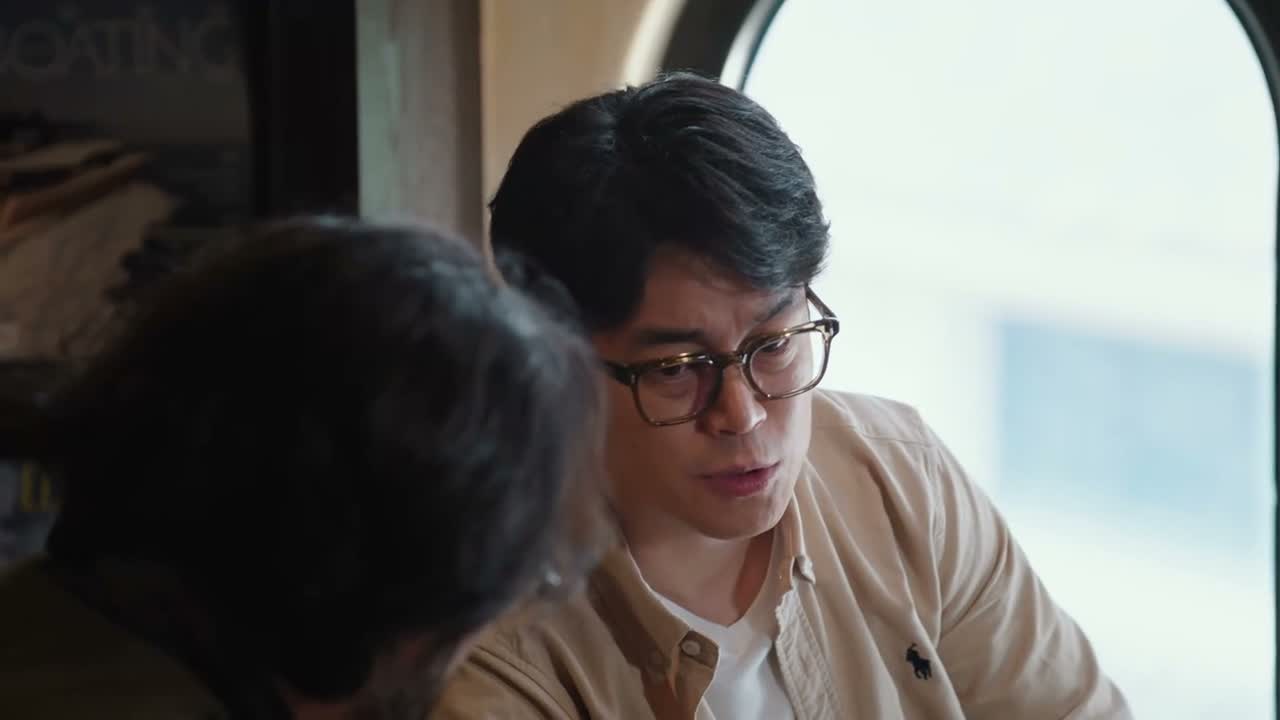
“No, but everything she said is exactly the same.”

“We all meet the same end.”
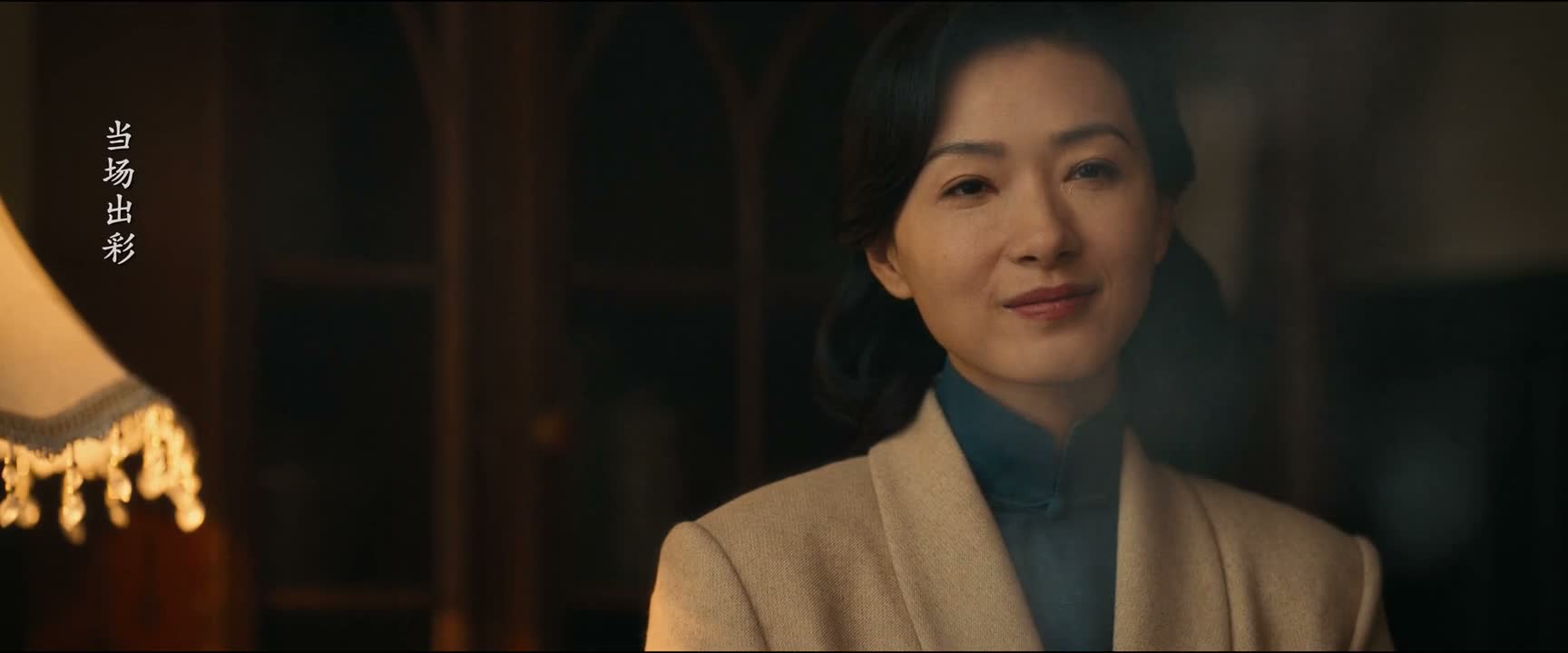
“as pretty as you?”

“How can it be the same?”

“Actually, you'd get tired of it over time.”

“but I think he's about that good.”