《The Heir》 S1·E26 (38:50)
HSK 4
gǎn wèn gè wèi zú lǎo
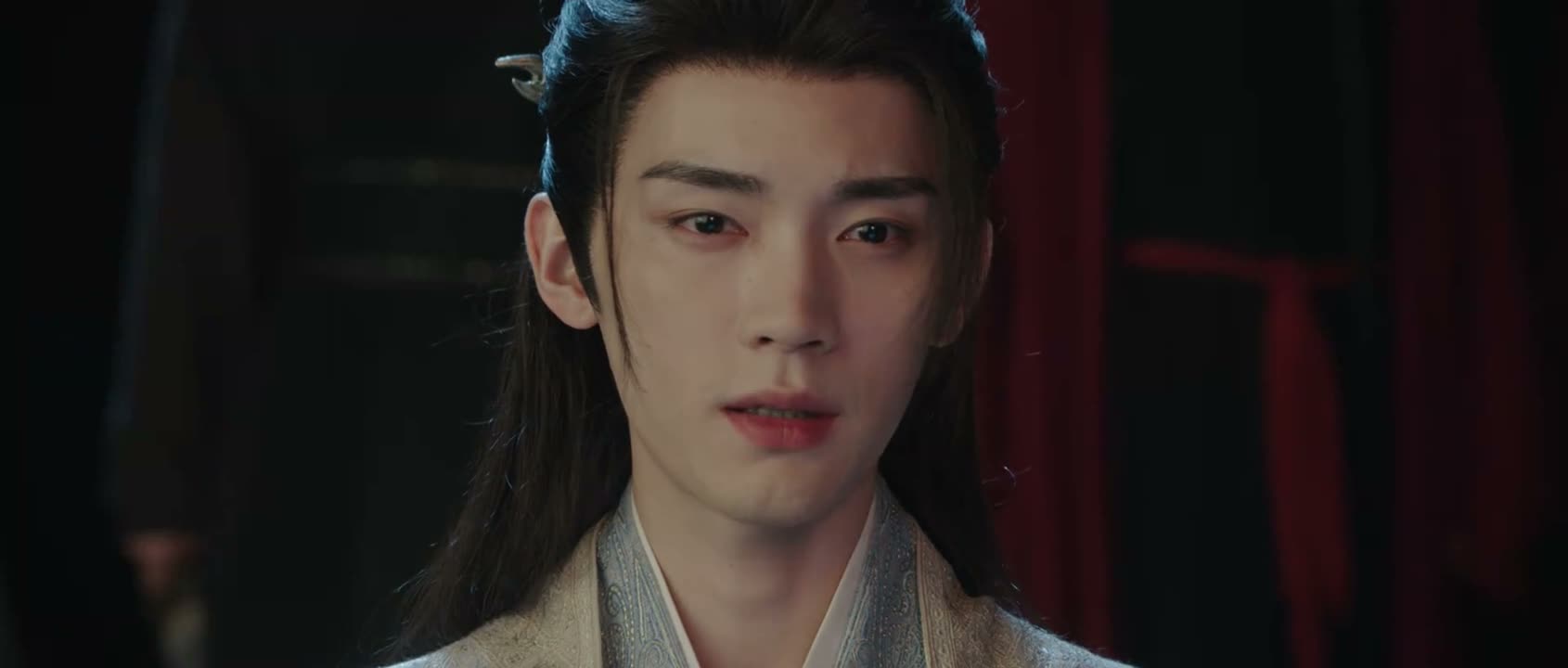
敢问各位族老
“May I ask you elders,”
《The Heir》
S1·E26
TIMECODE: 38:50
·
1080P MASTER AUDIO
THE DIALOGUE REEL
[-1] PREVIOUS TURN
nà nǐ men zhè xiē zú lǎo biàn shì bèi zhū yóu méng le xīn
“then you elders must be blinded!”
gǎn wèn gè wèi zú lǎo
CURRENT FOCUS
敢问 各位族老
“May I ask you elders,”
[+1] FOLLOW-UP TURN
wǒ bāng lǐ jiā fù yuán chū qī yān gǔ mò zhī shí
我帮李家复原出漆烟古墨之时
“when I helped the Li family recreate the ancient lacquer-soot ink”
Subtitles synced to millisecond timecode
Browse Show Clips →
Scene:
Historical & Court
Function:
CHALLENGING AUTHORITY
Tone:
ASSERTIVE
Emotion:
DEFIANCE
WHAT THEY REALLY MEAN (PRAGMATIC SUBTEXT)
“Listen up, elders: answer for yourselves before you dare judge me.”
💡 Cultural Insight: Clan Lineage Hierarchy (Zongfa System)
In traditional Chinese society, clan elders wielded immense moral and disciplinary authority; challenging them in public required immense courage and substantial evidence.
INTENT TAGS:
#confrontation
#challenge
#rhetorical_question
#defiance
🧩
2 CHUNKS · 0 PARTICLES
LEARNING CHUNKS & PARTICLES
敢问
SPOKEN CHUNK
may I venture to ask; dare I ask
An honorific inquiry phrase in formal or literary Chinese, often employed rhetorically before delivering a sharp challenge.
族老
SPOKEN CHUNK
clan elders
Used in historical or clan-based settings to refer collectively to senior authoritative family members.
🏮
1 EXPR · 0 GRAMMAR
VOCABULARY & EXPRESSIONS
COLLOQUIAL EXPRESSIONS:
CROSS-CINEMA CORPUS BOARD · PARALLEL SCENES
EXPLORE BY SEMANTIC SIMILARITY
Parallel Spoken Cinema Scenes (语义近邻切片)

《The Heir》 S1·E26 (38:50) · Authentic Cinema Dialogue Corpus