你出来弄我呀
“Come out and kill me!”
THE DIALOGUE REEL
你不是要弄死我吗
“Didn't you want to kill me?”
你出来 弄我呀
“Come out and kill me!”
划水
“Paddle.”
“You were all talk earlier; come out and face me if you actually have the guts.”
The colloquial verb '弄' serves as a catch-all word whose aggressive meaning shifts to 'beat up', 'kill', or 'ruin' depending on tense confrontation context.
LEARNING CHUNKS & PARTICLES
mess with me; hurt me; take me on
A colloquial and aggressive usage of the versatile verb '弄' indicating physical attack or retribution.
Softens the imperative into a mocking, sarcastic challenge, emphasizing the speaker's defiance.
VOCABULARY & EXPRESSIONS
Parallel Spoken Cinema Scenes (语义近邻切片)

“Why didn't you call me when you came out?”
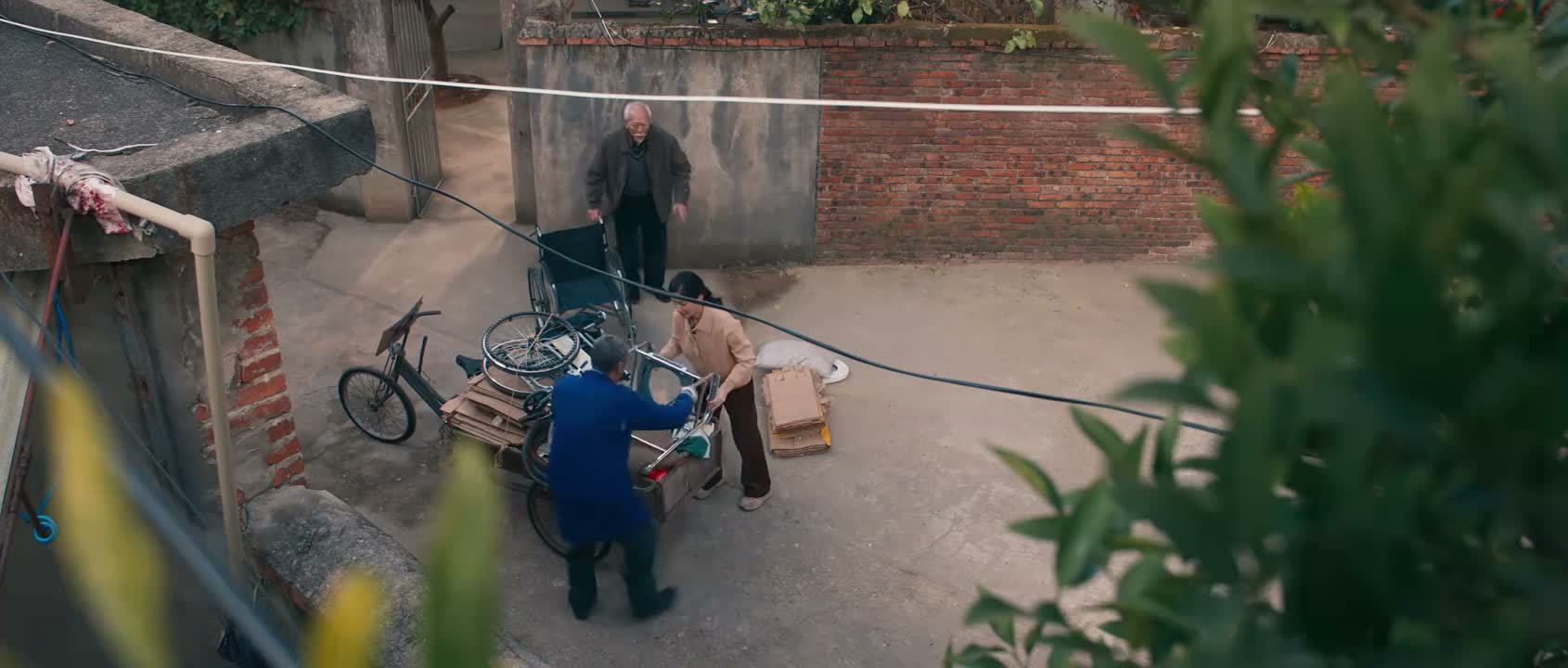
“I'll do it.”

“get them out. Why do you ask them out?”

“Come on, kill me.”

“Why are you here? Get out.”

“He Xiuguang, you shameless man, come out here if you have the guts.”