你就不能为我留下来吗
“Can't you stay for me?”
THE DIALOGUE REEL
我想回去了
“I want to go back.”
你 就不能 为我留下来 吗
“Can't you stay for me?”
留下来也没有意义啊 我根本没有能力把你照顾好
“There's no point in staying. I can't take care of you properly.”
“If you truly loved me, you would stay. Please don't leave me behind.”
Appealing to someone to act 'for my sake' (为我) tests whether the bond takes precedence over practical obstacles, a common romantic dilemma in modern Chinese urban life.
LEARNING CHUNKS & PARTICLES
can't you just / couldn't you possibly
Expresses an emotional appeal or exasperated plea asking someone to make an exception or effort.
for me / for my sake
Positions the requested action as an act of personal devotion or emotional priority.
to stay behind / to remain
Standard directional verb compound used when asking someone not to depart.
Converts the negative statement into a desperate yes-no plea, hoping against hope for a positive response.
VOCABULARY & EXPRESSIONS
Parallel Spoken Cinema Scenes (语义近邻切片)

“So I can't ask you to stay for me.”

“That way, you could stay.”

“Want me to stay with you?”
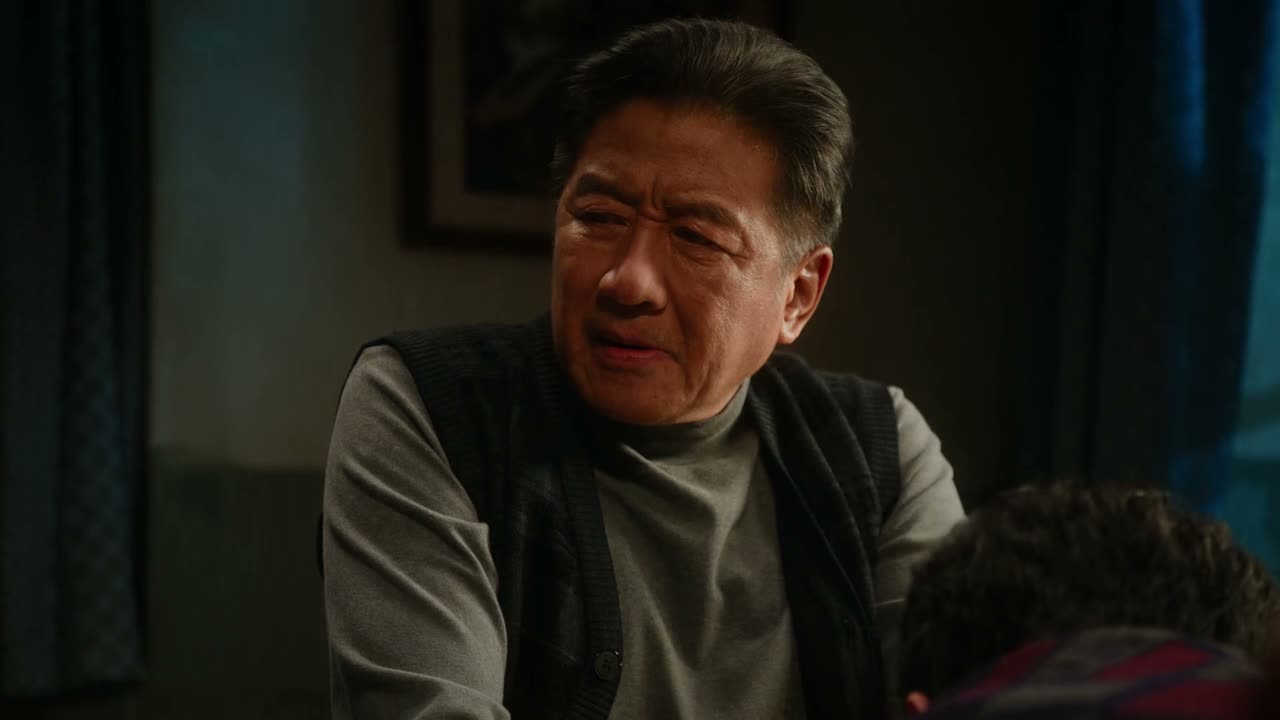
“or make you stay.”

“you're not the reason I stay.”

“I just wanted you to stay.”