不会出什么事了吧
“Could something have happened to him?”
THE DIALOGUE REEL
他一直不接啊
“but he isn't answering.”
不会出什么事 了吧
“Could something have happened to him?”
丹尼尔
“Daniel!”
Direct spoken expression in this communicative setting.
Chinese speakers often soften worst-case suppositions with rhetorical speculation ('不会...了吧') to manage tension while voicing worry.
LEARNING CHUNKS & PARTICLES
something happened; something went wrong
A common colloquial phrase used when inquiring or expressing fear about accidents, crises, or troubles.
Marks a newly emerging state or realization regarding potential misfortune.
Softens the speculative statement into an anxious, seeking-confirmation conjecture.
VOCABULARY & EXPRESSIONS
Parallel Spoken Cinema Scenes (语义近邻切片)

“might have had an accident?”

“Has something happened again?”
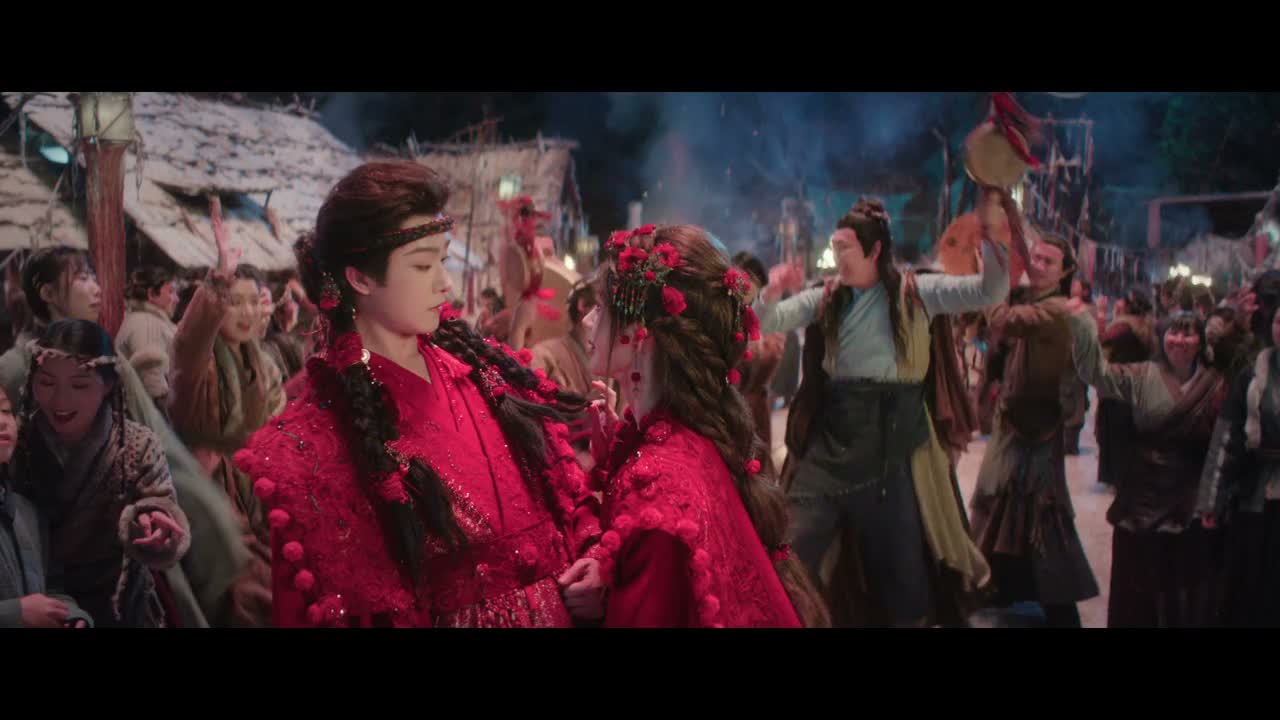
“Nothing unexpected will happen, right?”

“There won't be any problems, right?”

“Could something have happened to her?”