不会出什么事吧
“might have had an accident?”
THE DIALOGUE REEL
你说那个人
“Do you think that guy”
不会出什么事吧
“might have had an accident?”
他能出什么事啊
“What could happen to him?”
Direct spoken expression in this communicative setting.
Chinese speakers often frame ominous possibilities with softening structures like 'buhui... ba' to avoid sounding too superstitious or overly definitive about misfortune.
LEARNING CHUNKS & PARTICLES
to meet with an accident; to have something bad happen
A very common everyday expression to refer to mishaps, accidents, or sudden trouble.
surely it's not the case that...; could it be that...
Used as an apprehensive hedge to express fear that something undesirable might have occurred.
Solicits confirmation from the listener to soften anxiety and seek reassurance.
VOCABULARY & EXPRESSIONS
Parallel Spoken Cinema Scenes (语义近邻切片)

“Could something have happened to him?”

“This won't cause trouble, right? What trouble?”

“Nothing unexpected will happen, right?”
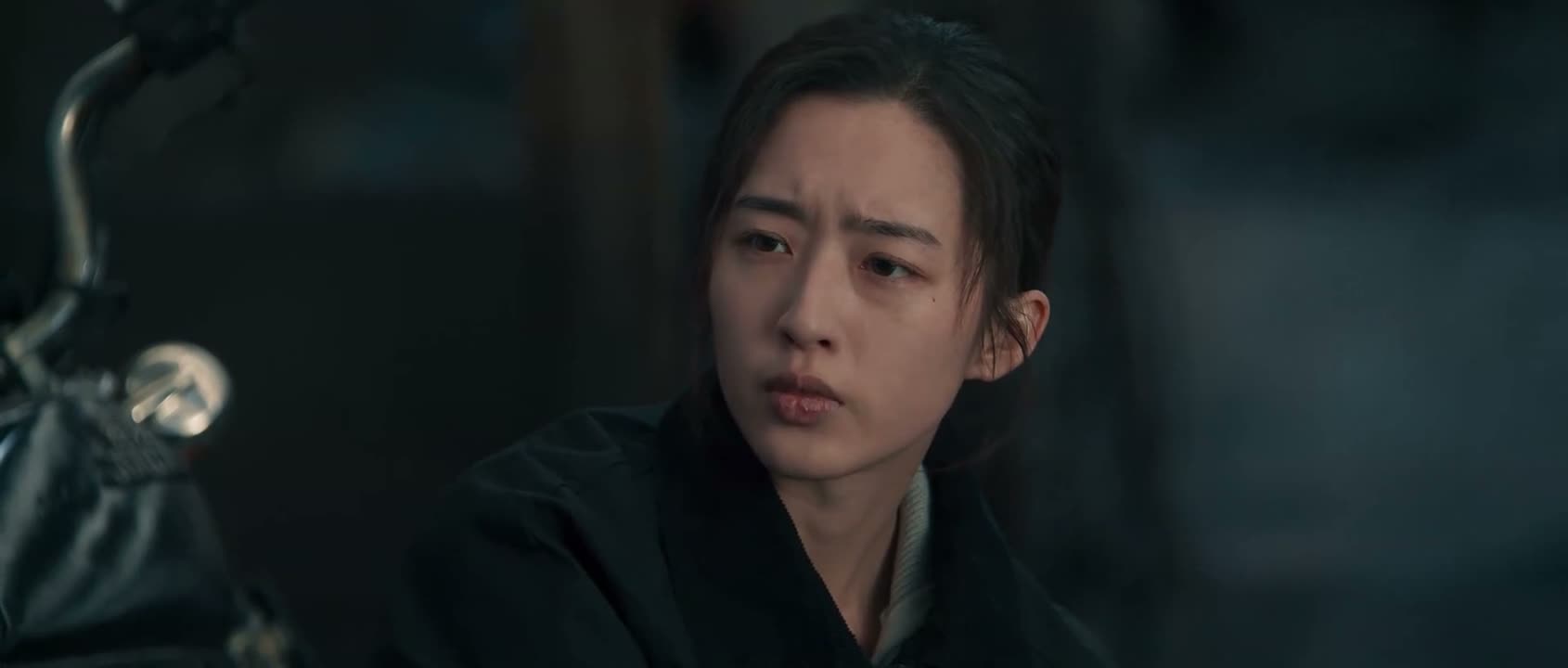
“There won't be any problems, right?”

“He couldn't be in serious trouble, could he?”

“Has something happened again?”
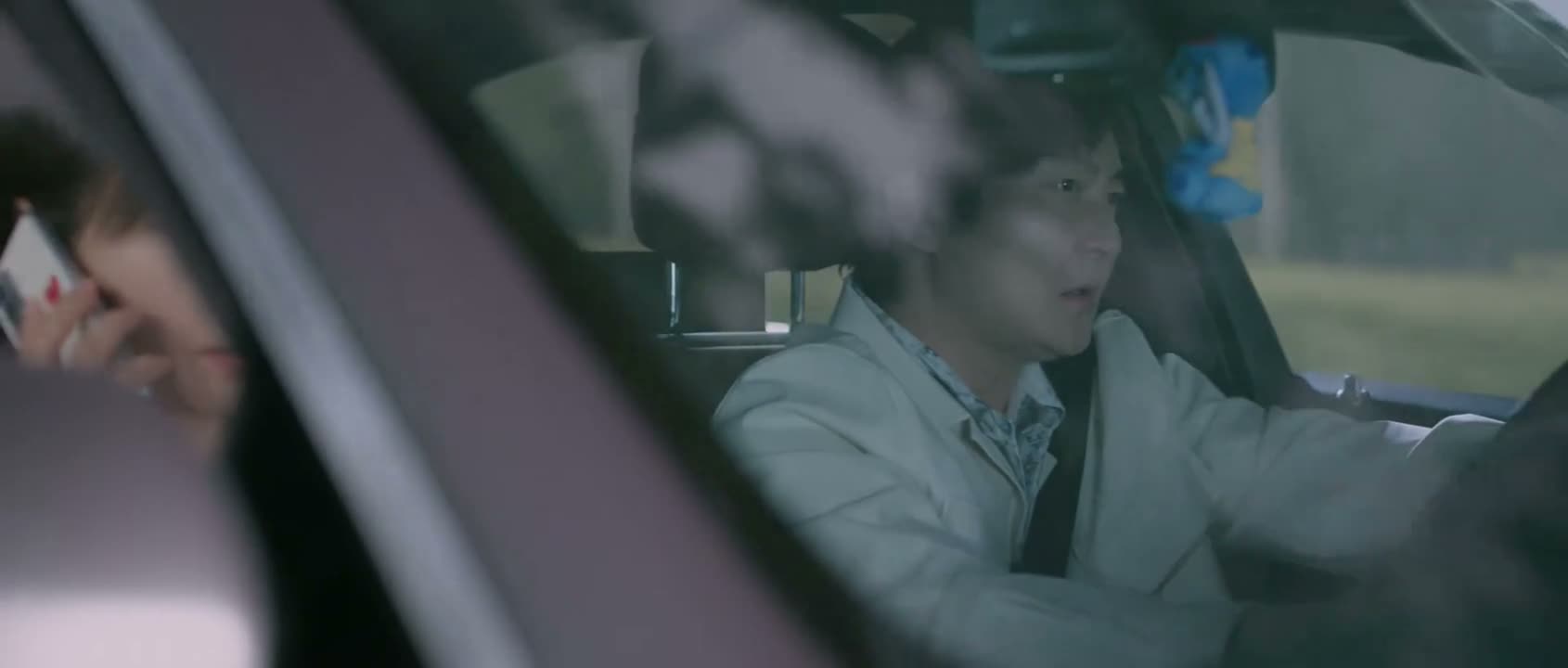
“Could something have happened to her?”