今天两次 直呼我的名字了
“You've called me by my name twice today.”
THE DIALOGUE REEL
“I just don't want to work for Fang Wanzhi.”
今天 两次 直 呼我 的名字了
“You've called me by my name twice today.”
“You just don't want me as your aunt, right?”
“You are treating me like a stranger or rival instead of your aunt, showing total disrespect.”
In traditional Chinese etiquette, addressing an elder relative by their given name instead of their kinship title is considered an active insult and a sign of severing kinship.
LEARNING CHUNKS & PARTICLES
to address directly by name without title or honorific
Carries a critical nuance when a junior calls a senior or superior by their bare name.
my name
Refers to one's full personal name, which juniors in Chinese families are culturally forbidden to utter to elders.
Emphasizes the completion of an unacceptable boundary-crossing event.
VOCABULARY & EXPRESSIONS
Parallel Spoken Cinema Scenes (语义近邻切片)

“Ma'am, I just checked the name you gave me.”
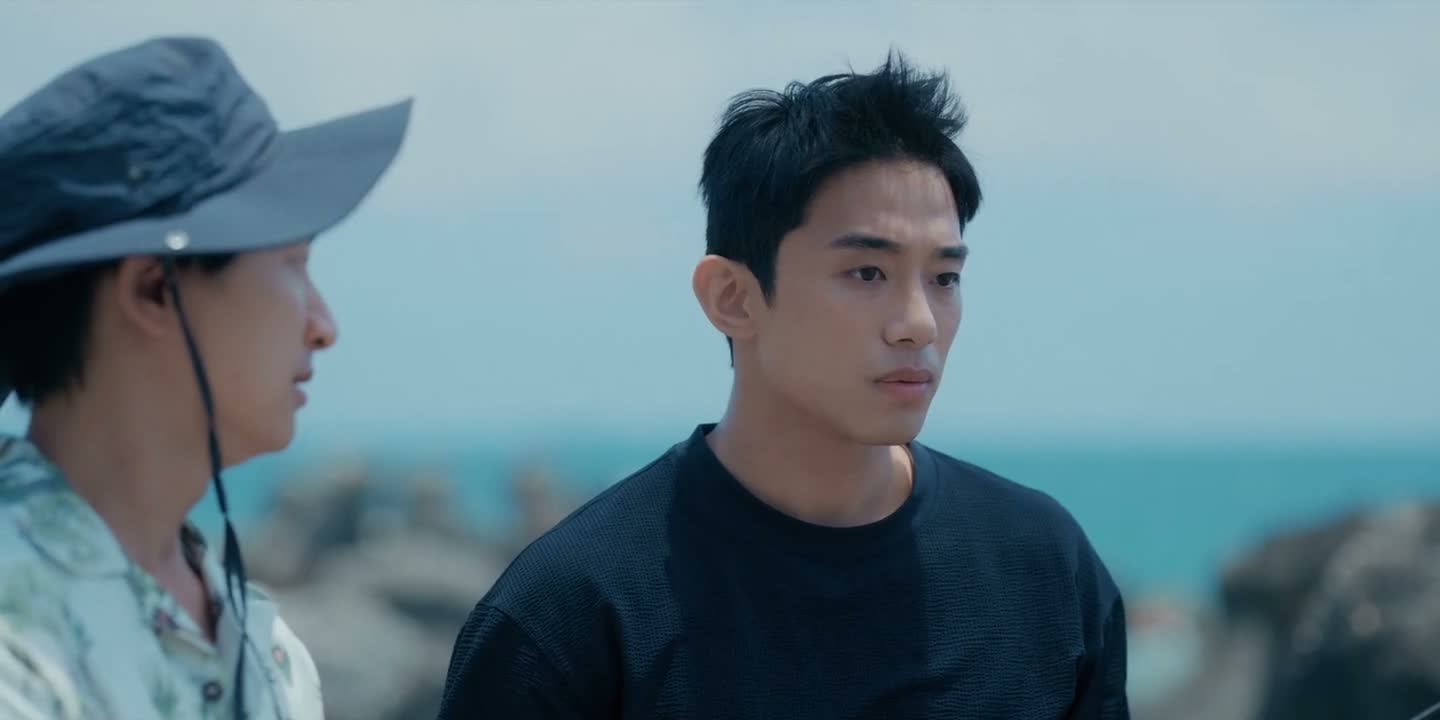
“The name I kept calling last night”
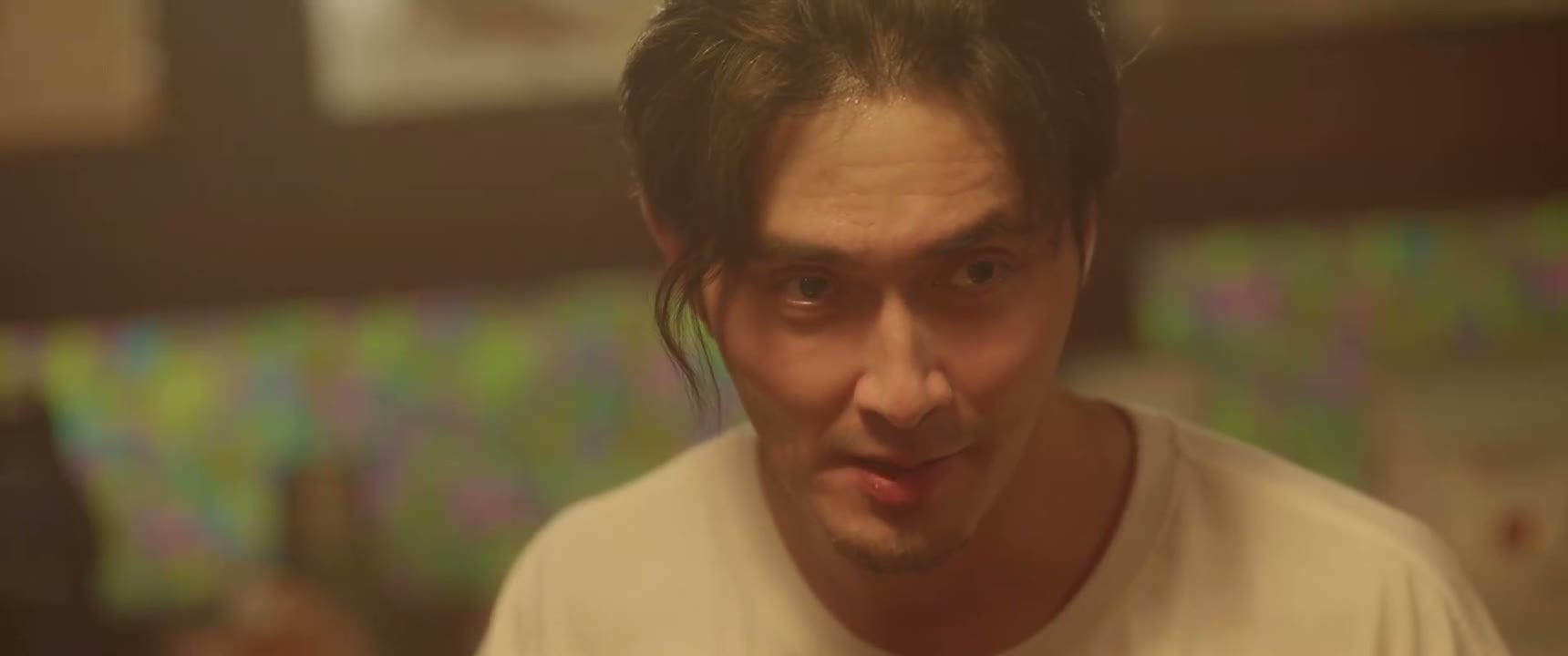
“had so many nicknames for me in private.”
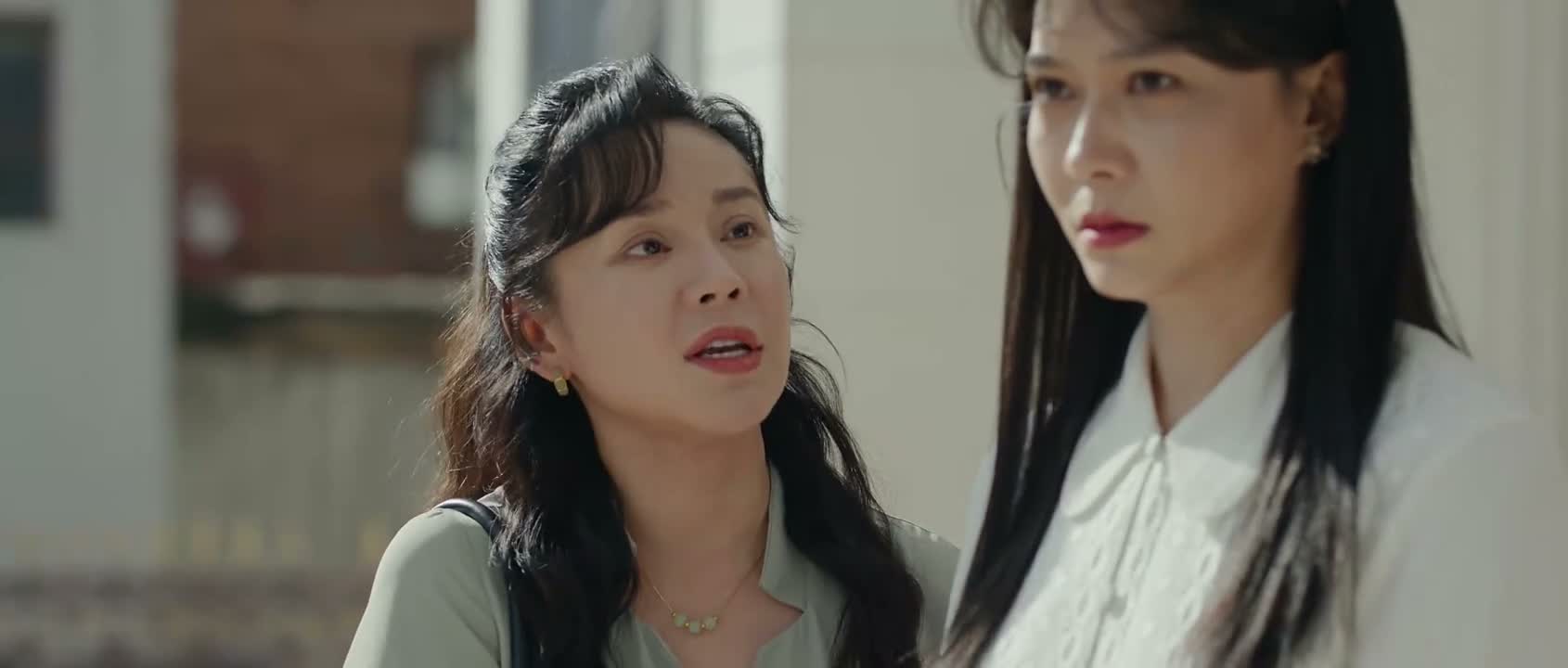
“I just paged him again.”

“Do you know how much determination it took for me to change my name?”

“she blurted out my name out of panic.”