我不能加夜班 不是 赵俊 你摆什么谱啊
“I can't work at night. Seriously? Why are you putting on airs?”
THE DIALOGUE REEL
收摊之后还要理货
“at night and restock afterward.”
我 不能 加夜班 不是 赵俊 你摆 什么 谱啊
“I can't work at night. Seriously? Why are you putting on airs?”
“You can't even handle working at night?”
“Who do you think you are to avoid working the night shift?”
In grassroots Chinese work culture, enduring hardship is expected; refusing overtime or acting entitled quickly draws criticism from peers.
LEARNING CHUNKS & PARTICLES
to put on airs; to act high-and-mighty
Commonly used in informal speech to criticize someone for acting superior or making unreasonable demands.
to work a night shift
A standard workplace term for overnight overtime work.
Enhances the rhetorical force and expresses exasperation in the question.
VOCABULARY & EXPRESSIONS
Parallel Spoken Cinema Scenes (语义近邻切片)

“Now he's even getting Zhao Jun a job.”

“If she had evidence, she wouldn't have had to make such a fuss.”

“I didn't go. I bought tickets. Zhao Jun went.”
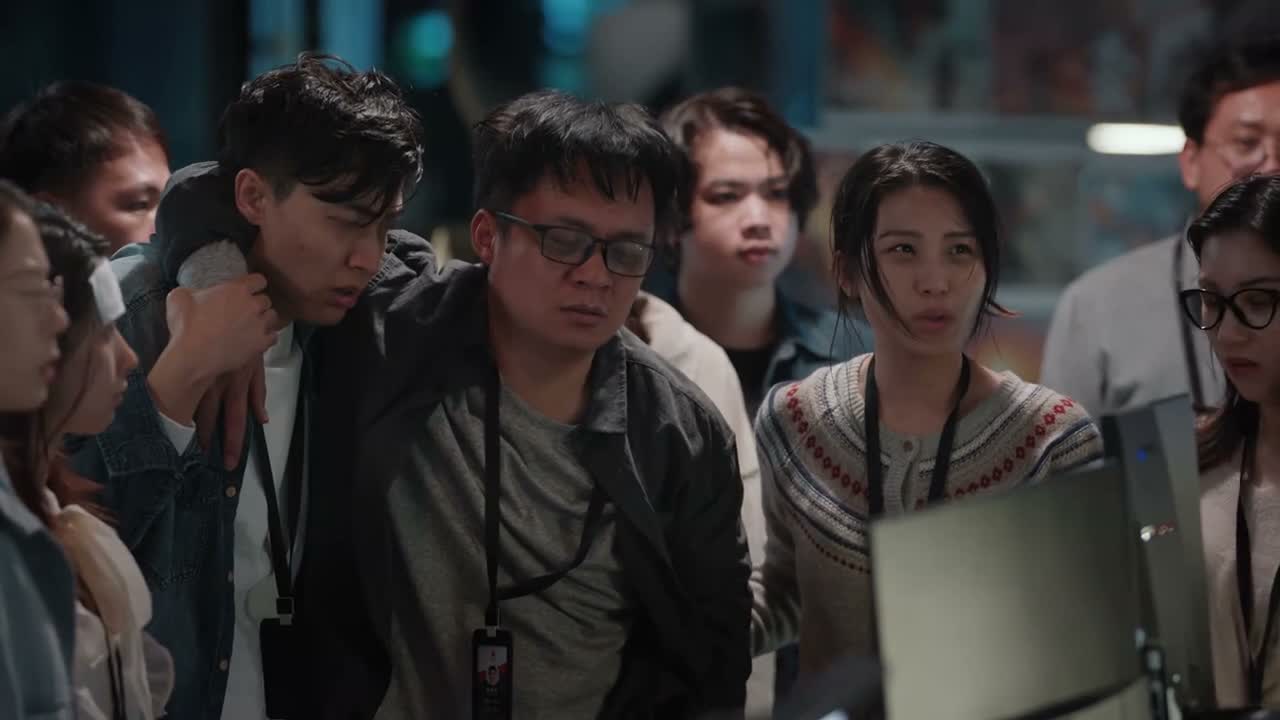
“Mr. Zhao, we've been working overtime for the past 45 days. Chen is about to collapse!”
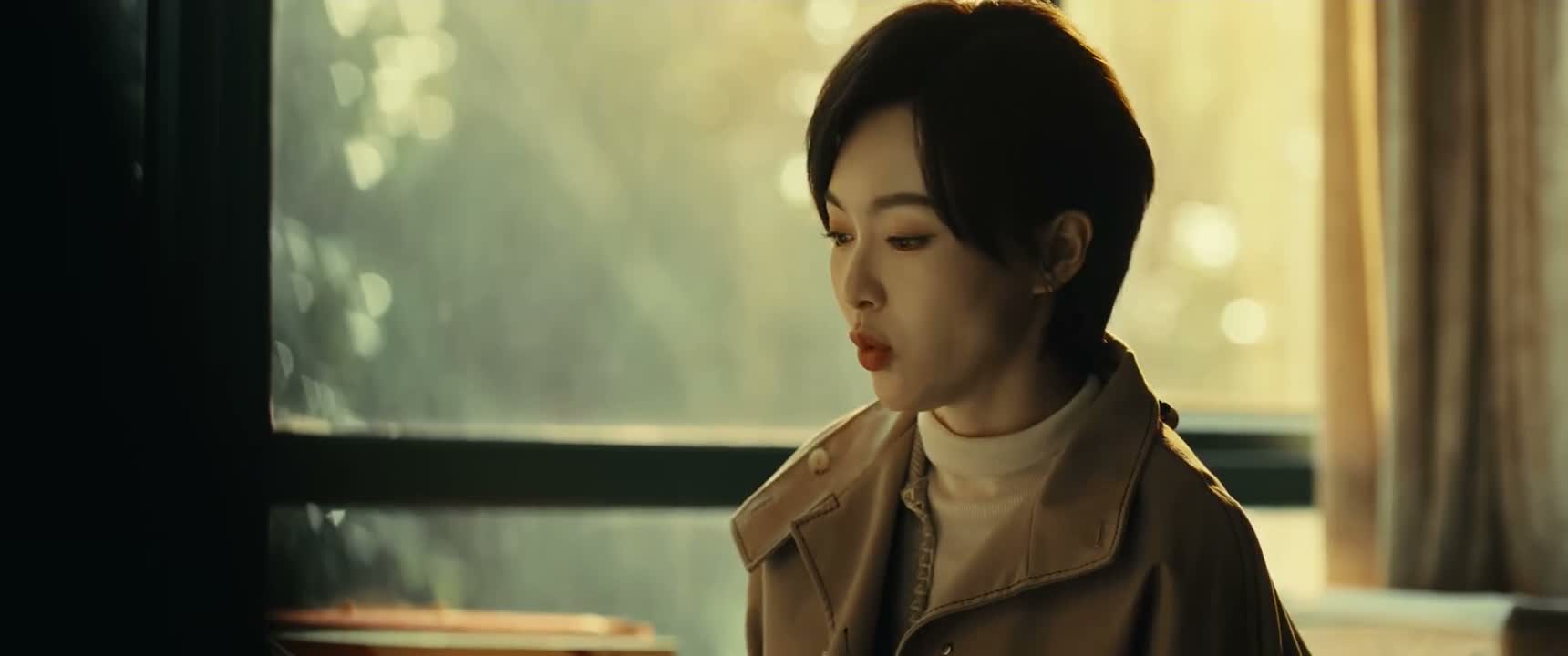
“I just worked through the night.”

“You can't even handle working at night?”