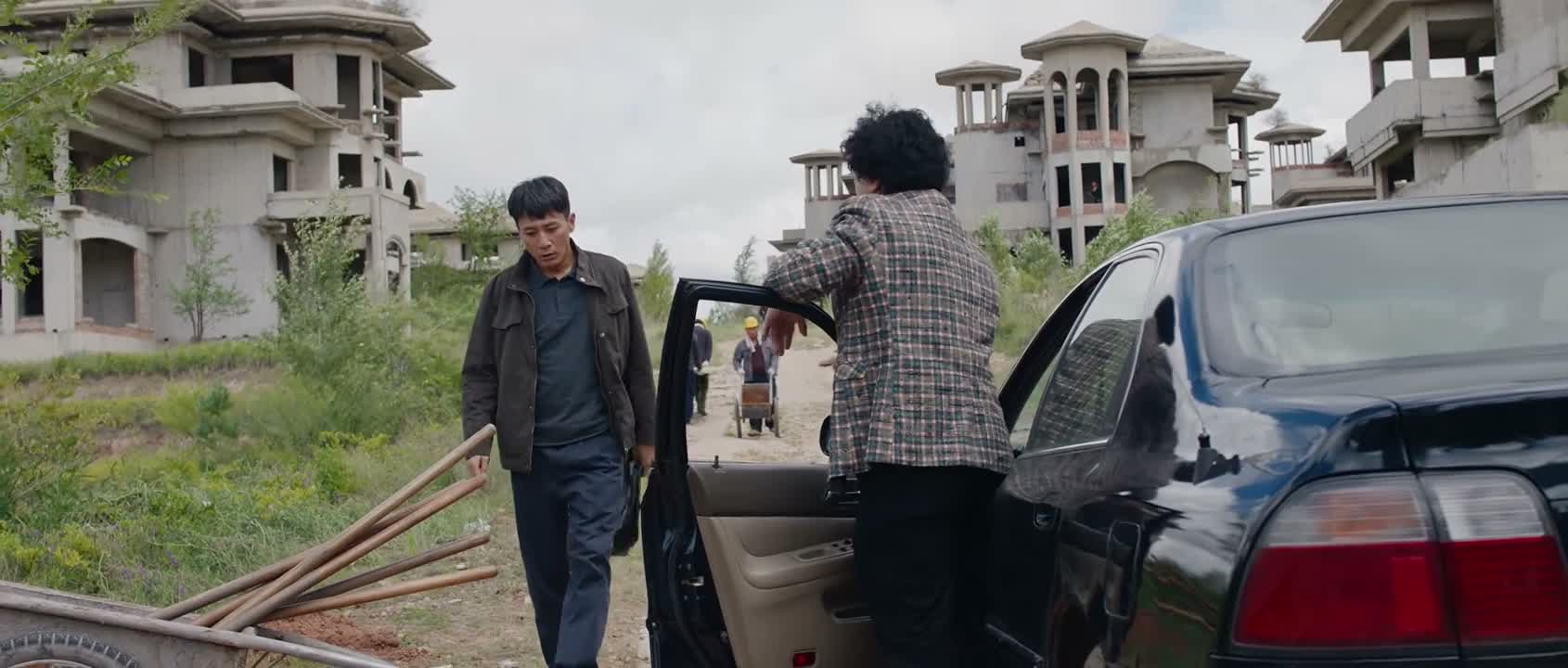
来看我们干什么呀
“here for?”
THE DIALOGUE REEL
方老师的爱人
“What is Ms. Fang's husband”
来看我们 干什么呀
“here for?”
妈 我给您带 瞿医生
“Mom, I brought... Dr. Qu,”
“You really did not need to trouble yourselves to come visit us, though I am glad you are here.”
Elders often greet visiting family or guests by pretending to protest the trouble they took, showing hospitality and care by downplaying their own need for visits.
LEARNING CHUNKS & PARTICLES
why; what for
Softened with the particle 'ya', this phrase often conveys affectionate protest or polite modesty rather than genuine questioning.
to come visit us
A standard phrase used when talking about relatives, friends, or younger generations paying a visit.
Softens the rhetorical question into an affectionate and informal welcome rather than an interrogation.
VOCABULARY & EXPRESSIONS
Parallel Spoken Cinema Scenes (语义近邻切片)
“How dangerous! What are you doing?”

“...and what they are here for.”

“You actually underestimated us.”

“What do you think we do for a living?”

“Are you crazy?”

“What is this Ding Yu doing now?”