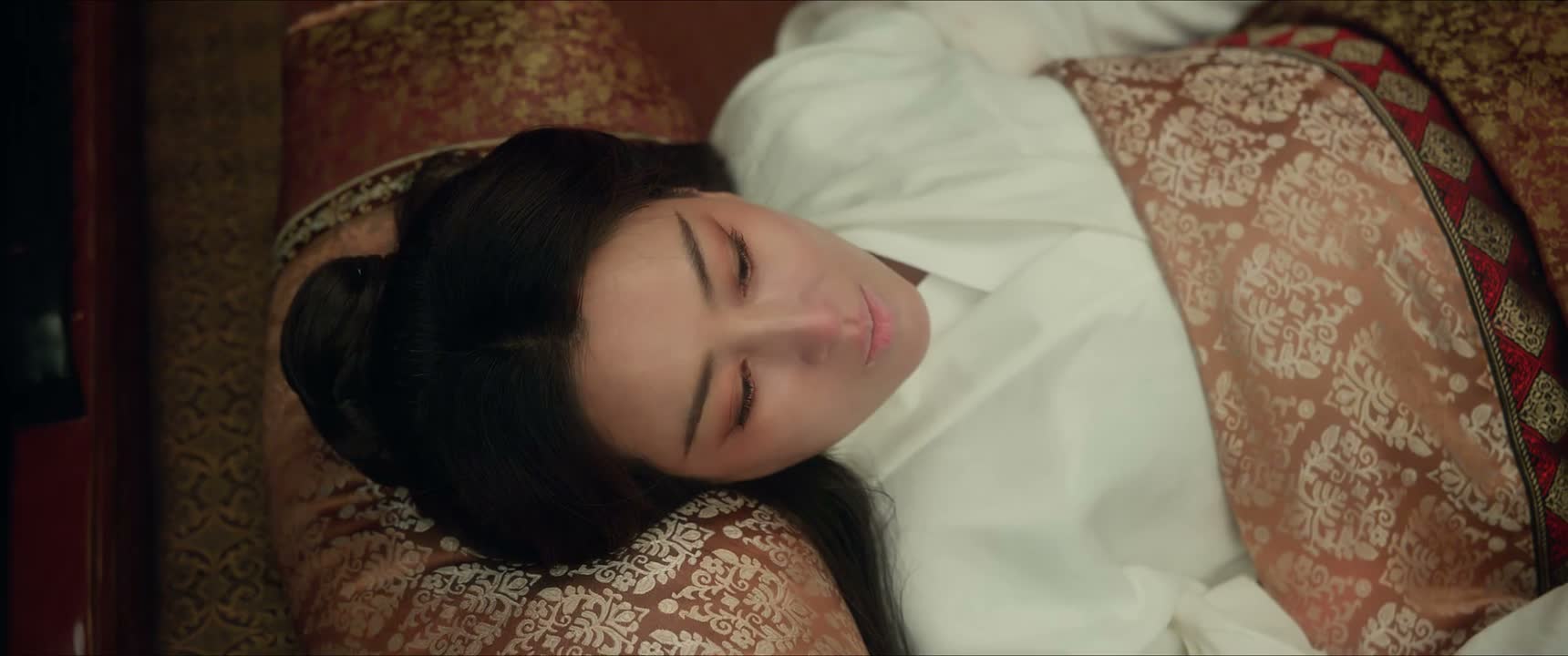
《Love Story in the 1970s》 S1·E26 (21:32)
HSK 7
wǒ shuí yě bù yuàn zhǐ yuàn zì jǐ kàn zǒu le yǎn
我谁也不怨 只怨自己看走了眼
“I don't blame anyone. I only blame myself for misjudging him.”
《Love Story in the 1970s》
S1·E26
TIMECODE: 21:32
·
1080P MASTER AUDIO
THE DIALOGUE REEL
[-1] PREVIOUS TURN
méi xiǎng dào yè fēng shì zhè zhǒng rén
“I didn't expect Ye Feng to be this kind of person.”
wǒ shuí yě bù yuàn zhǐ yuàn zì jǐ kàn zǒu le yǎn
CURRENT FOCUS
我 谁也不怨 只怨 自己看 走了 眼
“I don't blame anyone. I only blame myself for misjudging him.”
[+1] FOLLOW-UP TURN
kàn zǒu le yǎn kě yǐ chóng xīn xuǎn zé
“You can choose again then.”
Subtitles synced to millisecond timecode
Browse Show Clips →
Scene:
Social & Dating
Function:
SELF REPROACH
Tone:
BITTER
Emotion:
DISAPPOINTMENT
WHAT THEY REALLY MEAN (PRAGMATIC SUBTEXT)
“I feel so foolish for being blind to who he truly was.”
💡 Cultural Insight: Discretion and Avoiding Pettiness
Blaming one's own vision rather than openly throwing a tantrum at the wrongdoer shows emotional maturity and preserves dignity during a romantic or social fallout.
INTENT TAGS:
#self_reproach
#regret
#saving_face
#disillusionment
🧩
2 CHUNKS · 0 PARTICLES
LEARNING CHUNKS & PARTICLES
看走了眼
SPOKEN CHUNK
to misjudge someone or something badly
A very common colloquial idiom for failing to recognize someone's true character or making a bad evaluation.
谁也不怨
SPOKEN CHUNK
to blame no one at all
Used to concede that one accepts personal responsibility for a negative outcome without pointing fingers.
🏮
3 EXPR · 0 GRAMMAR
VOCABULARY & EXPRESSIONS
COLLOQUIAL EXPRESSIONS:
CROSS-CINEMA CORPUS BOARD · PARALLEL SCENES
EXPLORE BY SEMANTIC SIMILARITY
Parallel Spoken Cinema Scenes (语义近邻切片)

《Love Story in the 1970s》 S1·E26 (21:32) · Authentic Cinema Dialogue Corpus