找那玩意干什么 陈芝麻烂谷子的
“Why dig up that? It was a long time ago.”
THE DIALOGUE REEL
“the letters Fei Ting wrote me from Great Northern Wilderness.”
找那 玩意 干什么 陈芝麻烂谷子 的
“Why dig up that? It was a long time ago.”
“Mom, I'll go help Fei Ting cook.”
“Don't waste your time dredging up ancient history; it doesn't matter anymore.”
Older Chinese generations often employ pragmatic, grounded metaphors like food spoilage to discourage dwelling on unproductive nostalgic pasts.
LEARNING CHUNKS & PARTICLES
old, stale, trivial past matters
A colorful idiomatic expression used to dismiss ancient history or outdated grievances as not worth mentioning.
why bother / what for
Frequently used in spoken Chinese to question or challenge the necessity of an action.
Functions here to nominalize and emphasize the categorical nature of the old, trivial matters.
VOCABULARY & EXPRESSIONS
Parallel Spoken Cinema Scenes (语义近邻切片)
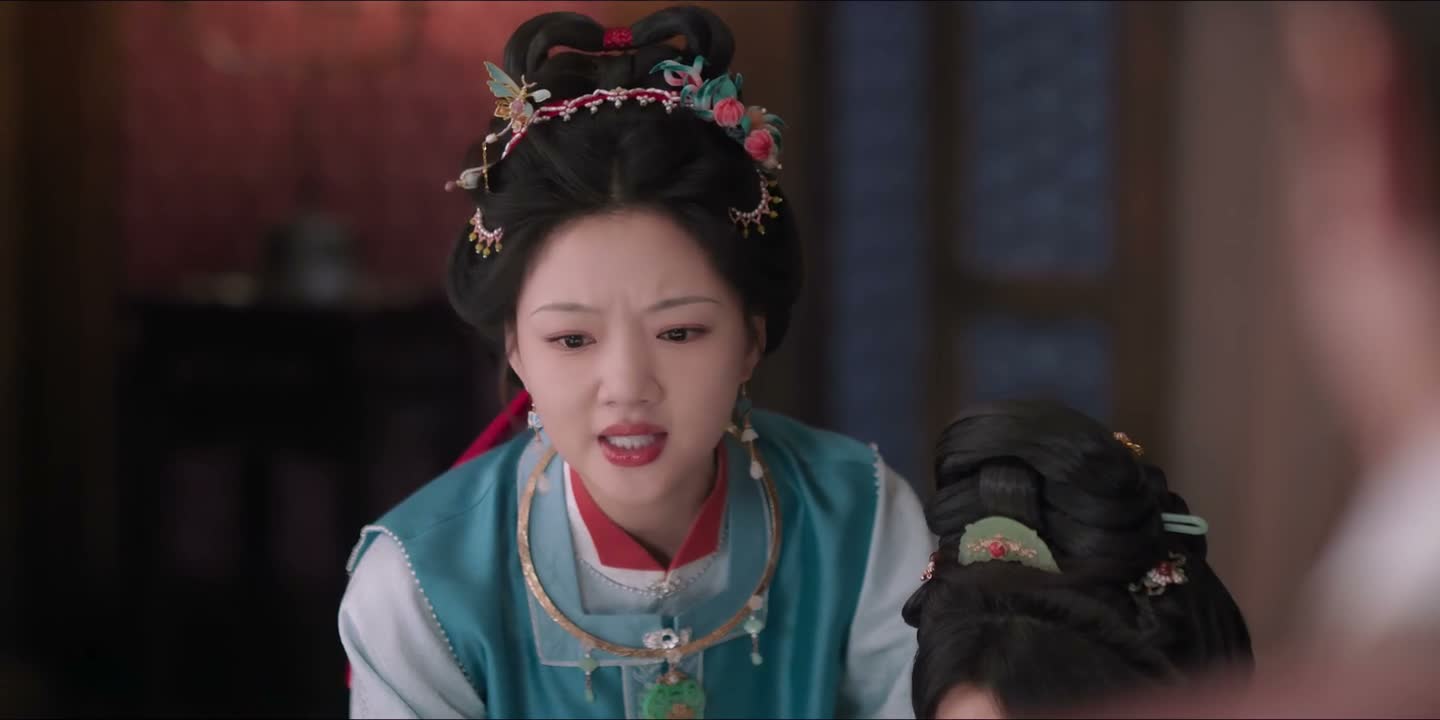
“it's all about the past.”
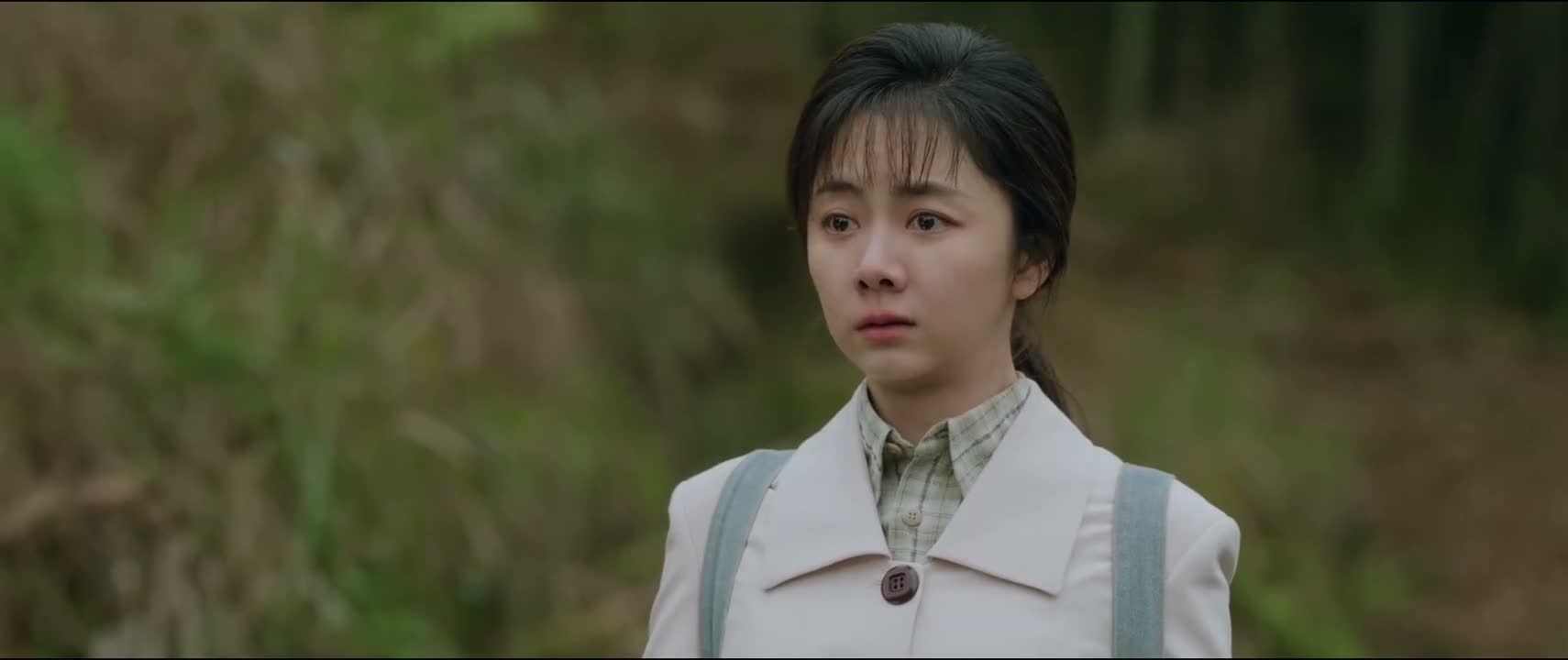
“It's all in the past now.”

“Then stop bringing up that old, dusty stuff.”

“over so many years,”