MC
MandarinClips Cinema Corpus
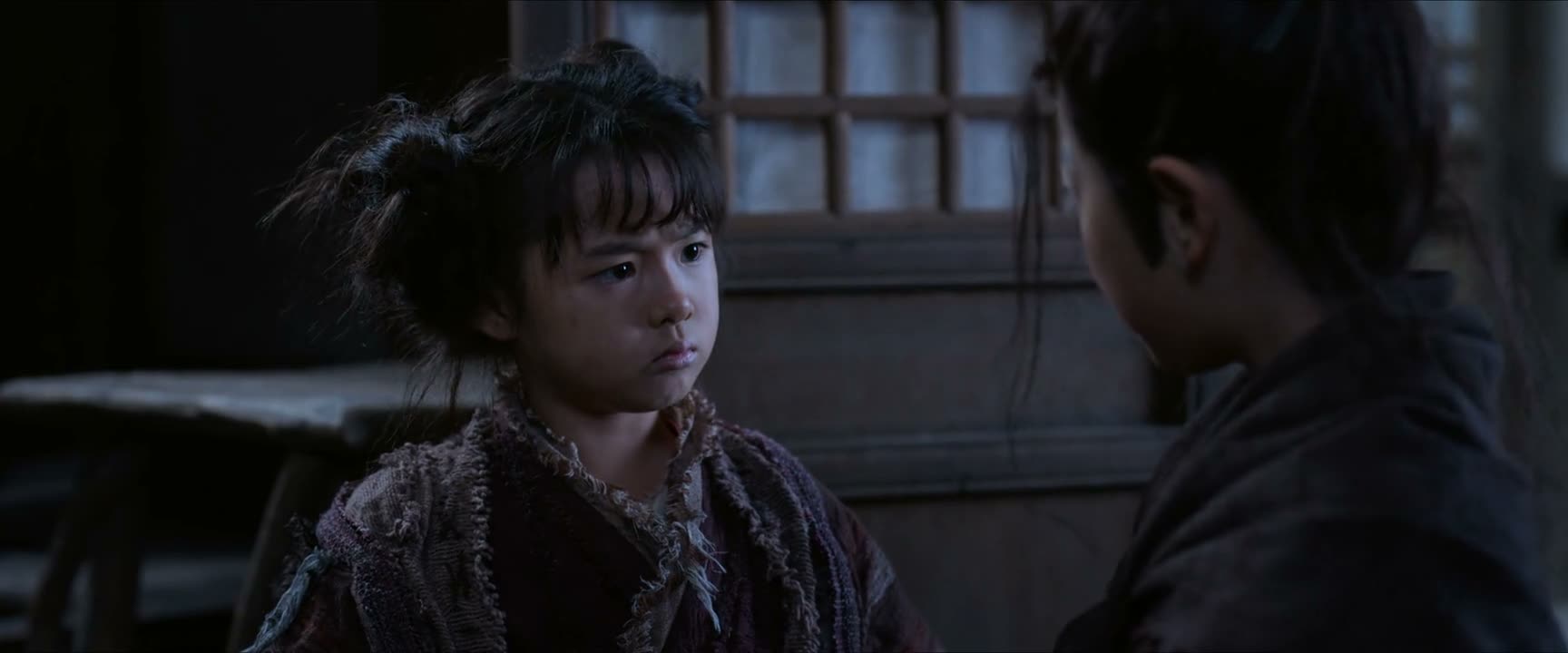
《The Glamorous Night》 S1·E2 (05:45) HSK 4
zhè shàng cì lái bú shì hái hǎo hǎo de ma zǒu ba zǒu ba zǒu ba

这上次来不是还好好的吗 走吧走吧走吧

“Wasn't it fine last time I came? Let's go.”

《The Glamorous Night》 S1·E2
TIMECODE: 05:45 · 1080P MASTER AUDIO

THE DIALOGUE REEL

1+1+1 SPOKEN CONTINUITY
[-1] PREVIOUS TURN fán sǐ le

烦死了

“Oh my!”

zhè shàng cì lái bú shì hái hǎo hǎo de ma zǒu ba zǒu ba zǒu ba CURRENT FOCUS

这 上次 来 不是还好好的吗 走吧走吧走吧

“Wasn't it fine last time I came? Let's go.”

[+1] FOLLOW-UP TURN zhè zěn me shuō dǎo bì jiù dǎo bì le háng qíng bù hǎo a dà jiě

这怎么说倒闭就倒闭了 行情不好啊 大姐

“How could it just shut down like this? Due to stagnant market, miss.”

Subtitles synced to millisecond timecode Browse Show Clips →
Scene: Daily Life
Function: EXPRESSING DISBELIEF
Tone: IMPATIENT
Emotion: DISAPPOINTMENT
WHAT THEY REALLY MEAN (PRAGMATIC SUBTEXT)

Direct spoken expression in this communicative setting.

💡 Cultural Insight: Spoken Reduplication for Emotional Urgency

Repeating verbs and particles like '走吧走吧走吧' is a distinctive feature of informal colloquial Chinese used to accelerate action and cut short unnecessary dwelling on bad news.

INTENT TAGS: #disbelief #prompting_departure #resignation #impatience
🧩

LEARNING CHUNKS & PARTICLES

2 CHUNKS · 2 PARTICLES
好好的 SPOKEN CHUNK

perfectly fine; in good condition

A common spoken reduplication indicating that something was previously in an optimal or normal state before an unexpected negative change.

走吧走吧 SPOKEN CHUNK

let's go; come on, let's leave

Repetition of '走吧' creates an urgent, dismissive, or hurried cadence urging someone to move on.

Modal Particle「吗」 (ma) CHANGE OF STATE

Forms a rhetorical confirmation question expecting agreement about the past state.

Modal Particle「吧」 (ba) CHANGE OF STATE

Softens the imperative into an urgent suggestion to leave.
🏮

VOCABULARY & EXPRESSIONS

3 EXPR · 4 GRAMMAR
CROSS-CINEMA CORPUS BOARD · PARALLEL SCENES

Parallel Spoken Cinema Scenes (语义近邻切片)

EXPLORE BY SEMANTIC SIMILARITY
《The Glamorous Night》 S1·E2 (05:45) · Authentic Cinema Dialogue Corpus