但已是陈年旧事了 你何故再提
“but it is an old story now. Why bring it up again?”
THE DIALOGUE REEL
此事本官也略有耳闻
“I have heard a bit about this,”
但已是 陈年旧事 了 你 何故再提
“but it is an old story now. Why bring it up again?”
十三年前
“Thirteen years ago,”
“Drop this topic; digging into past grievances will only cause trouble.”
In traditional governance and social dynamics, dredging up old grievances often threatens current stability, so authorities frequently discourage reopening past cases.
LEARNING CHUNKS & PARTICLES
matters of the distant past; an old story
Use this set phrase when referring to events that occurred long ago and should no longer be relevant.
why; for what reason
A literary and formal substitute for '为什么', common in period dramas or formal rhetorical speech.
Marks a change of state, underscoring that the matter is already settled in the past.
VOCABULARY & EXPRESSIONS
Parallel Spoken Cinema Scenes (语义近邻切片)

“It's in the past and don't mention it ever again. If I were you,”

“it has been so many years.”
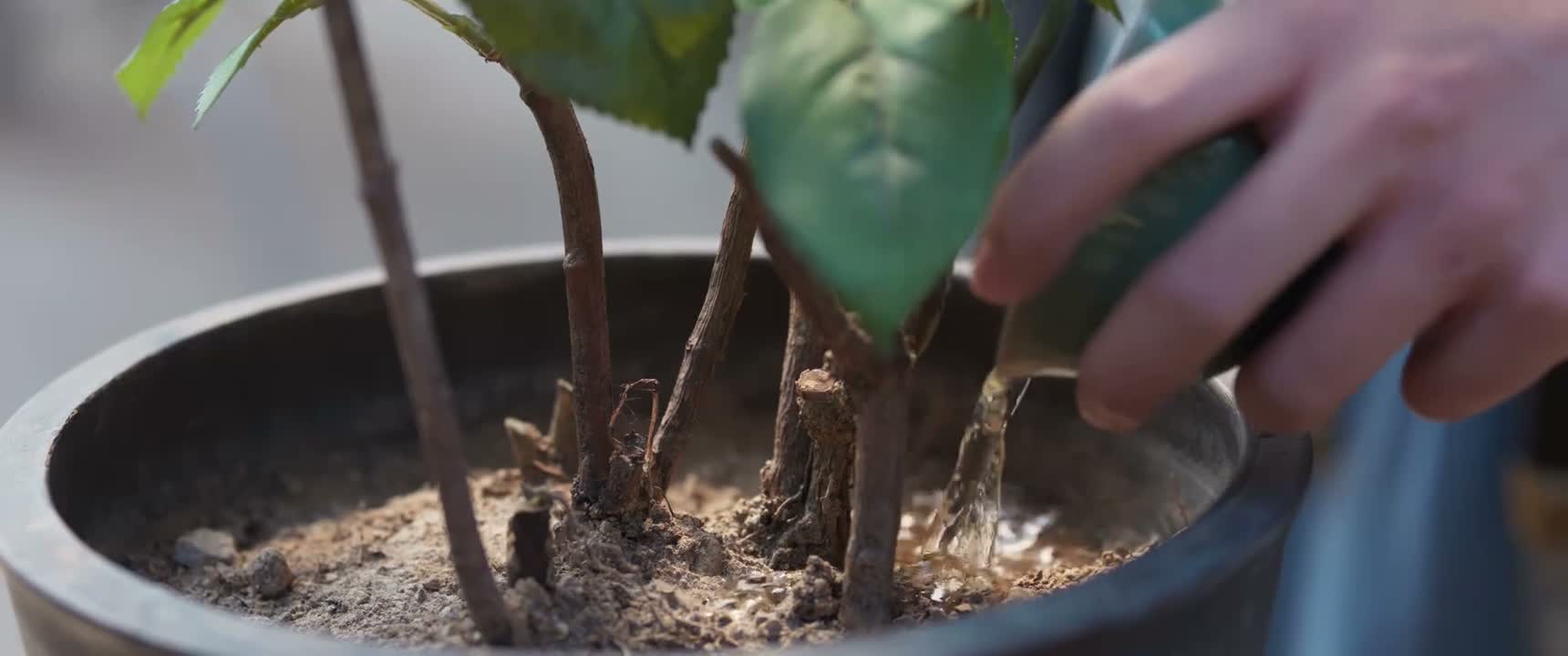
“(seemed to lie many long-buried past events,)”

“let's leave last year where it belongs— in the past.”

“Why did you assume it's been many years?”

“these are all in the past.”