我发现我这劳碌命 纯属自己欠的 谁也怨不了
“I've realized this hard life of mine is entirely my own doing. I can't blame anyone else.”
THE DIALOGUE REEL
我发现 我这 劳碌命 纯属 自己欠的 谁也怨 不了
“I've realized this hard life of mine is entirely my own doing. I can't blame anyone else.”
不客气了 慢着
“I will start eating. Hold it.”
“I bring all this exhausting extra work upon myself, but I just cannot stop doing it.”
In Chinese culture, laughing at one's own burdensome fate ('劳碌命') is a common coping strategy to relieve stress and bond with others without sounding genuinely bitter.
LEARNING CHUNKS & PARTICLES
a fate of toiling; born to work hard
A colloquial phrase used humorously or resignedly to describe someone who is constantly busy and unable to relax.
cannot blame anyone; have no one to blame but oneself
Used to take ultimate responsibility for a tiring or unpleasant situation without harboring external grudges.
VOCABULARY & EXPRESSIONS
Parallel Spoken Cinema Scenes (语义近邻切片)
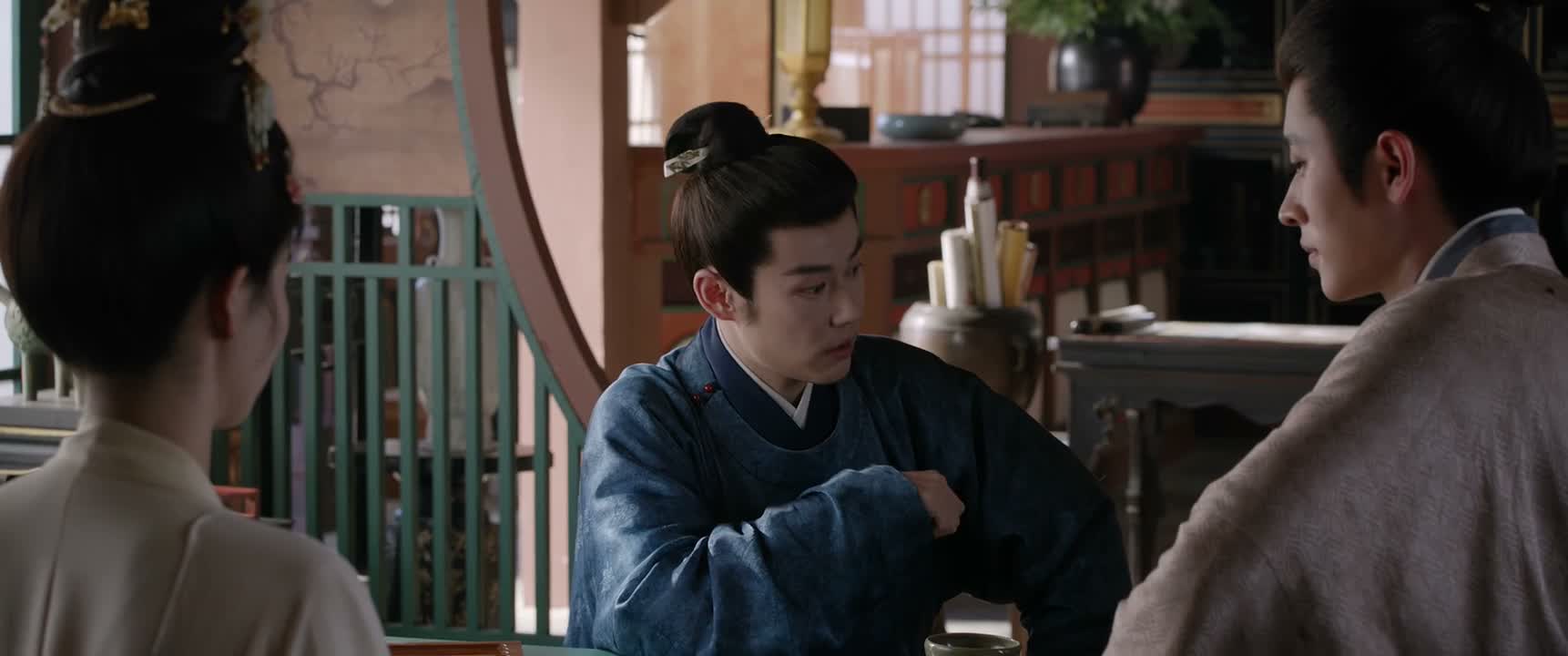
“I'm so unlucky.”

“Even if I didn't contribute much to the company, I've put in my fair share of hard work too.”
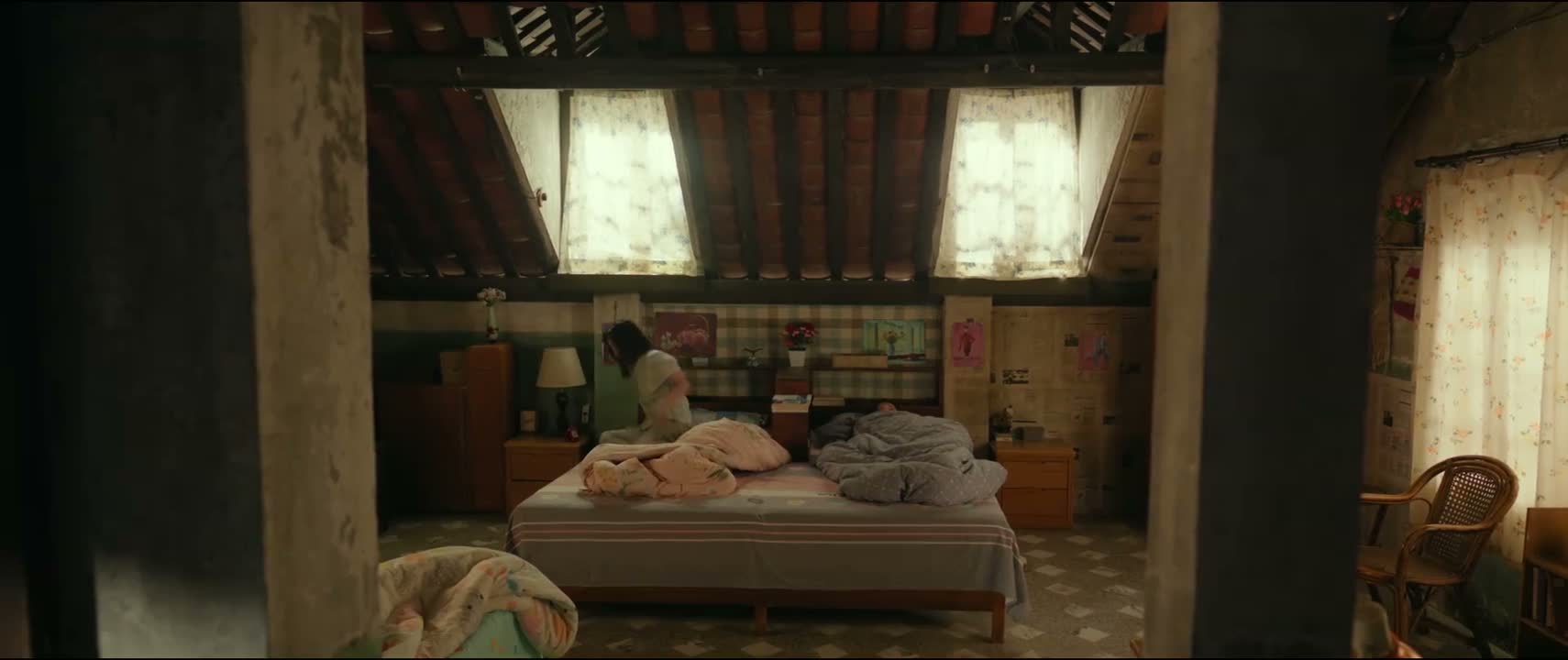
“You're so workaholic.”

“Why should they spend their whole lives suffering for a burden like me?”

“At least I gave it my all. We often hear it, but it's the truth.”
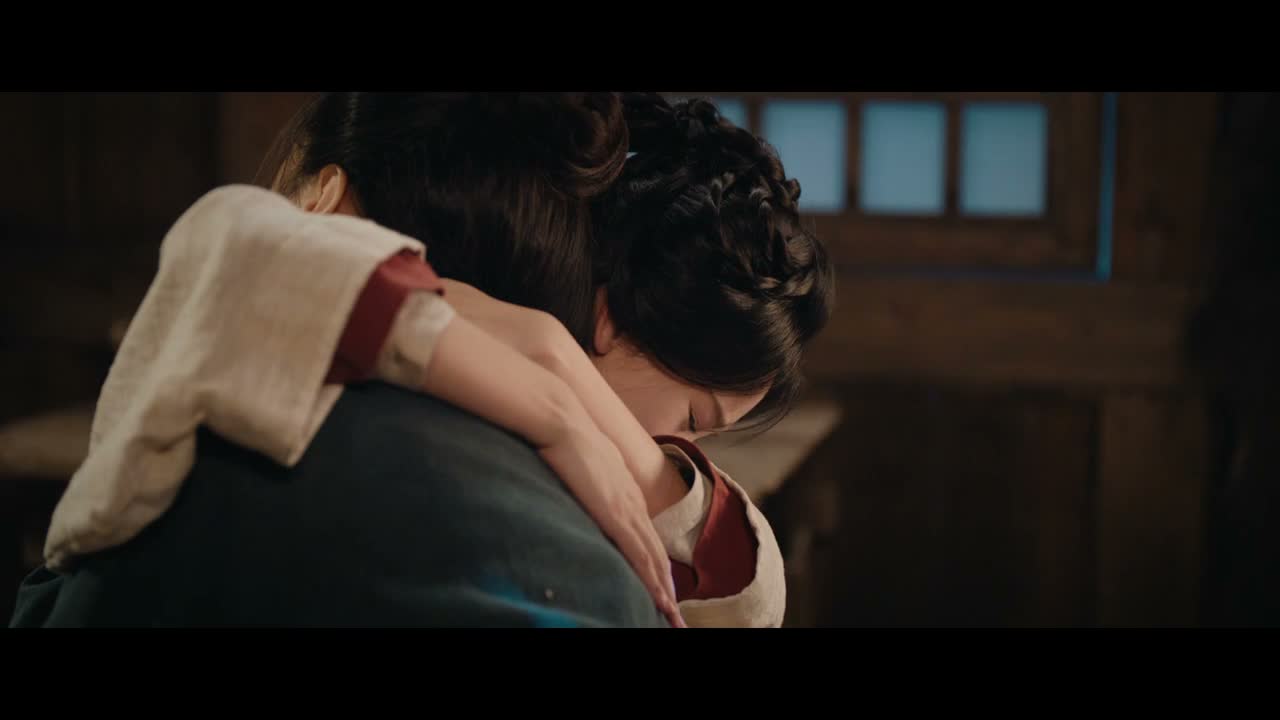
“Oh, so cruel.”