小时候人手都有一个 有什么缘分的
“Everyone had one of these as a kid. What's so fated about that?”
THE DIALOGUE REEL
简直是缘分呢
“It must be fate.”
小时候 人手都有一个 有什么 缘分 的
“Everyone had one of these as a kid. What's so fated about that?”
那什么
“Anyway,”
“Stop romanticizing a totally normal childhood toy; we are not destined for each other.”
While 'yuanfen' (predestined affinity) is deeply embedded in Chinese romantic tropes, pragmatists often invoke generational collective memories to puncture attempts at fabricated romantic destiny.
LEARNING CHUNKS & PARTICLES
everyone has one; each person possesses one
Use to emphasize that an item or trend is completely universal and ubiquitous rather than special.
how can that be considered fate?
A rhetorical question pattern used to brush off romanticized coincidences or superstition.
Used at the end of the rhetorical question to reinforce a dismissive and assertive stance.
VOCABULARY & EXPRESSIONS
Parallel Spoken Cinema Scenes (语义近邻切片)

“But chemistry is up to them.”
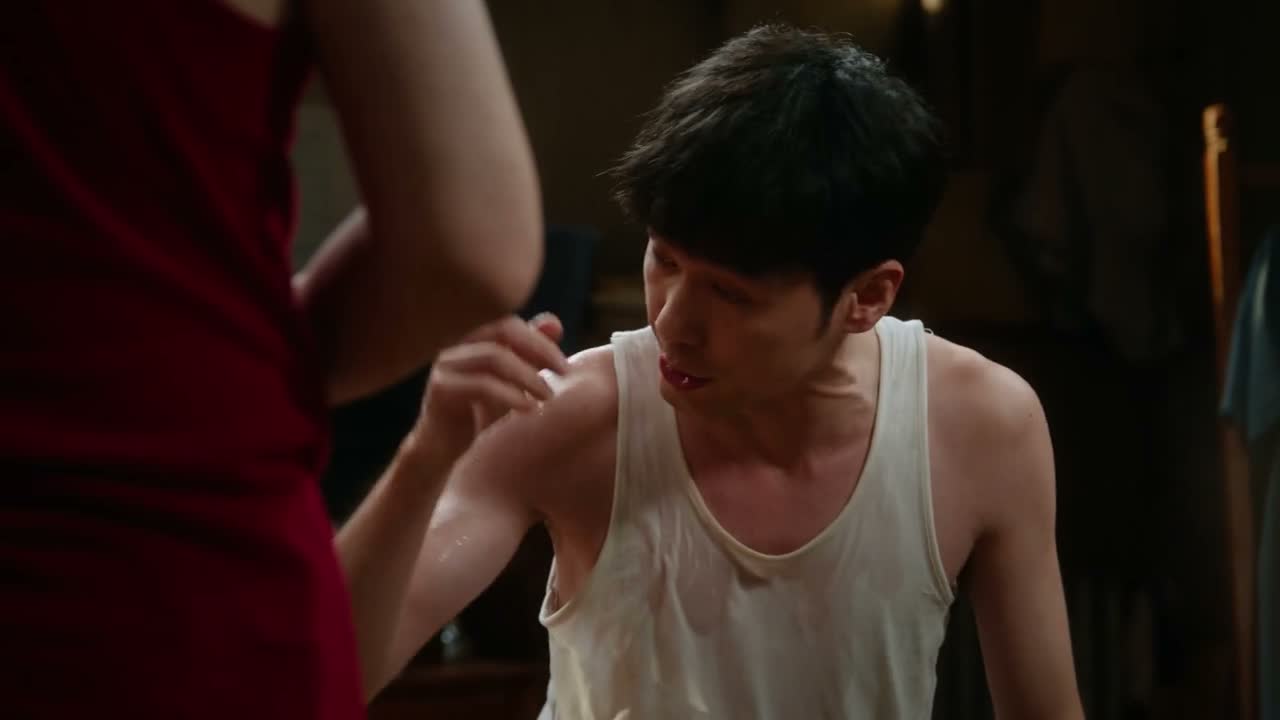
“is serendipity.”
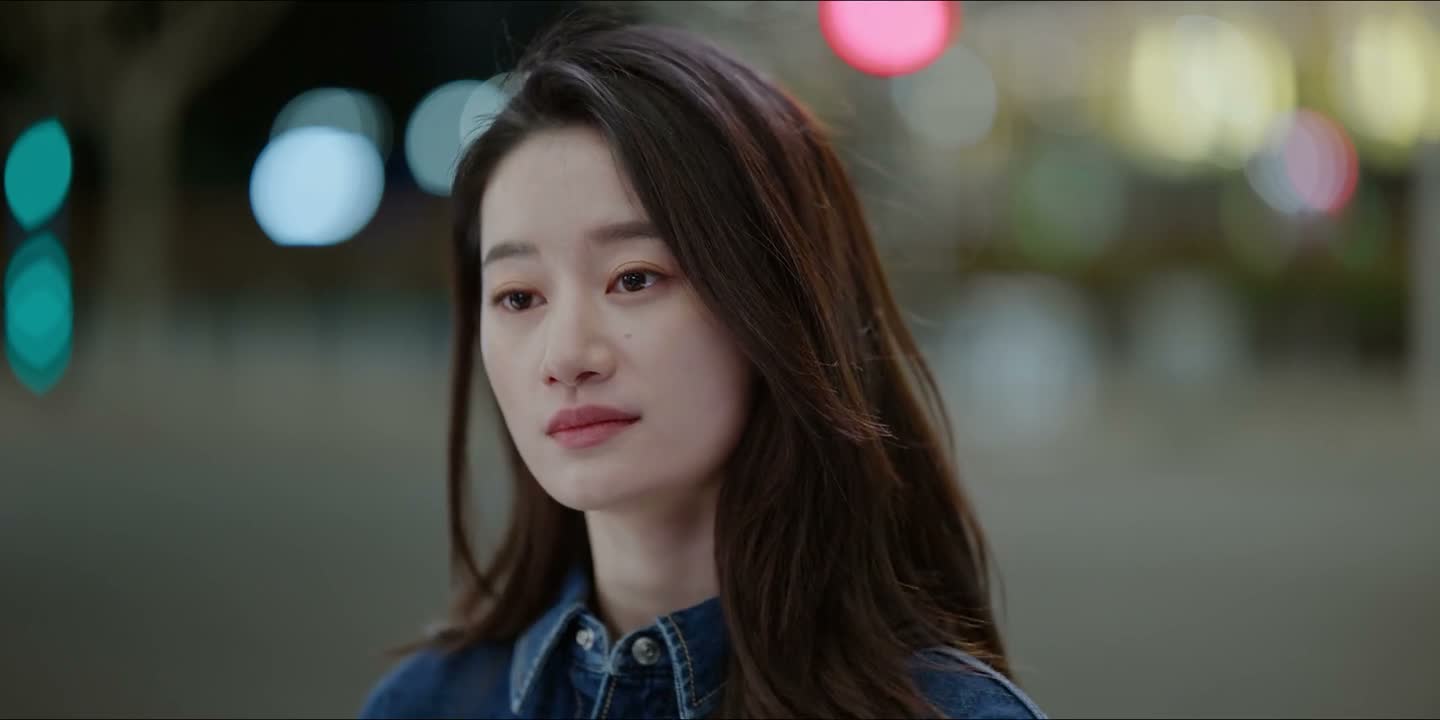
“Is this considered fate?”

“It seems that the two of us do have quite a bit of fate between us.”

“Now I see it was fate.”

“See if fate brings you a good guy, and then date.”