你为什么不早告诉妈妈
“Why didn't you tell me before?”
THE DIALOGUE REEL
妈妈对不起你
“I'm so sorry.”
你 为什么不早告诉 妈妈
“Why didn't you tell me before?”
“I hate seeing you suffer alone; if only you had told me sooner so I could have protected you.”
Chinese parents often use third-person kinship terms like 'mom' when speaking to their children to emphasize emotional bonds and maternal responsibility, especially during moments of perceived failure to protect the child.
LEARNING CHUNKS & PARTICLES
why didn't (you) earlier
A common rhetorical pattern used to express regret or frustration that an action was delayed.
tell mom
A natural way for Chinese mothers to refer to themselves in the third person when comforting or addressing their children.
VOCABULARY & EXPRESSIONS
Parallel Spoken Cinema Scenes (语义近邻切片)
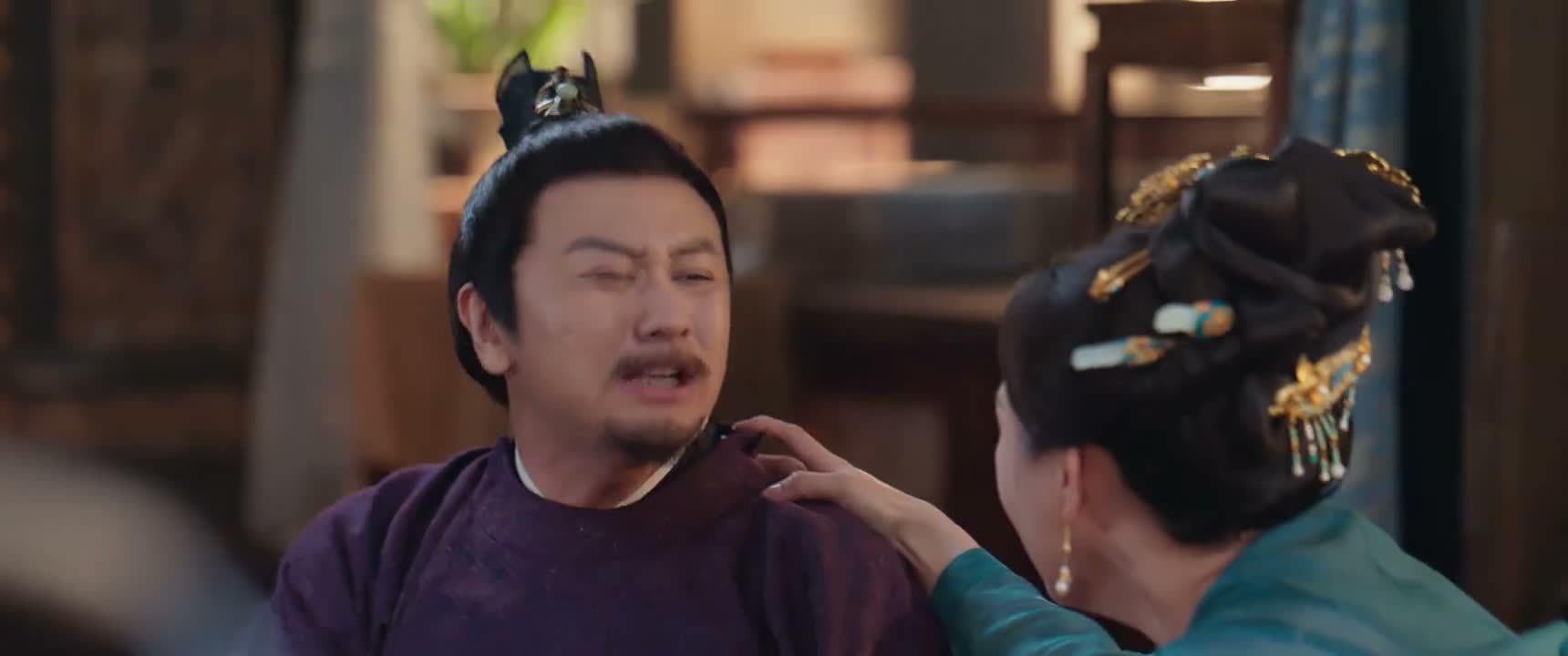
“Why did you not tell me sooner?”

“Why didn't you tell me about this earlier?”

“Then why didn't you tell me earlier?”

“Why didn't you tell me sooner?”

“Why didn't you warn me beforehand?”

“why didn't you tell me sooner?”

“Why didn't you tell me about such a big thing at the time?”

“Why didn't you say it earlier?”