我总不能站着挨打吧
“I couldn't just stand there and take it, right?”
THE DIALOGUE REEL
刚刚你还手了吗
“Did you fight back just now?”
我 总不能 站着挨打 吧
“I couldn't just stand there and take it, right?”
就问你还没还手
“Did you fight back just now?”
“Anyone would fight back in my shoes, so do not blame me for defending myself.”
Using '总不能...吧' appeals to universally acknowledged basic human instincts, preemptively shutting down moral scolding.
LEARNING CHUNKS & PARTICLES
cannot possibly / surely one cannot
Commonly used in spoken Chinese to introduce a rhetorical argument emphasizing common-sense boundaries.
to stand by passively and take a beating
Used metaphorically or literally to describe staying helpless without resisting attack or unfair treatment.
Softens the rhetorical question into a plea for obvious agreement, seeking validation for the speaker's reaction.
VOCABULARY & EXPRESSIONS
Parallel Spoken Cinema Scenes (语义近邻切片)
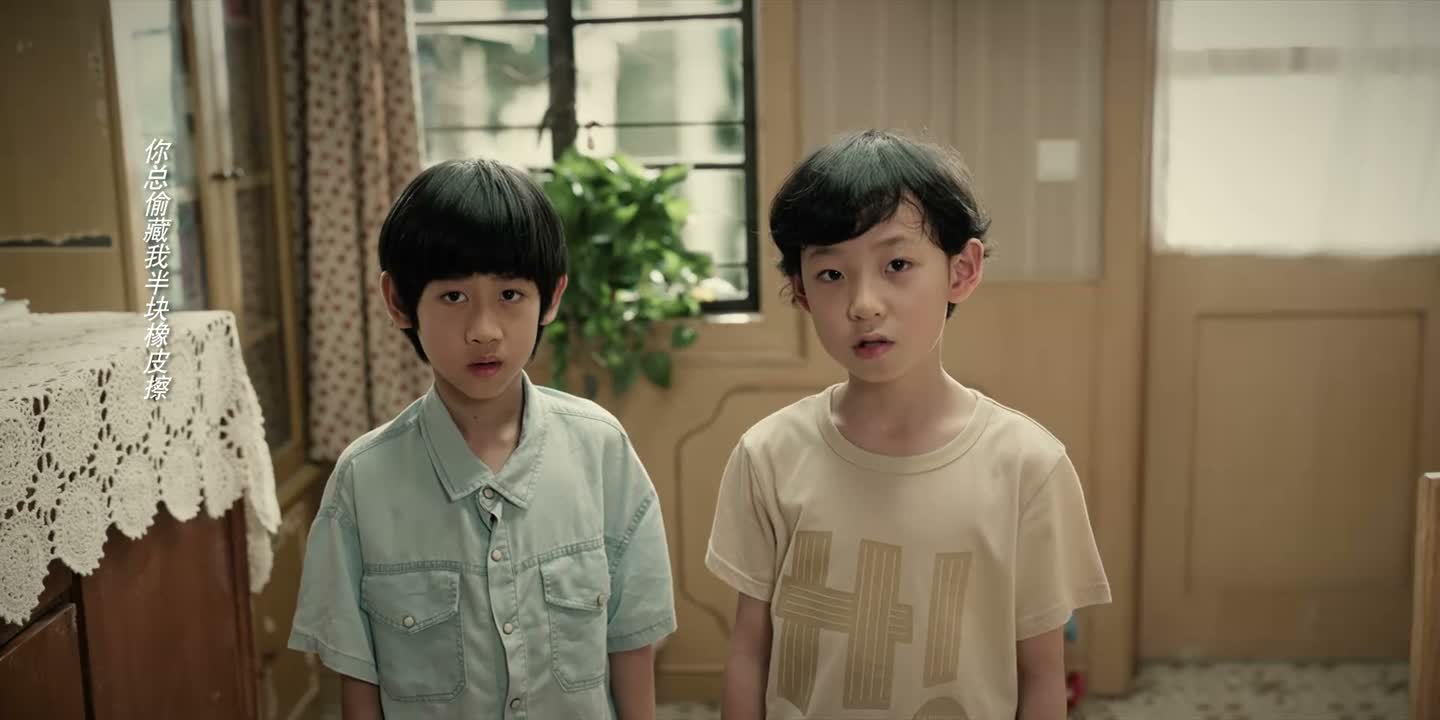
“Does that mean we won't get a beating?”

“because getting a beating would be inevitable either way.”

“You can't keep standing.”
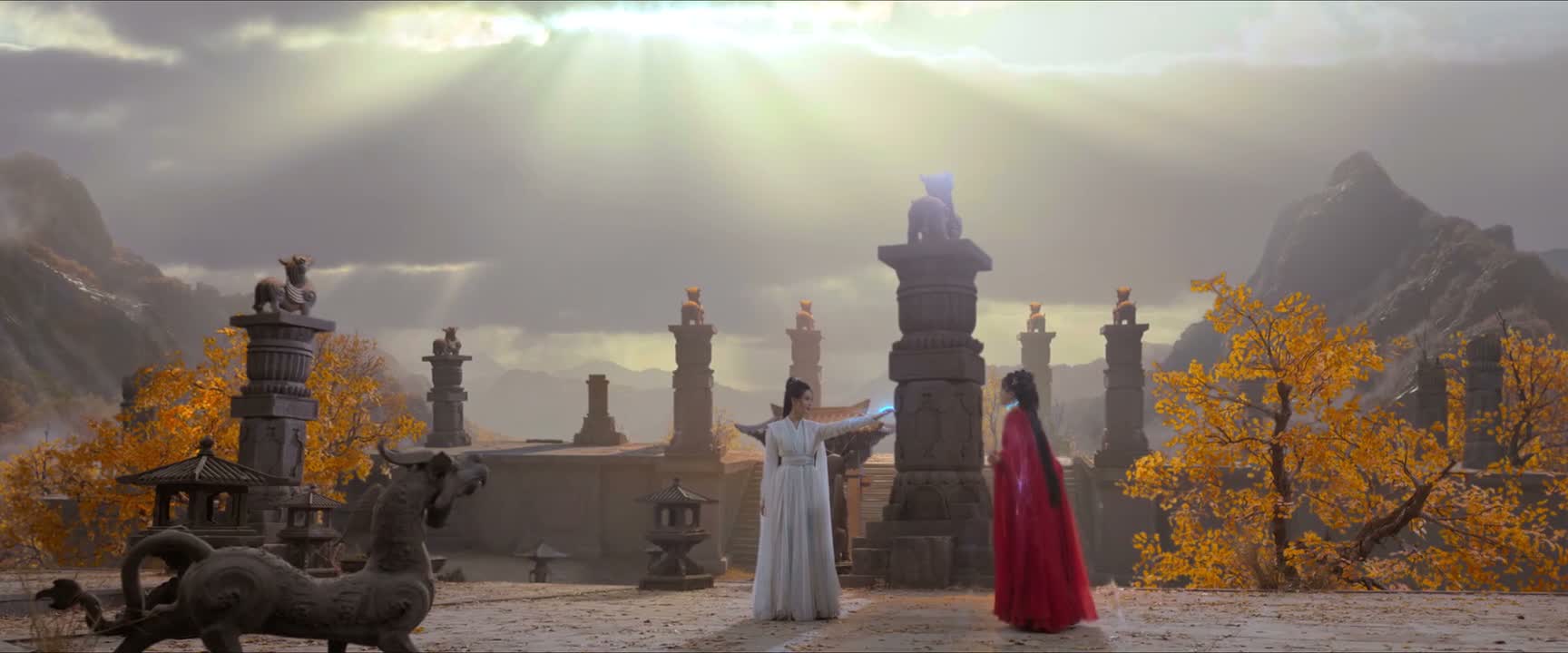
“but you can only be beaten with your hands tied.”
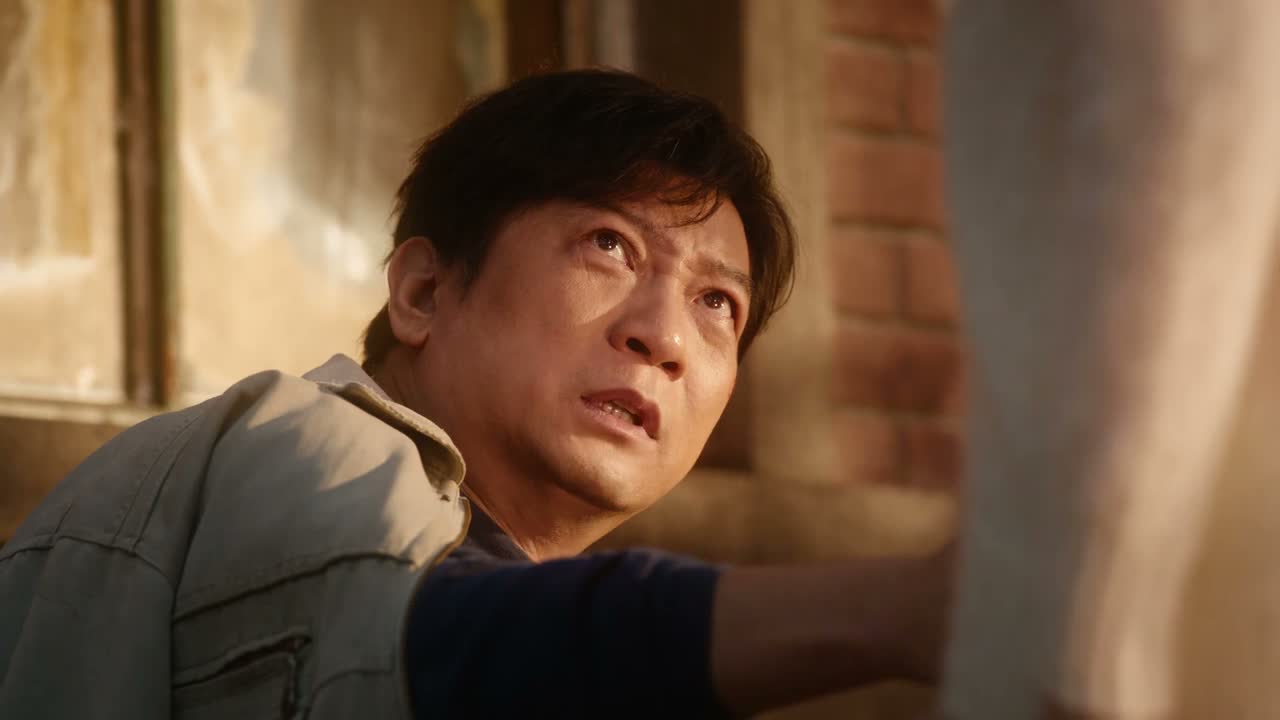
“I would have taken this beating for nothing.”
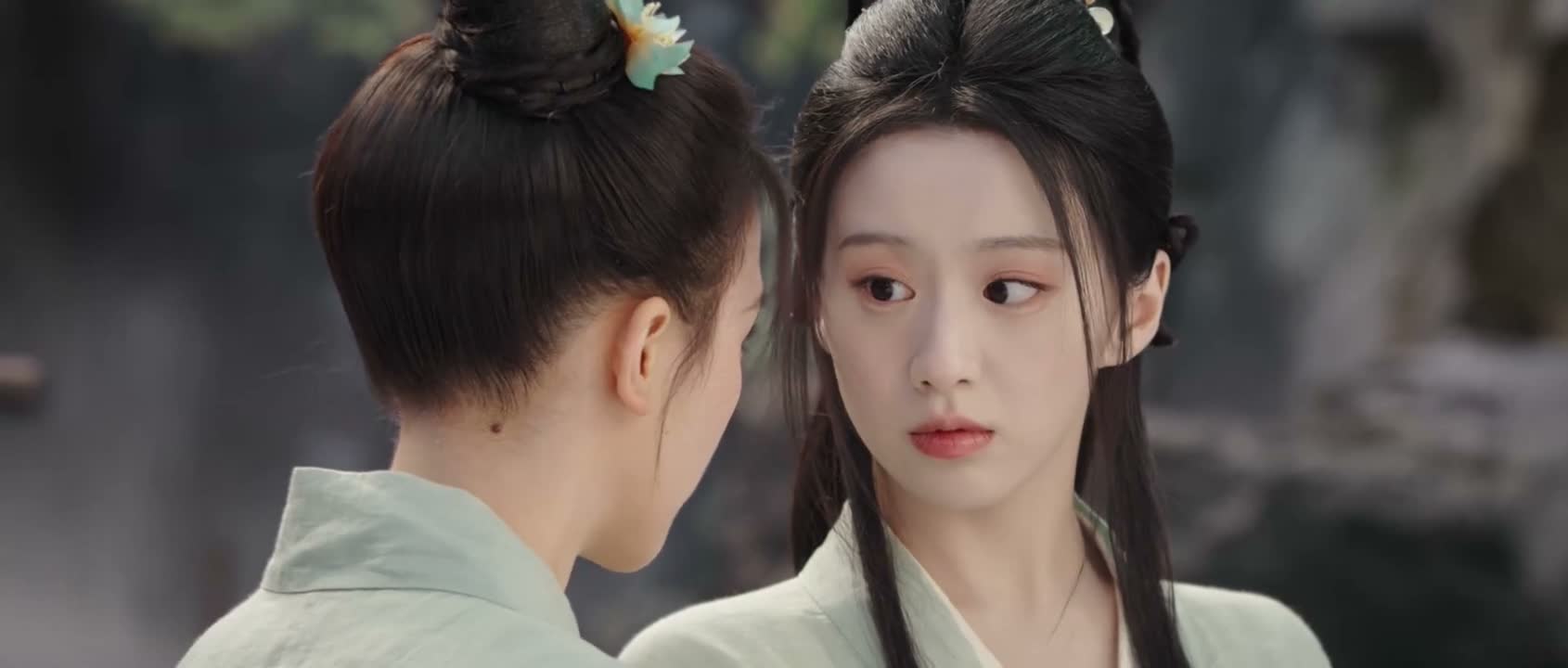
“he fights until one can't stand.”