怎么还整不好意思了
“Why is he being so shy now?”
THE DIALOGUE REEL
慢点 没事
“Take care. It's fine.”
怎么还 整不好意思 了
“Why is he being so shy now?”
走路不看路 你梦游呢
“Walking without watching where you're going. Are you sleepwalking?”
Direct spoken expression in this communicative setting.
Calling out someone's sudden shyness or awkwardness with colloquial regional verbs like '整' is a warm, disarming tactic used by Chinese speakers to break awkward silence.
LEARNING CHUNKS & PARTICLES
embarrassed / shy
Here used as an adjective describing a feeling of shyness or bashfulness rather than an apology.
make / end up becoming
A highly versatile Northeast Mandarin colloquial verb used here to mean 'end up being' or 'turn out'.
Indicates a newly emerged emotional state or change of mood.
VOCABULARY & EXPRESSIONS
Parallel Spoken Cinema Scenes (语义近邻切片)

“An apology won't solve the problem now.”

“Now you're making me blush.”

“I was really sorry about what happened last time.”
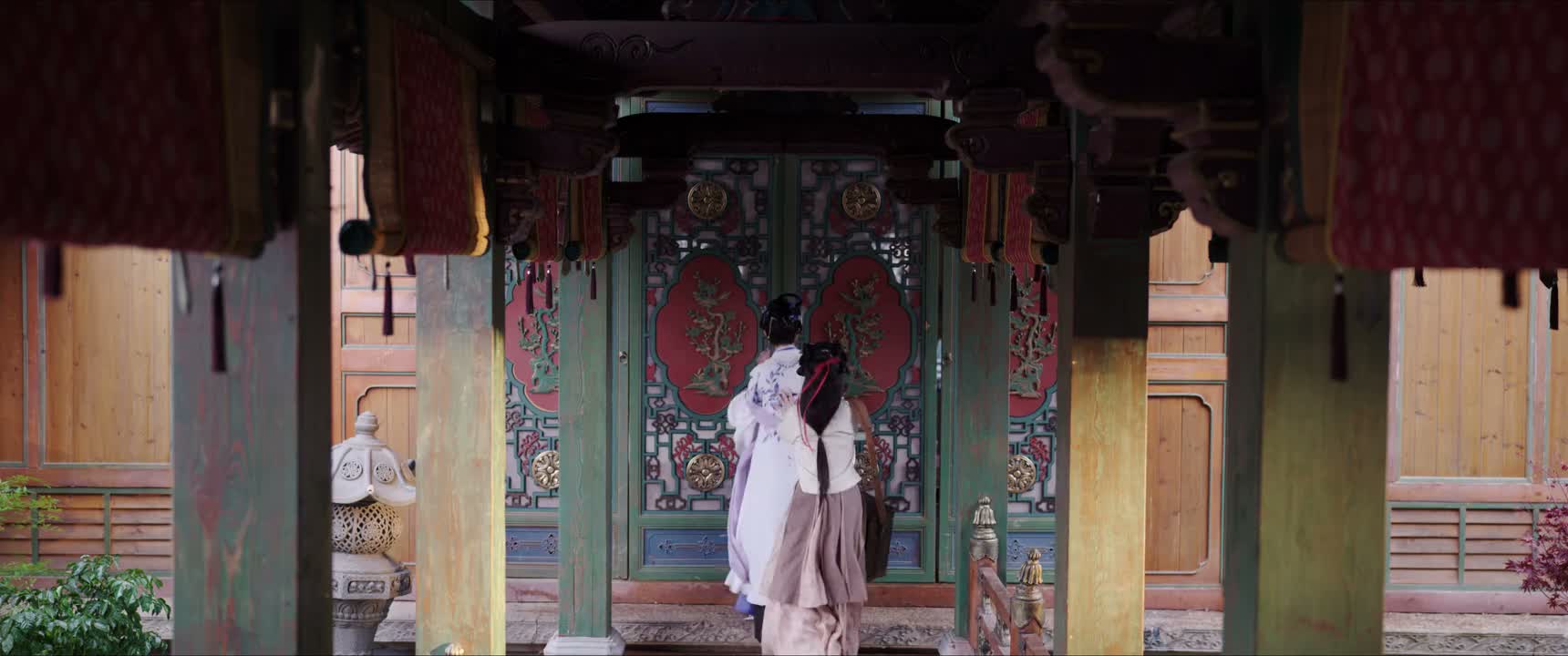
“Why are you being shy?”
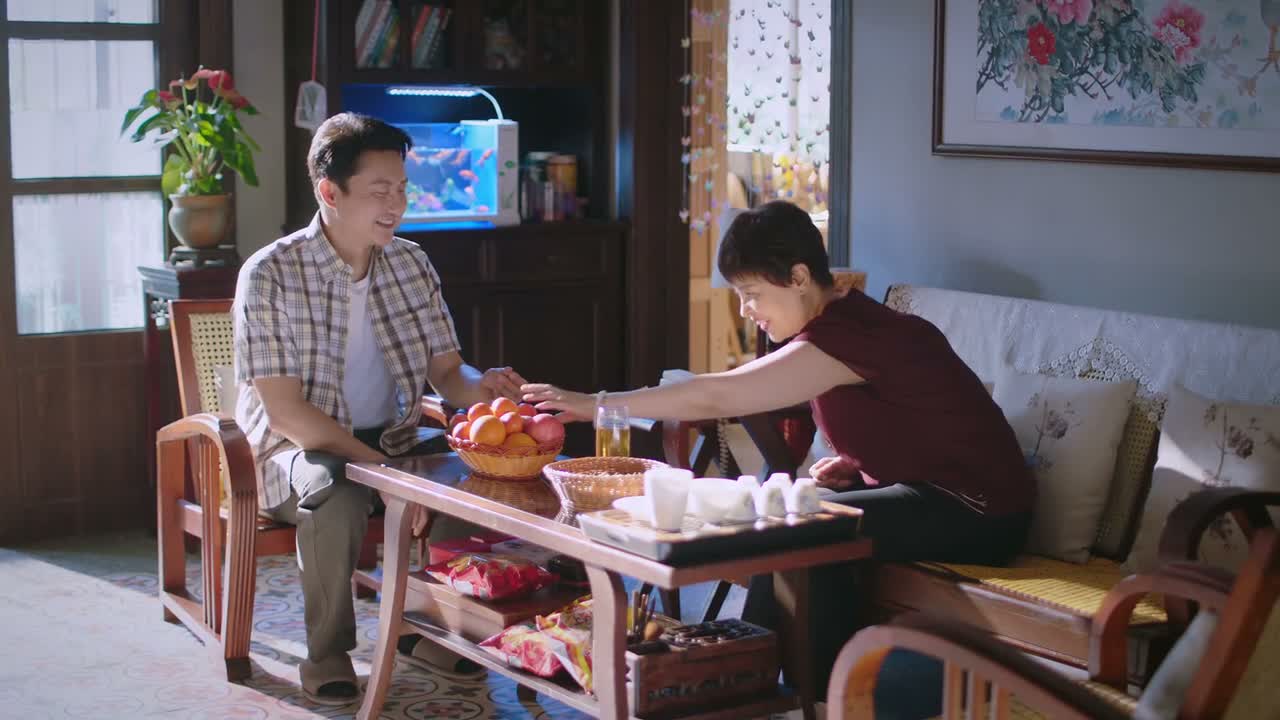
“You're being shy?”