MC
MandarinClips Cinema Corpus
《The Dream Maker》 S1·E34 (15:10) HSK 7
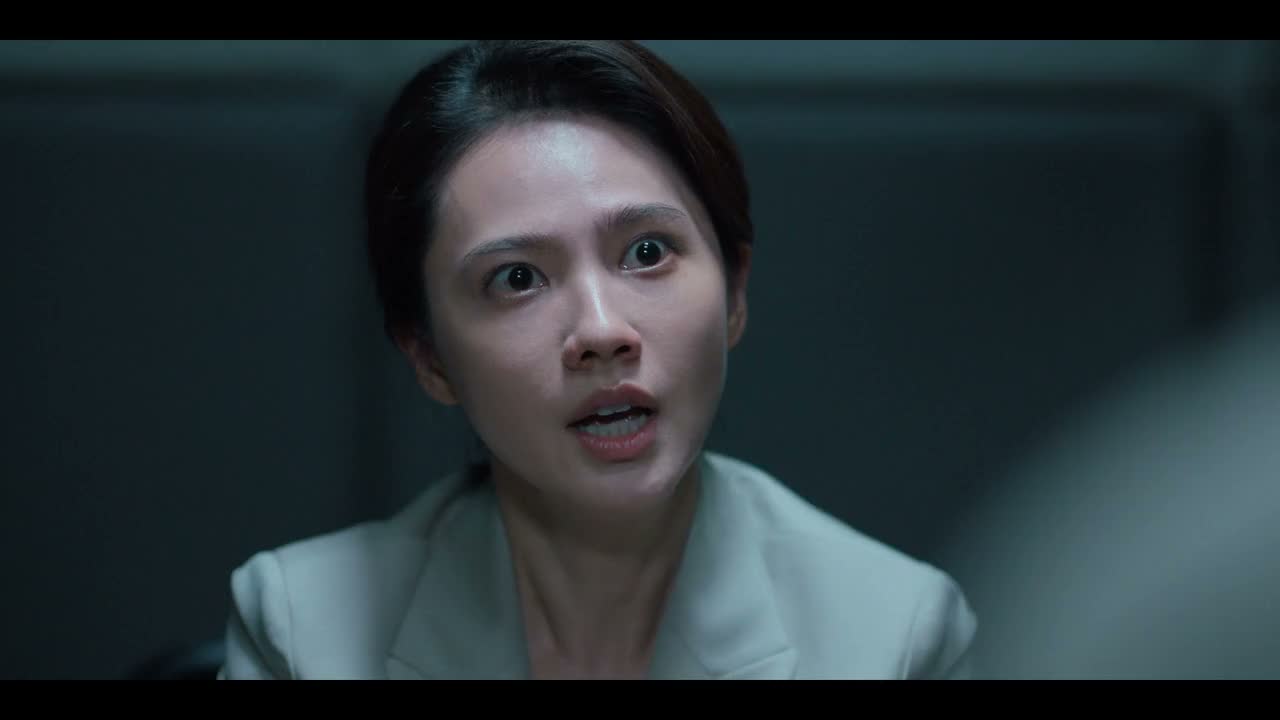
nǐ fēng le ba gāo xuě méi nǐ shì bú shì zài zhè ér gǎo shì qíng ne

你疯了吧 高雪梅 你是不是在这儿 搞事情呢

“Are you crazy? Are you trying to start a fight?”

《The Dream Maker》 S1·E34
TIMECODE: 15:10 · 1080P MASTER AUDIO

THE DIALOGUE REEL

1+1+1 SPOKEN CONTINUITY
[-1] PREVIOUS TURN nǐ shuō huà zhè me nán tīng a nǐ yǐ wéi zhè shì nǐ jiā a

“Why are you being so nasty? Look where you are!”

nǐ fēng le ba gāo xuě méi nǐ shì bú shì zài zhè ér gǎo shì qíng ne CURRENT FOCUS

你疯了吧 高雪梅 你 是不是 在这 儿 搞事情呢

“Are you crazy? Are you trying to start a fight?”

[+1] FOLLOW-UP TURN gàn má ne chū qù

干吗呢 出去

“Get out!”

Subtitles synced to millisecond timecode Browse Show Clips →
Scene: Crisis & Conflict
Function: REBUKING AND ACCUSING
Tone: AGGRESSIVE
Emotion: ANGER
WHAT THEY REALLY MEAN (PRAGMATIC SUBTEXT)
“You have crossed the line, stop making a scene and get lost!”
💡 Cultural Insight: Calling Out Troublemaking (搞事情)

Calling out someone for 'stirring up trouble' serves to seize moral high ground by framing the opponent as an unprovoked disruptor of social order.

INTENT TAGS: #accusation #confrontation #intimidation #rebuke
🧩

LEARNING CHUNKS & PARTICLES

2 CHUNKS · 2 PARTICLES
你疯了吧 SPOKEN CHUNK

Are you out of your mind?; Are you crazy?

A harsh spoken rhetorical question used in arguments to call out irrational behavior.

搞事情 SPOKEN CHUNK

stir up trouble; make a scene

Modern colloquial slang used to accuse someone of intentionally creating disruption or conflict.

Modal Particle「吧」 (ba) CHANGE OF STATE

Softens the question grammatically but adds an accusatory, rhetorical presumption in angry contexts.

Modal Particle「呢」 (ne) CHANGE OF STATE

Marks an ongoing action with a confrontational and questioning edge.
🏮

VOCABULARY & EXPRESSIONS

4 EXPR · 2 GRAMMAR
CROSS-CINEMA CORPUS BOARD · PARALLEL SCENES

Parallel Spoken Cinema Scenes (语义近邻切片)

EXPLORE BY SEMANTIC SIMILARITY
《The Dream Maker》 S1·E34 (15:10) · Authentic Cinema Dialogue Corpus