看看上面是什么态度
“to see what the higher-ups think about it.”
THE DIALOGUE REEL
“You talk to the leaders in the provincial government first”
看看 上面是 什么态度
“to see what the higher-ups think about it.”
这件事情我们已经 跟省委汇报过了 现在正在等待
“We've already reported it to the Provincial Party Committee and are now”
“Do not make any independent moves until we know how the top leadership wants to handle this.”
In hierarchical Chinese organizations, navigating policy hinges on understanding the 'attitude' of top leaders before taking initiatives to avoid political risk.
LEARNING CHUNKS & PARTICLES
higher authorities; superiors; top leadership
Ubiquitous in organizational and administrative contexts to refer to higher management or government tiers.
what the stance/attitude is
Used when probing how decision-makers view an issue before committing to a strategy.
VOCABULARY & EXPRESSIONS
Parallel Spoken Cinema Scenes (语义近邻切片)

“What's wrong with my attitude?”

“What kind of attitude is that?”
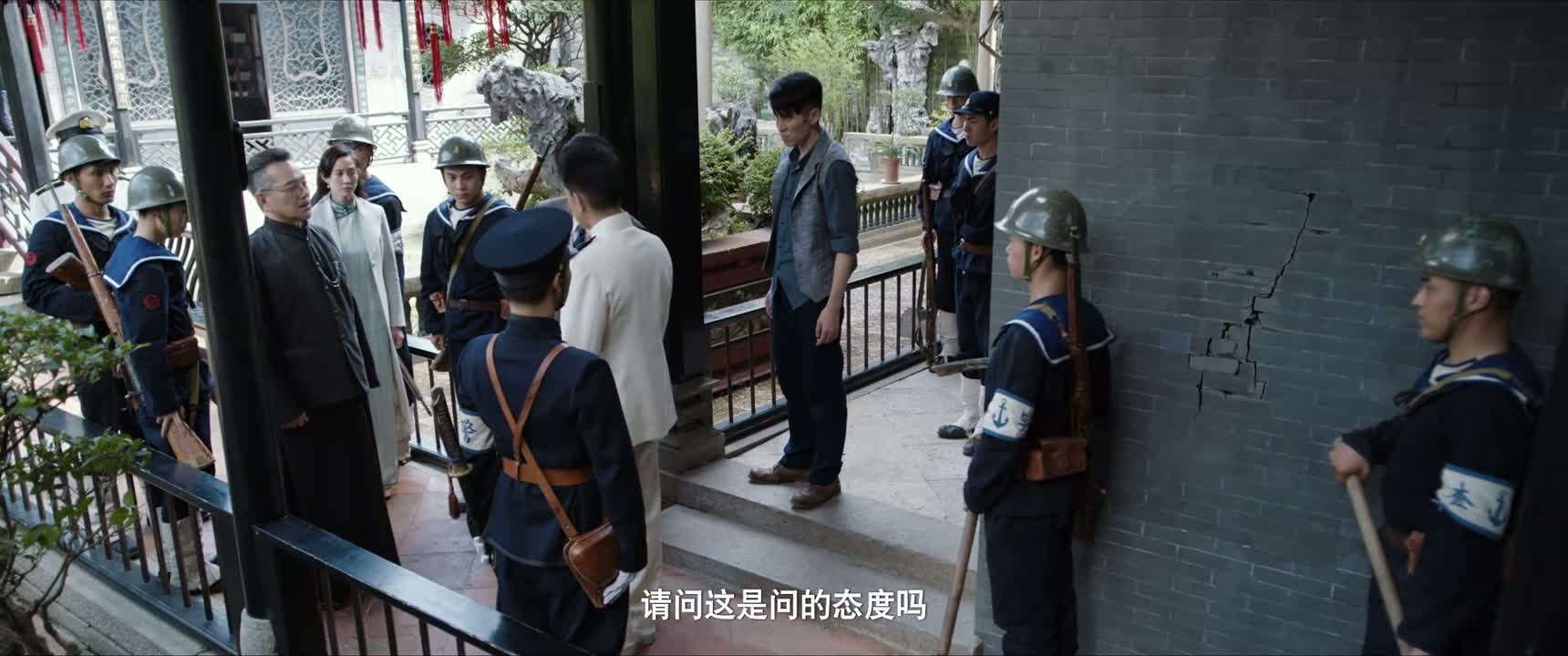
“Is this the attitude of an invitation?”

“The superiors haven't made a clear decision.”

“Isn't this my way of showing sincerity?”

“Did you do what the complaint says?”