让你们许主任给评评理
“we can go upstairs and ask Ms. Xu to judge.”
THE DIALOGUE REEL
“If you keep making a scene, we can go upstairs and ask Ms. Xu to judge.”
让你们许 主任 给 评评理
“we can go upstairs and ask Ms. Xu to judge.”
你们要没别的事 我先上去了 凌漪
“If that's all, I'm heading up. Ling Yi.”
“You think you're right? Let's take this to your boss and see who really has a problem.”
In Chinese work environments, invoking a higher-ranking leader (主任/领导) as an arbiter is a standard escalation tactic during conflicts to enforce accountability and expose unreasonable behavior.
LEARNING CHUNKS & PARTICLES
judge who is right; arbitrate
Used when invoking a neutral third party to evaluate fairness during an argument.
VOCABULARY & EXPRESSIONS
Parallel Spoken Cinema Scenes (语义近邻切片)

“Who will judge this for us?”

“Why don't we go ask him to judge?”
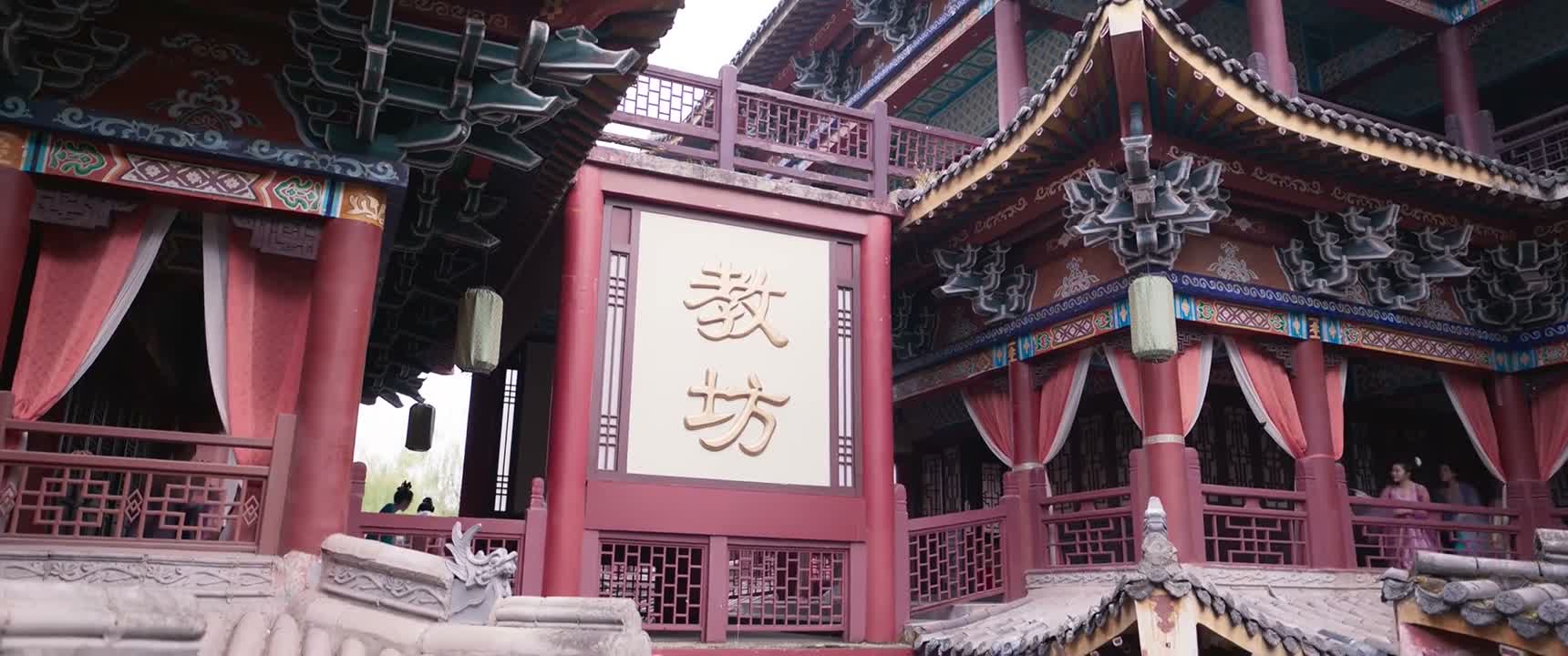
“Everyone, judge this for me.”

“I deserve some justice.”

“Let me tell you the situation. Since Ms. Xu said”

“Thank you, Ms. Xu. You're welcome.”