这不就是凌漪这篇文章吗
“Isn't this the same article Ling Yi published?”
THE DIALOGUE REEL
在报社一楼的垃圾桶里面找到的
“digging this out of the trash on the first floor.”
这不就是 凌漪这篇文章 吗
“Isn't this the same article Ling Yi published?”
这字体是谁的 是我的
“Whose handwriting is this? Mine.”
“Wait a minute, this is Ling Yi's article—why was it thrown in the trash, and whose handwriting is this?”
Using negative rhetorical questions like '这不就是...吗' allows Chinese speakers to express strong certainty while inviting immediate agreement or explanation.
LEARNING CHUNKS & PARTICLES
isn't this precisely / isn't this none other than
A common rhetorical structure used to confirm an unexpected realization or recognize something instantly.
Forms a rhetorical question confirming a surprising realization.
VOCABULARY & EXPRESSIONS
Parallel Spoken Cinema Scenes (语义近邻切片)

“look at what Ling Yi wrote.”

“did you hear what Ling Yi said?”

“Ling Yi has a moral conduct issue?”
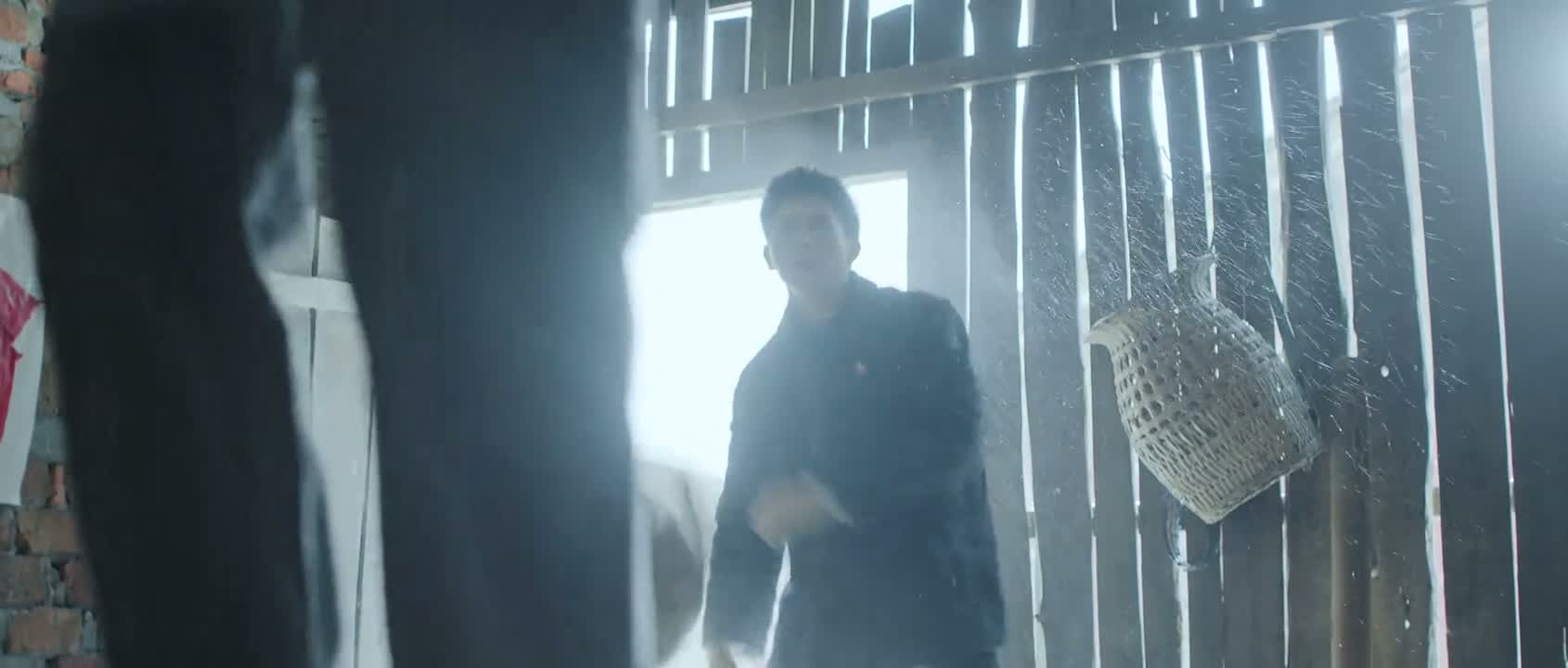
“Ling Yi, what are you doing?”

“Ling Yi, you're morally corrupt. Don't contact me again.”

“Comrade Ling Yi, if it puts you in a difficult position,”