人哪 贵有自知之明
“People should know their own limits.”
THE DIALOGUE REEL
说气话伤身体
“It's bad for your health.”
人哪 贵 有自知之明
“People should know their own limits.”
都一把老骨头了
“He's just an old man.”
“You don't know your own limits, stop embarrassing yourself.”
In Chinese moral philosophy, recognizing one's own limits and station is seen as essential for social harmony; citing this proverb often serves as an indirect put-down.
LEARNING CHUNKS & PARTICLES
self-knowledge; knowing one's own limitations
A formal idiom commonly paired with 贵有 to evaluate whether someone is aware of their flaws or limits.
the most valuable thing is; what counts is
Used to emphasize the primary virtue or crucial element of a situation.
Functions as a topic marker with a slight pause, adding an air of philosophical musing or condescending lecture.
VOCABULARY & EXPRESSIONS
Parallel Spoken Cinema Scenes (语义近邻切片)

“A person should take the right path.”

“People, you know, shouldn't just pursue material things.”

“That won't do. Give that to me.”
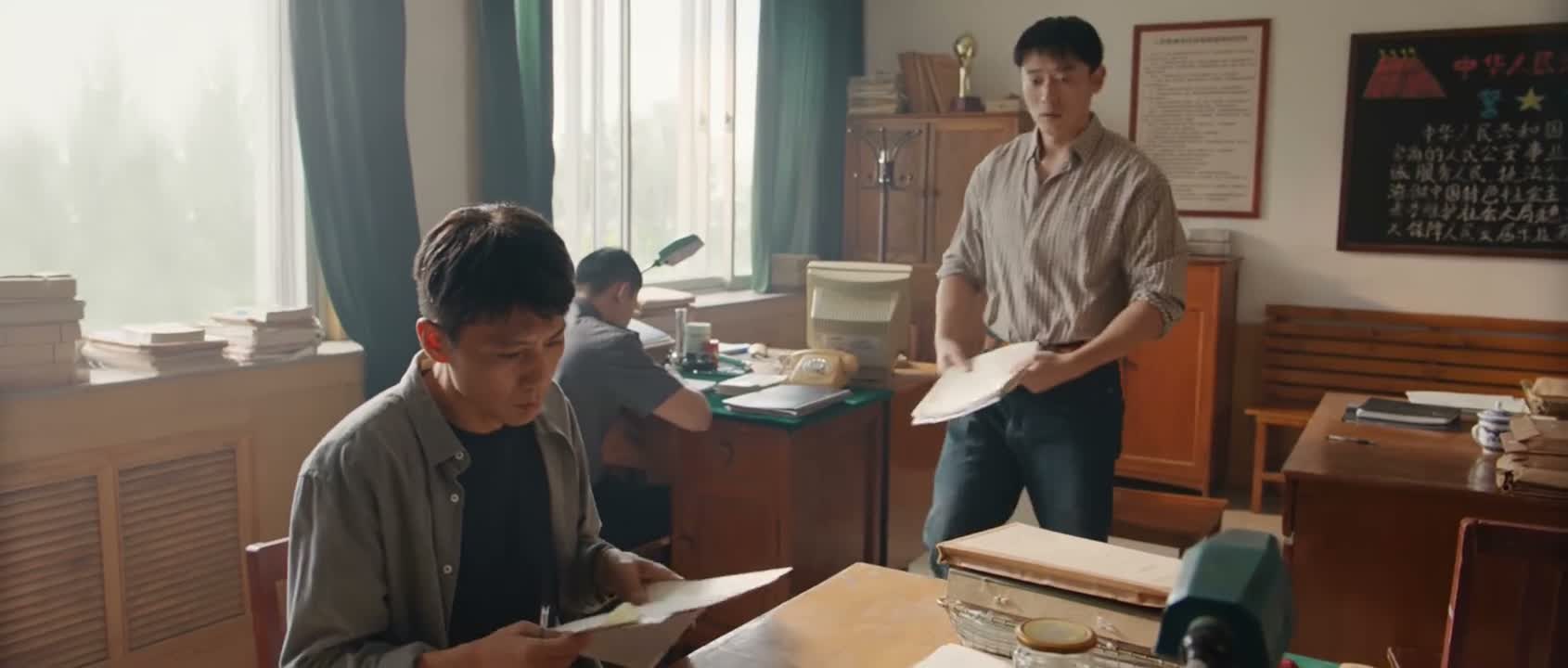
“I can't believe them.”

“Where did you get so much money? I earned it myself!”

“You gotta save where you can.”