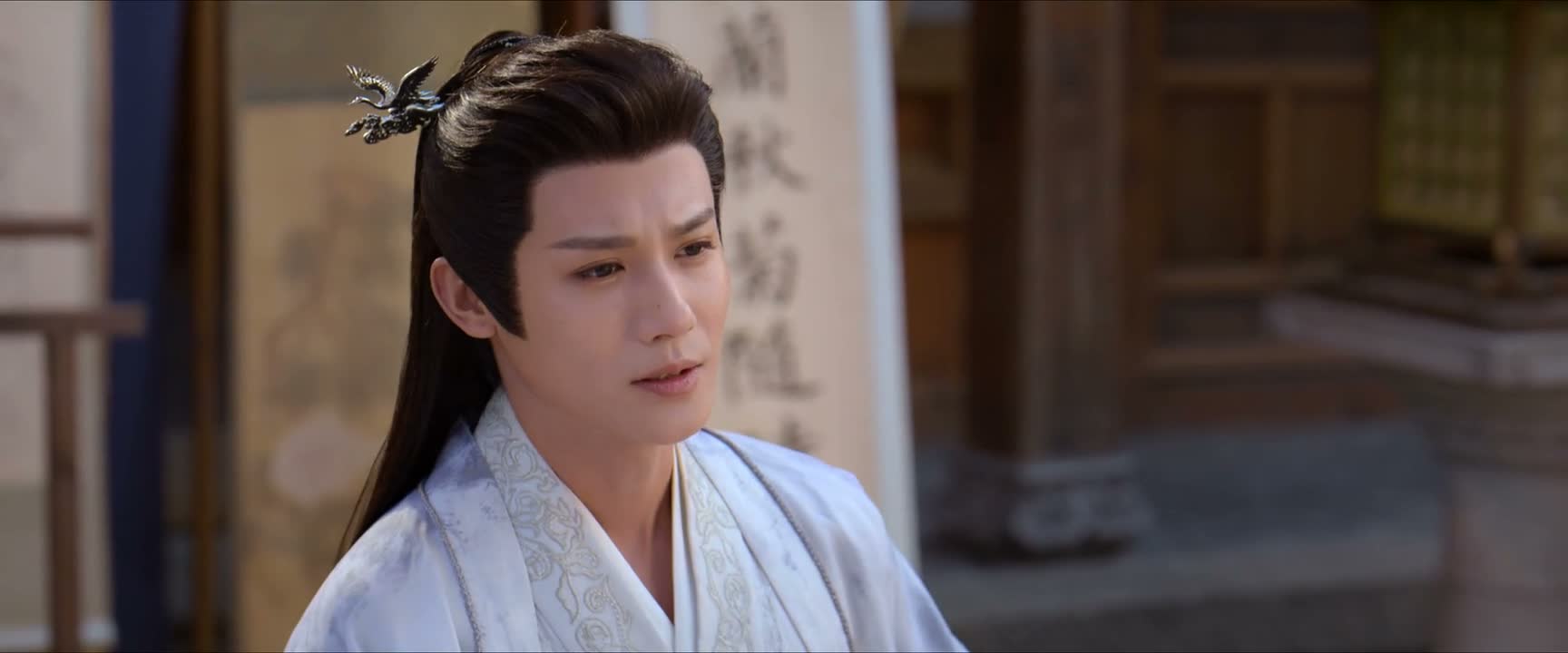
应该是来寻故人的吧
“to look for an old acquaintance.”
THE DIALOGUE REEL
看姑娘此次来长湘
“Miss, I guess you came to Changxiang this time”
应该是 来 寻故人 的 吧
“to look for an old acquaintance.”
可惜呀 可惜 上穷碧落下黄泉 两处茫茫
“What a pity. "Searching high and low, you cannot find them”
“I already know why you are really here, and I know something about the person you are looking for.”
Rather than asking blunt questions about a stranger's private affairs, speakers often frame their inquiries as gentle speculations using '应该是...吧' to show perceptiveness without seeming overly intrusive.
LEARNING CHUNKS & PARTICLES
must be... right? / probably...
A classic framing structure used to make a polite, tentative deduction while inviting confirmation from the listener.
to look for an old acquaintance or loved one
A literary and slightly poetic expression; in modern spoken Chinese, people usually say '找老朋友'.
Marks speculative certainty—it softens a sharp deduction into a polite supposition seeking confirmation.
VOCABULARY & EXPRESSIONS
Parallel Spoken Cinema Scenes (语义近邻切片)

“But they have already gone.”

“And now you dared to come here?”
“So you can't find him.”

“come to me.”

“You know why we're here for you, right?”

“The path you came from is unseen,”