这结局不是你自己选的吗
“Isn't this the ending you chose yourself?”
THE DIALOGUE REEL
为什么非要去南洋
“Why did you insist on going to Nanyang?”
这结局 不是 你 自己选的 吗
“Isn't this the ending you chose yourself?”
如果你杀了我
“If killing me”
“Don't blame me—you brought this entirely on yourself.”
Historically in modern Chinese drama and history, 'going to Nanyang' represents fleeing mainland turmoil to start over in Southeast Asia.
LEARNING CHUNKS & PARTICLES
isn't it...? (rhetorical question)
Use this frame to form a pointed rhetorical question when reminding someone of an obvious fact or accusing them.
ending; final outcome
Used for both the conclusion of a story and the final result of a real-life situation.
Forms a rhetorical question when paired with '不是', turning the sentence into a sharp accusation rather than a genuine inquiry.
VOCABULARY & EXPRESSIONS
Parallel Spoken Cinema Scenes (语义近邻切片)

“This isn't how your story ends in the book.”

“I just want this ending!”
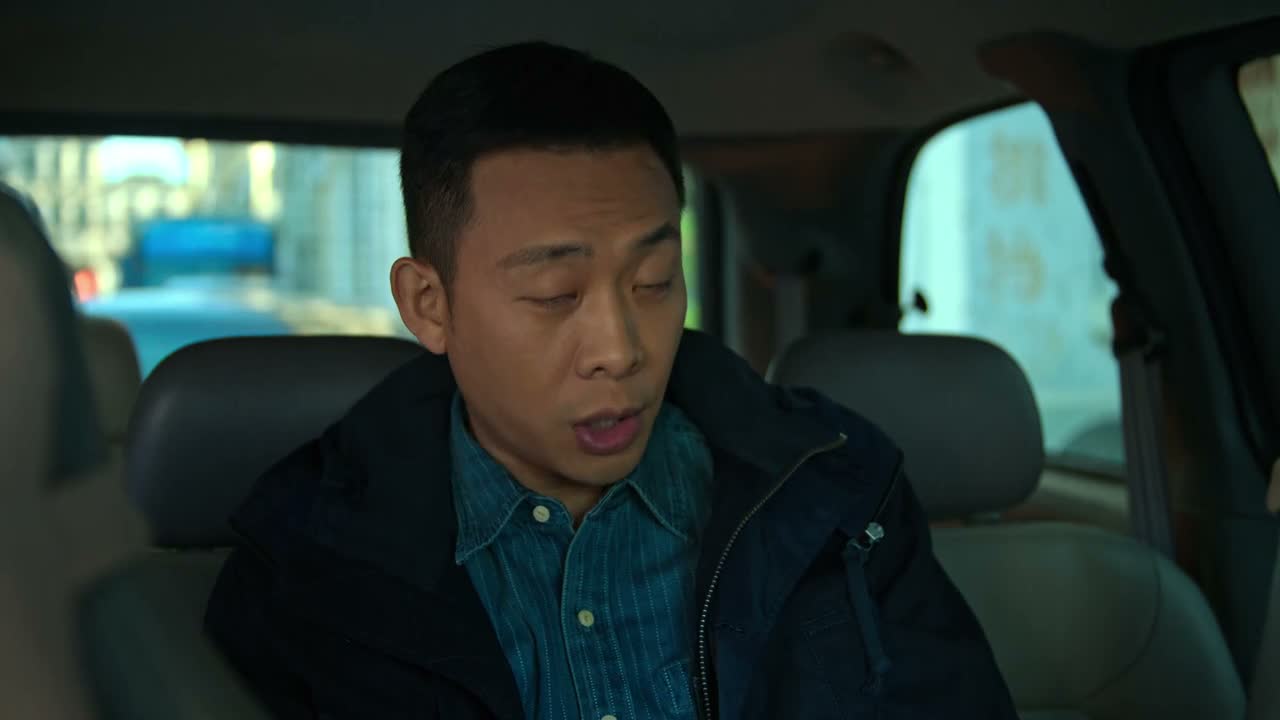
“The rest depends on him.”

“It's the last outcome I ever wished to see.”

“And it's also the outcome I least wanted to see.”

“The final decision is yours.”