凯哥跟你喝得着吗 跟你喝
“Why would Kai drink with you? Why would...”
THE DIALOGUE REEL
“You think that crutch makes you tough?”
凯哥跟 你喝 得着吗 跟 你喝
“Why would Kai drink with you? Why would...”
松开
“Let go.”
“You are way beneath Brother Kai's league; who do you think you are asking him to drink with you?”
In Chinese banquet culture, clinking glasses and drinking together signifies mutual respect and acknowledgment. Refusing a toast or claiming someone isn't qualified to drink with you is a severe public attack on their 'Mianzi' (face).
LEARNING CHUNKS & PARTICLES
is there any reason/qualification to drink together?
A colloquial potential complement ('verb + 得着') used rhetorically to mean 'not worthy of' or 'have no business doing something'.
Forms a sharp rhetorical question that implies a strong negative answer ('definitely not').
VOCABULARY & EXPRESSIONS
Parallel Spoken Cinema Scenes (语义近邻切片)

“-Kai! -Kai! Kai, are you okay? Hit him!”
“”

“Listen to me.”

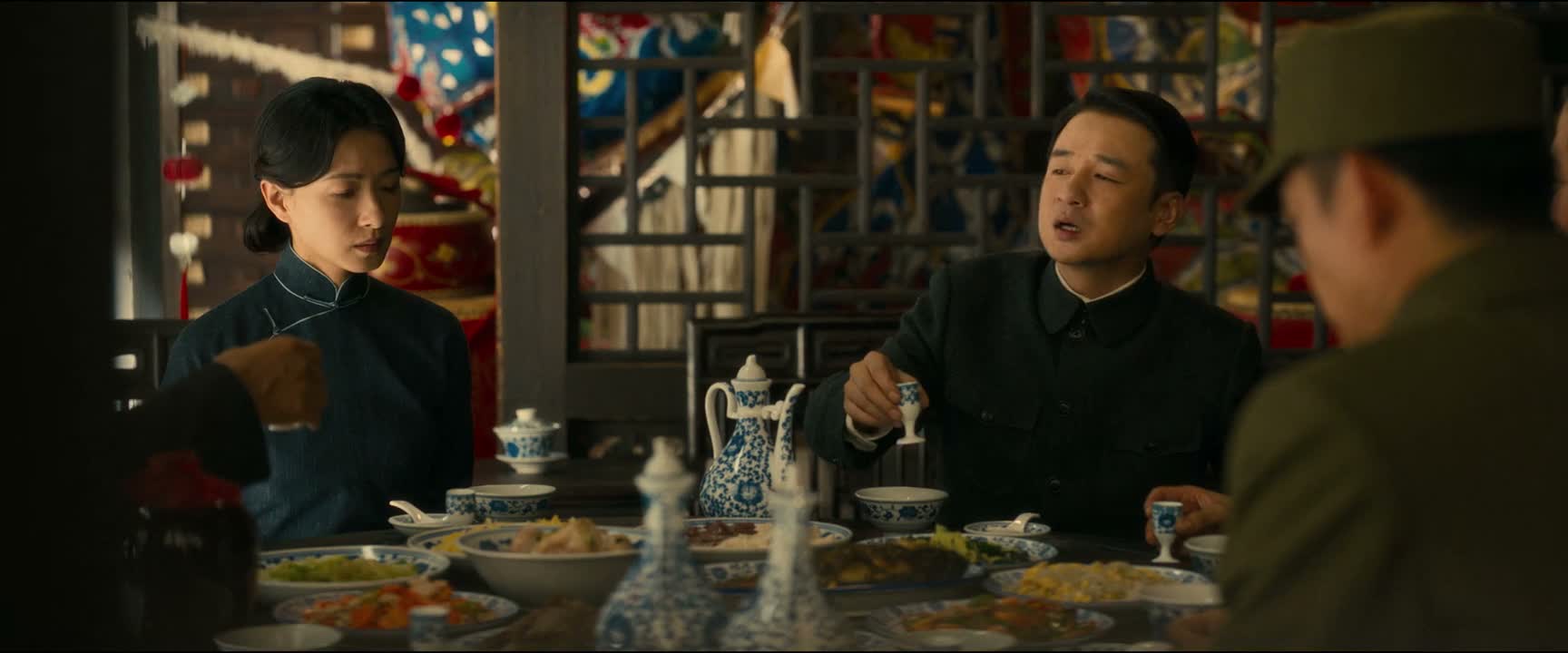
“It's been ages since the three of us got together. Why are you drinking tea? Switch to wine.”
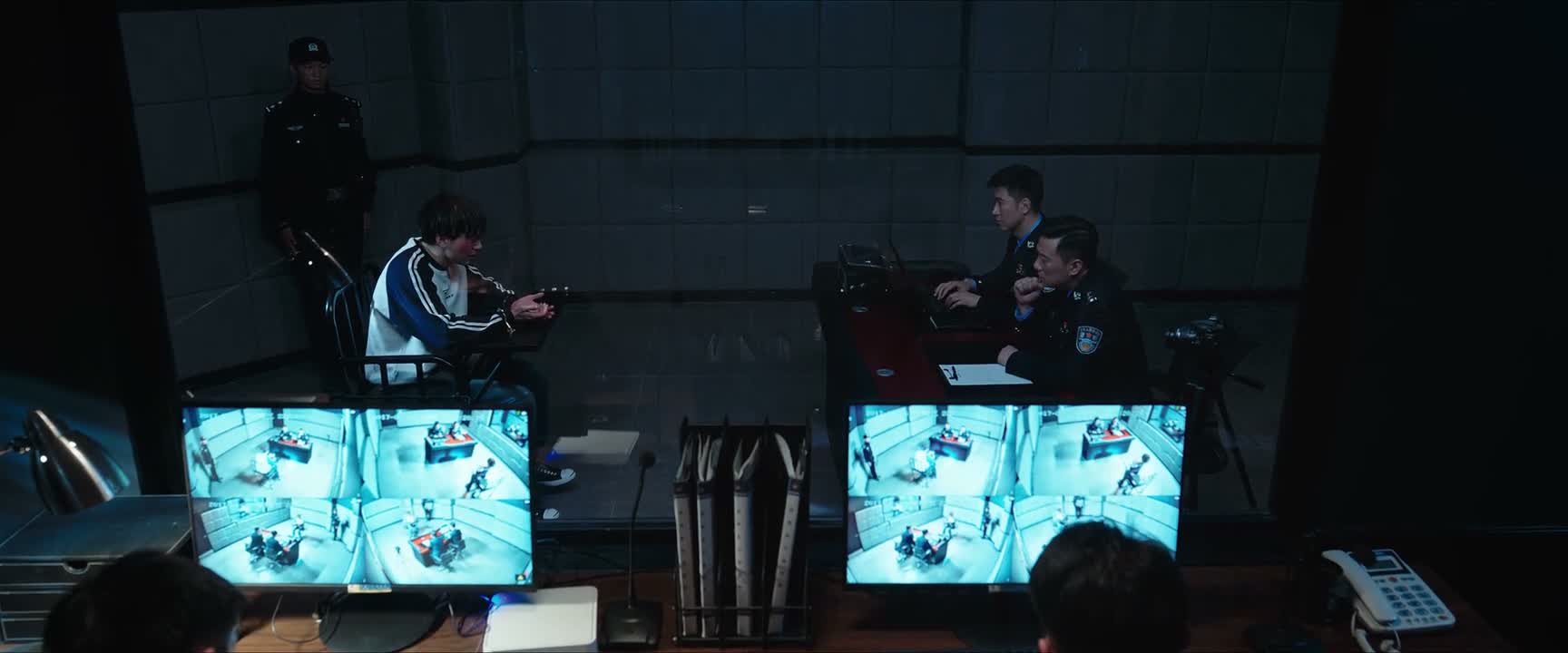
“Lai got angry when he heard this, and told her not to do things the hard way.”

“Do you think this will really work?”