说什么呢 喝多了吧
“What are you talking about? Are you drunk?”
THE DIALOGUE REEL
我不等了
“I won't wait.”
说什么呢 喝多了 吧
“What are you talking about? Are you drunk?”
走了
“I'm leaving.”
“Don't say things like that right now; I'm going to pretend you're just talking nonsense because you're tipsy.”
In Chinese social interactions, blaming a tense or overly honest remark on 'drinking too much' is a classic way to offer a face-saving exit (taijie) when someone crosses an emotional boundary.
LEARNING CHUNKS & PARTICLES
What are you talking about?; Don't talk nonsense.
Used to lightly scold someone or brush off a remark that is awkward, overly sentimental, or inappropriate.
to have drunk too much; to be tipsy/drunk
The most natural, everyday way to say someone is drunk, often used as an excuse for someone speaking out of turn.
Adds an ongoing, slightly reproachful tone to the question, implying 'what is this nonsense you are saying right now?'
Expresses a strong supposition or rhetorical guess ('you must be...'), softening the accusation of being drunk.
VOCABULARY & EXPRESSIONS
Parallel Spoken Cinema Scenes (语义近邻切片)
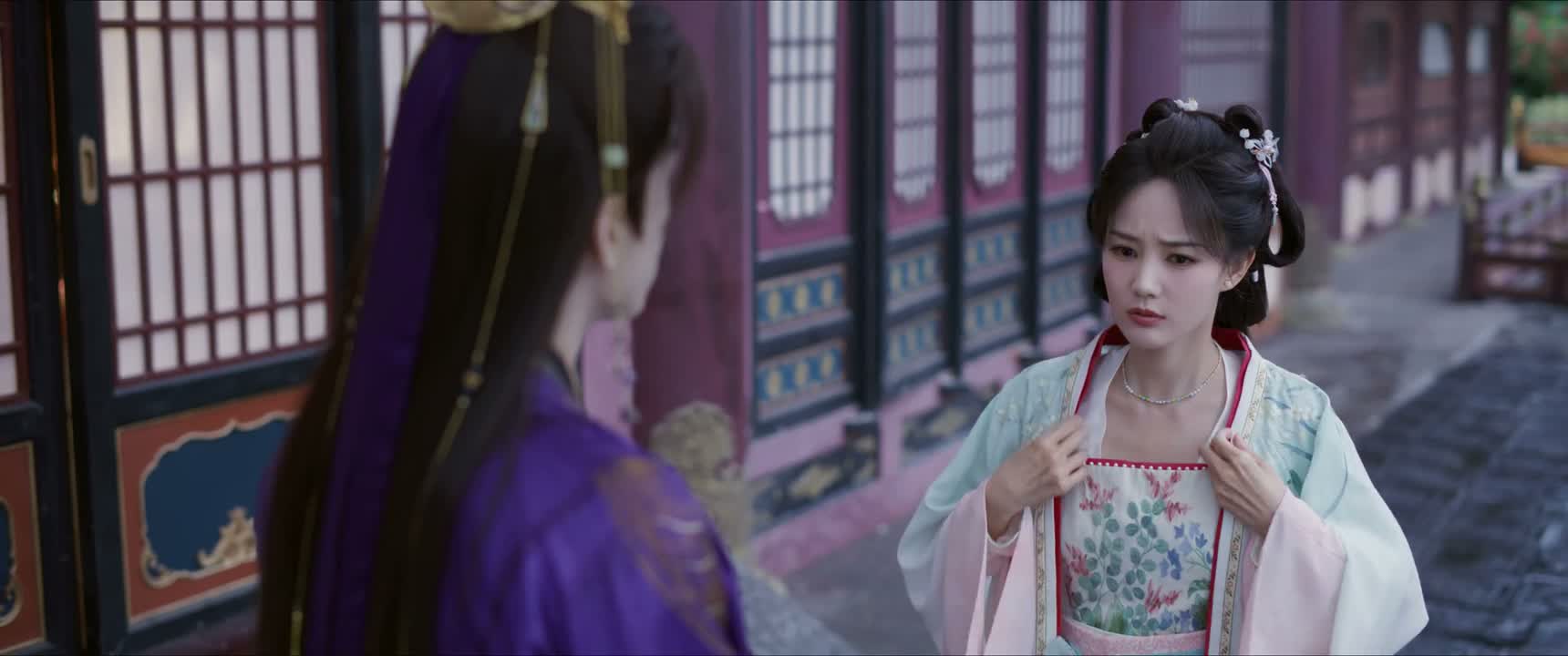
“What are you talking about?”

“No wonder!”

“but once he's drunk, all he talks about is you.”
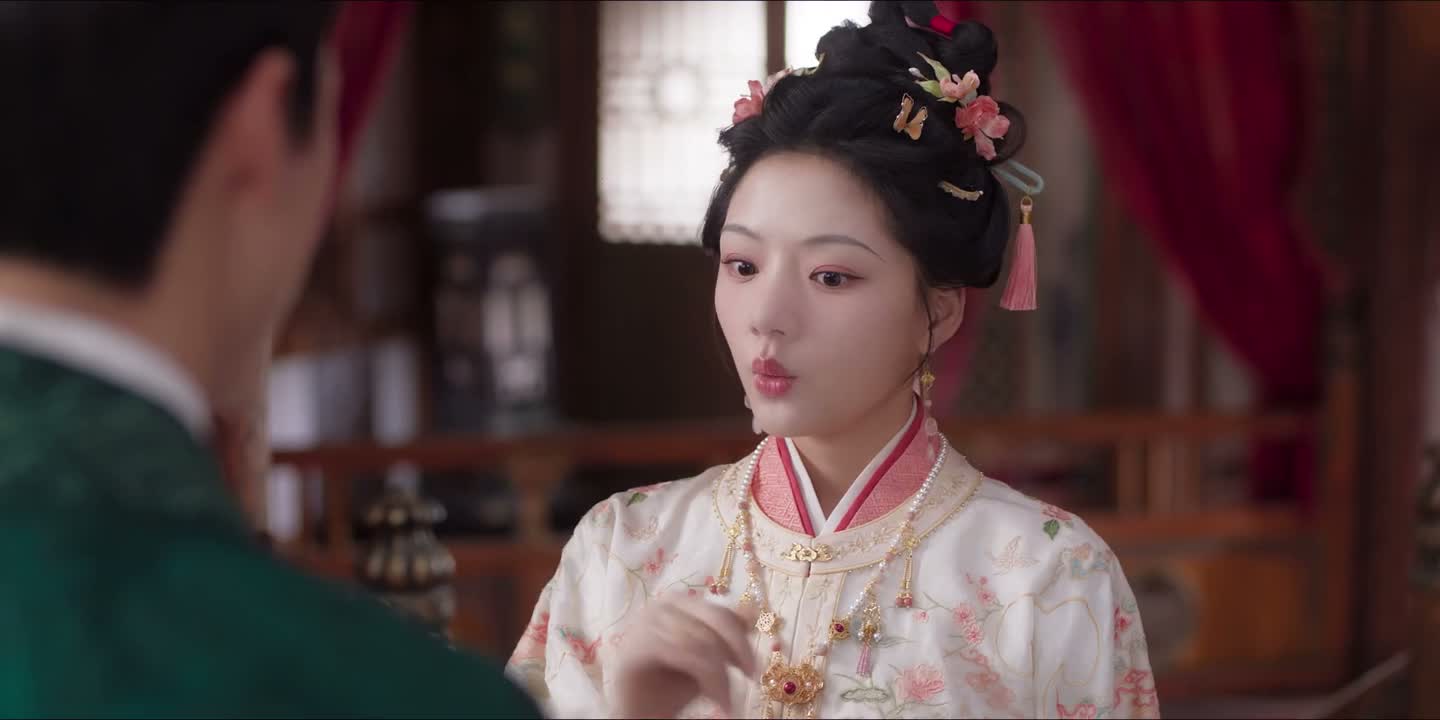
“As for me, I didn't drink too much.”
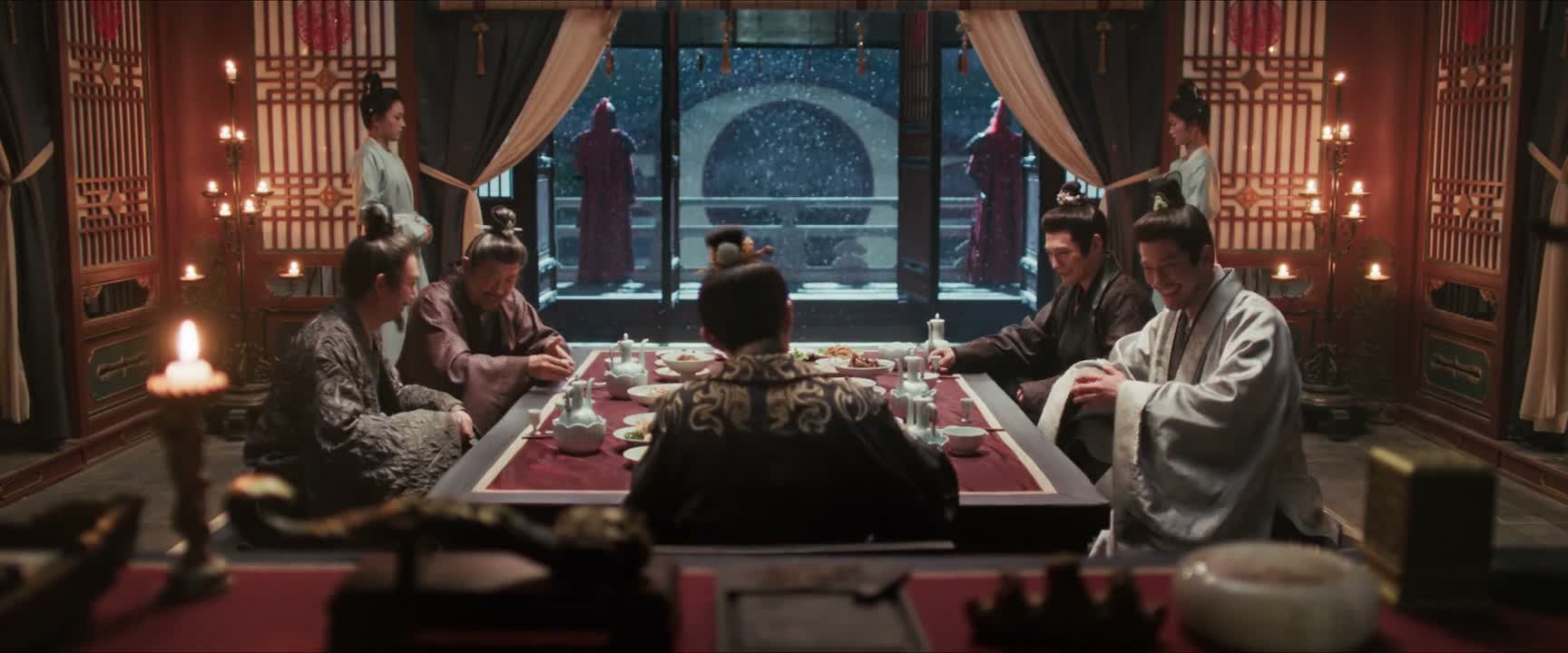
“-Let’s drink. -We'll have our share.”
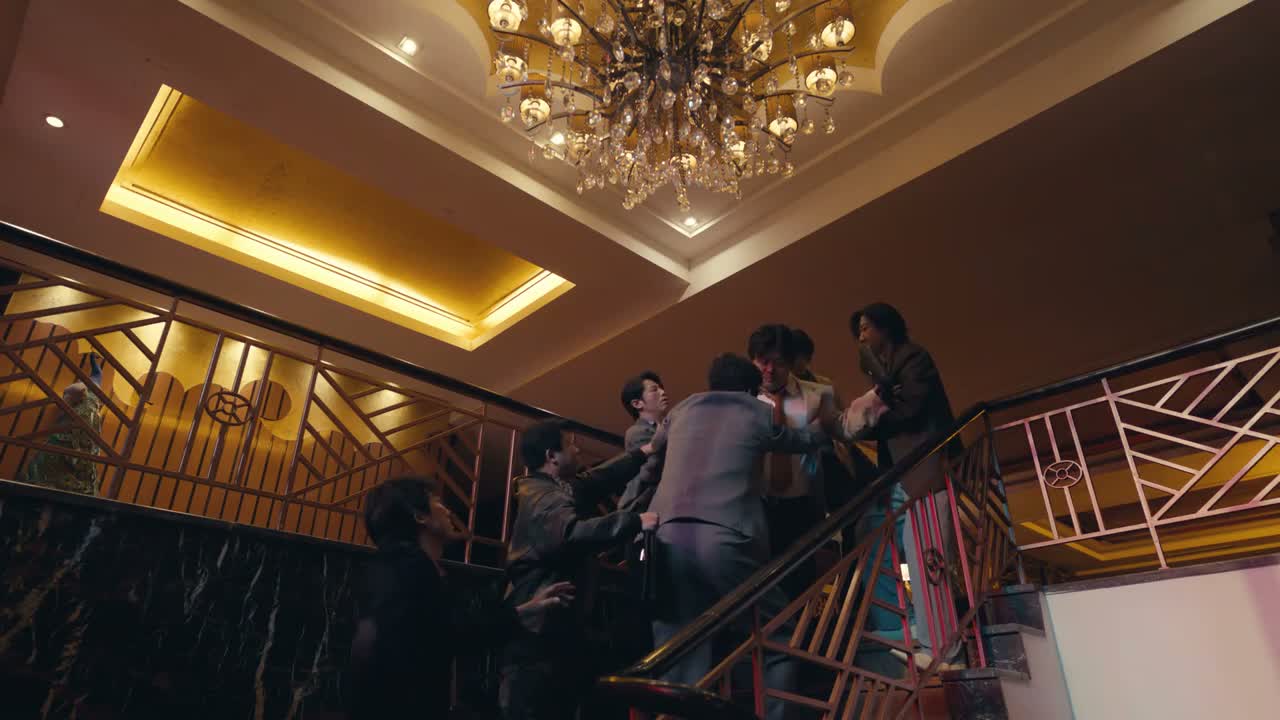
“See? You're drunk. Well...”