要怪就怪你自己命不好吧
“Blame your own bad luck for that.”
THE DIALOGUE REEL
还挺押韵
“It even rhymes.”
要怪就怪 你 自己 命不好 吧
“Blame your own bad luck for that.”
再睡一会儿 不睡了
“Let me sleep a bit longer. Come on.”
“Stop complaining to me; you just have bad luck.”
Invoking 'fate' (命) in casual Chinese conversation is often a lighthearted way to deflect responsibility or console someone playfully when dealing with unavoidable minor bad luck.
LEARNING CHUNKS & PARTICLES
if anyone is to blame, blame...
A set rhetorical pattern used to assign ultimate fault or playfully shrug off blame.
to have bad luck / unfortunate fate
Frequently used both seriously and jokingly to chalk up inconveniences to bad luck.
Softens the assertion into a casual, resigned, or teasing conclusion.
VOCABULARY & EXPRESSIONS
Parallel Spoken Cinema Scenes (语义近邻切片)

“Then blame yourself”
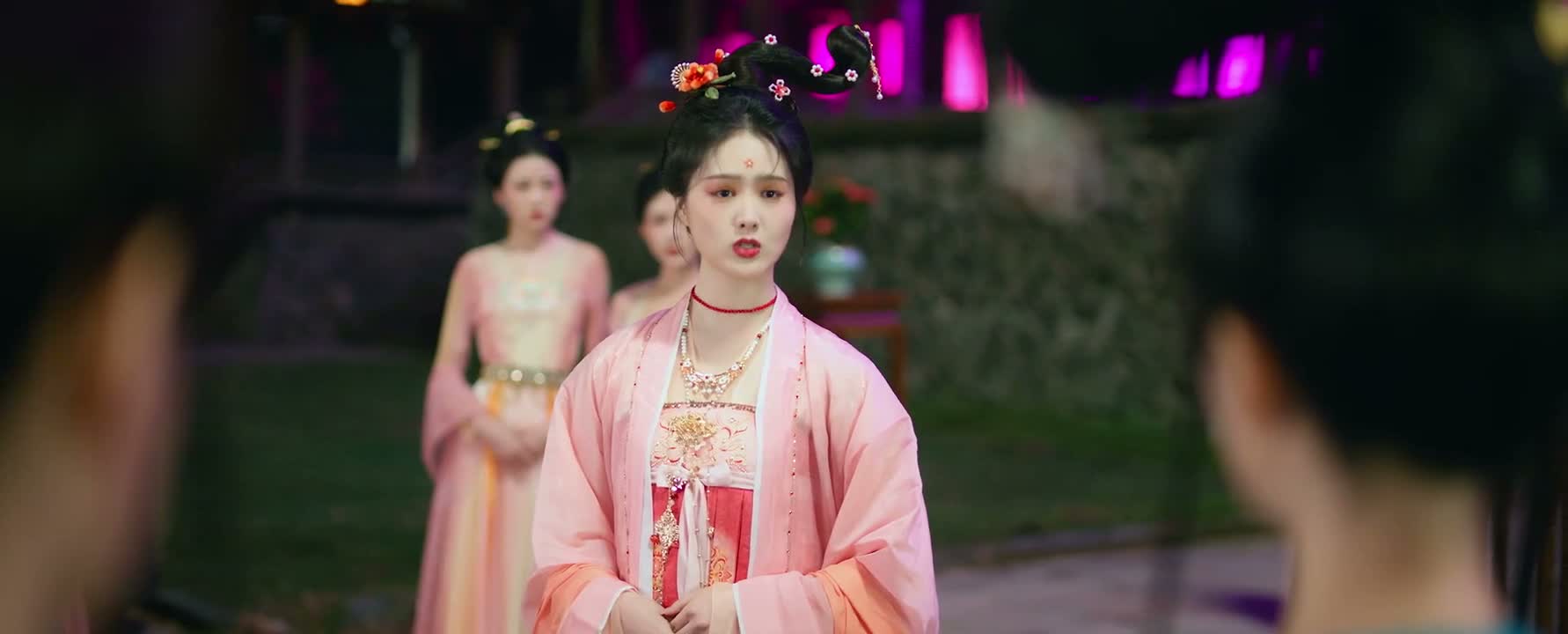
“Then you can only consider yourself unlucky.”
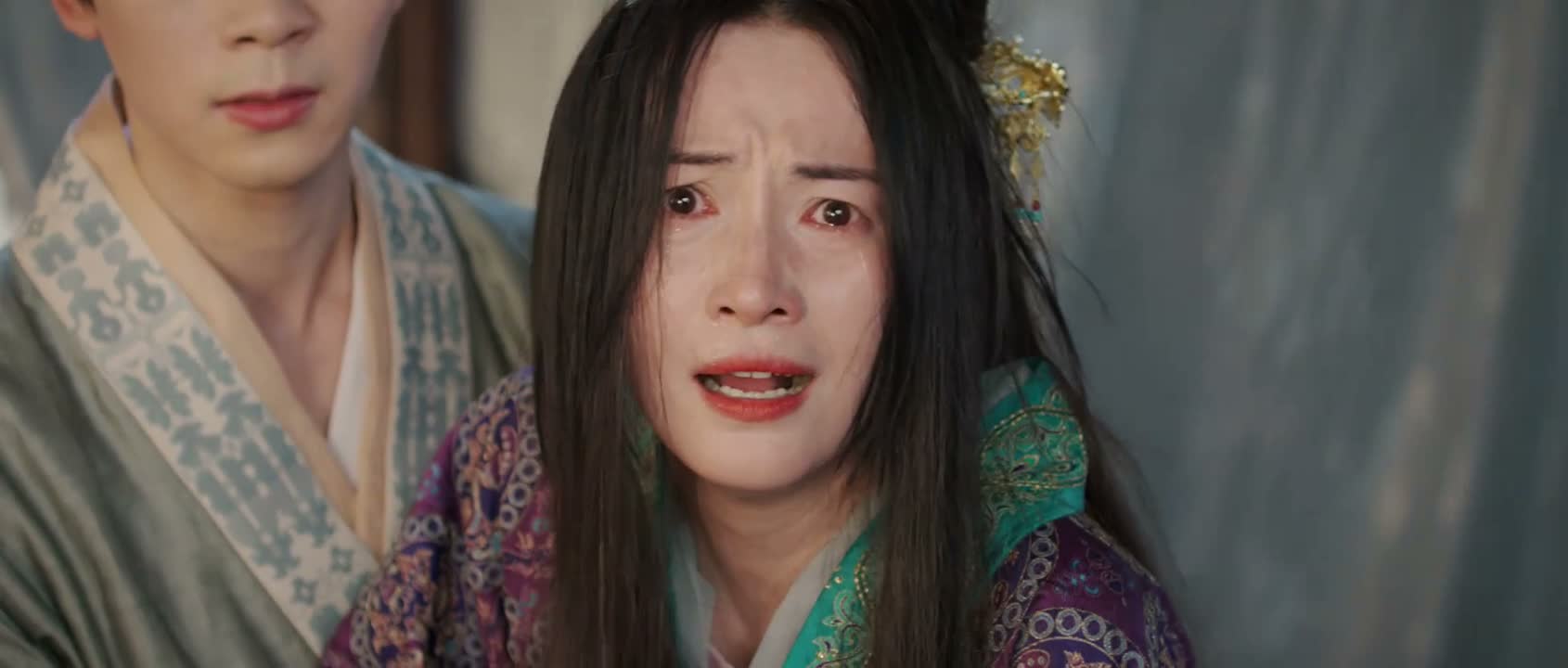
“blame her bad fate”

“then blame fate. Am I right?”