你敢说父皇错了吗
“You dare say he was wrong?”
THE DIALOGUE REEL
这都是父皇教的
“Father taught me that.”
你敢说 父皇 错了吗
“You dare say he was wrong?”
你敢吗
“Do you dare?”
“If you criticize me, you are criticizing the Emperor himself—and you wouldn't dare commit treason.”
In dynastic China, the Emperor was the 'Son of Heaven' whose word was law; accusing him of a mistake was both unfilial for a royal child and a capital offense of lèse-majesté.
LEARNING CHUNKS & PARTICLES
do you dare; how dare you
Used in confrontations to challenge someone's courage or warn them against crossing a line.
Imperial Father
Exclusively used in historical dramas by princes and princesses when addressing or referring to their father, the Emperor.
Marks the state or realization of being wrong as an established fact under debate.
Forms a challenging rhetorical question designed to trap the listener.
VOCABULARY & EXPRESSIONS
Parallel Spoken Cinema Scenes (语义近邻切片)

“Your father has many sons.”

“So it was you, Father.”

“Now you're acting like a proper father.”
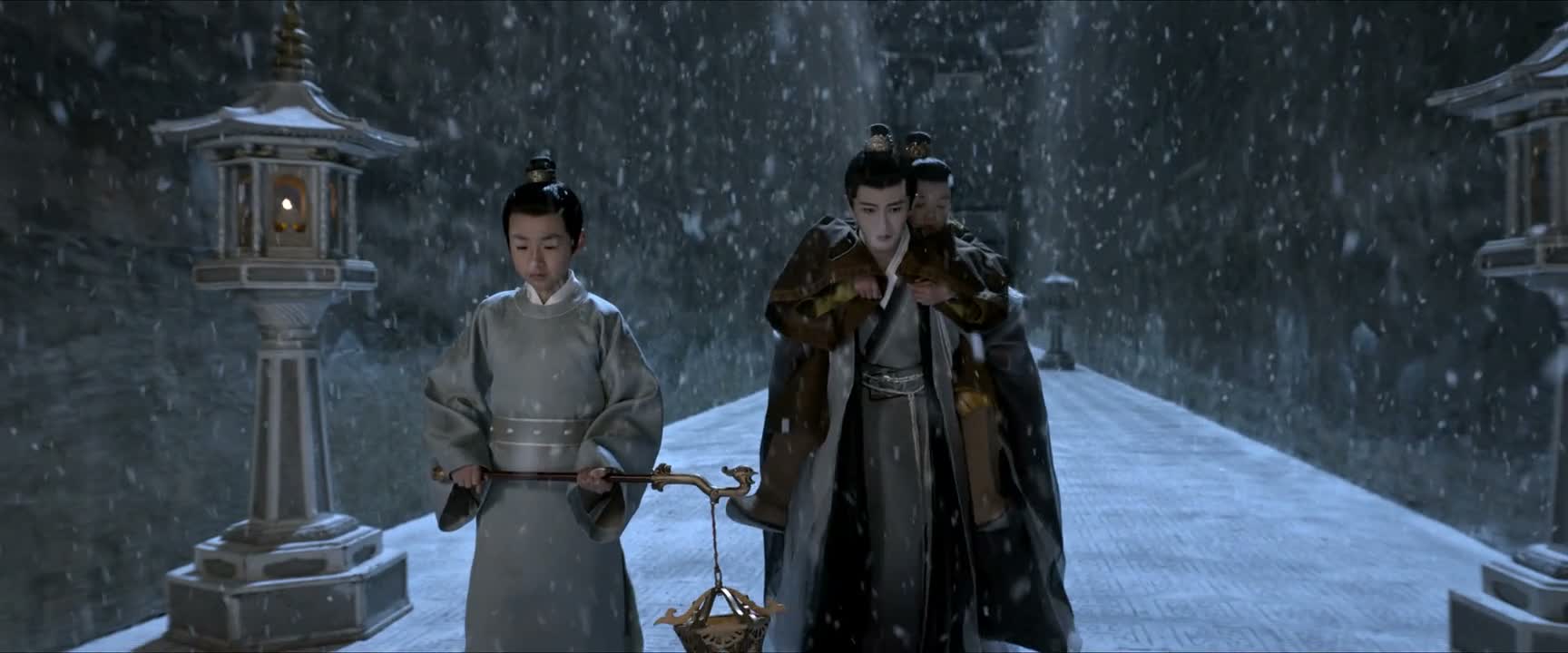
“Am I Father's child?”

“I'm sorry to worry you, Father.”

“Does my Father know your visit?”