你们有在乎过她的死活吗
“Did you ever care about her?”
THE DIALOGUE REEL
“Even when she was on her deathbed, breathing her last.”
你们有 在乎过 她的 死活 吗
“Did you ever care about her?”
阿娘
“Mom!”
“You never cared about her at all; you left her to die!”
In intense emotional arguments, Chinese speakers frequently use rhetorical questions about extreme states (like life and death) to guilt-trip or morally condemn family members for failing their familial duties.
LEARNING CHUNKS & PARTICLES
to care about; to mind
Very common in spoken Chinese to express emotional investment or concern about someone or something.
life or death; fate; well-being
Often used in negative or rhetorical contexts (like 'not caring about someone's life or death') to emphasize extreme neglect or stubbornness.
Turns the statement into a rhetorical question, sharpening the accusation and emotional weight.
VOCABULARY & EXPRESSIONS
Parallel Spoken Cinema Scenes (语义近邻切片)

“You'd better hope she is.”

“She thought you were dead”

“Even after she died, you still wouldn't let her go.”
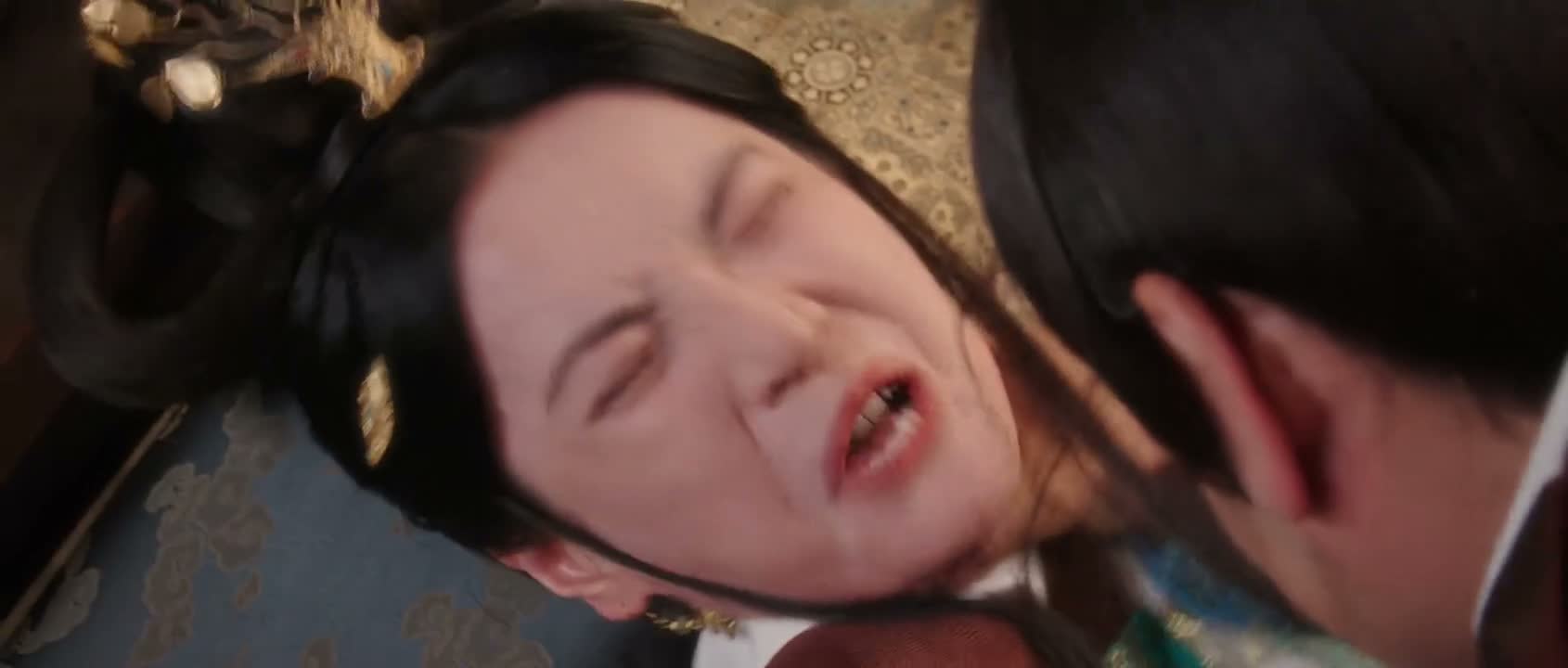
“What does her death have to do with me?”

“I don't think you care about her at all.”

“Then, can you not let her die? Please.”