MC
MandarinClips Cinema Corpus
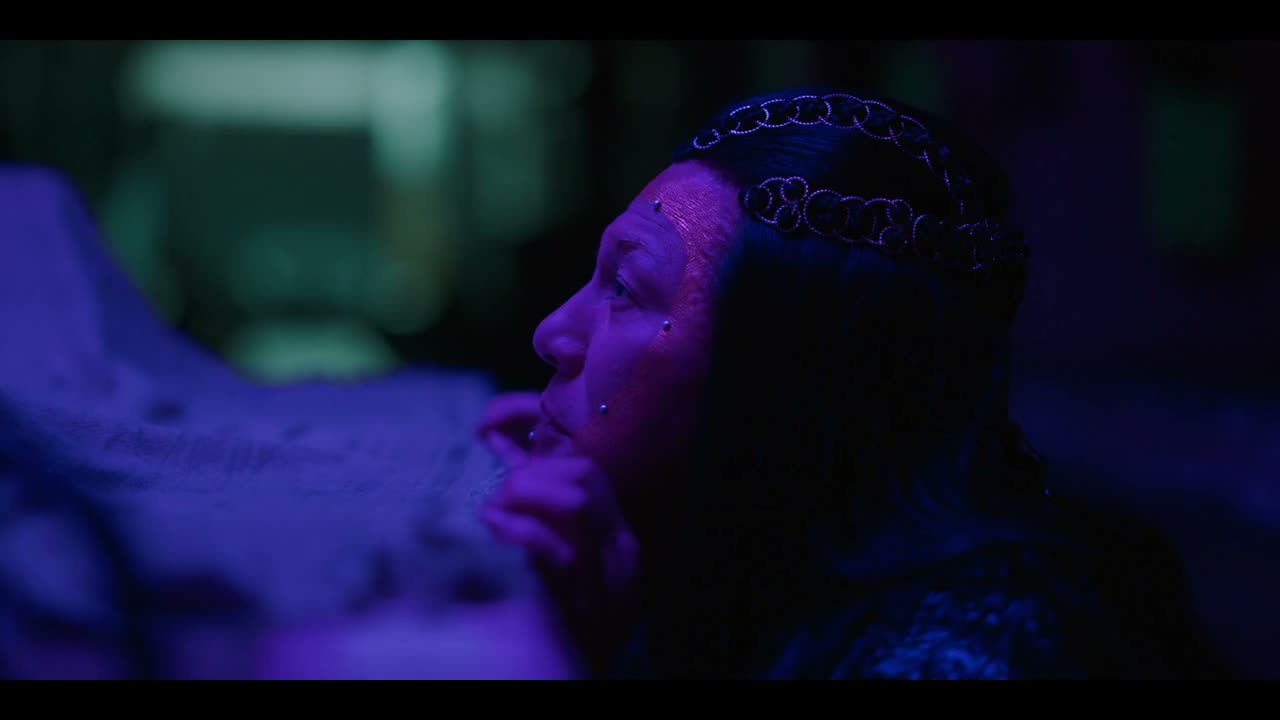
《Unveil: Jadewind》 S1·E25 (03:46) HSK 4
nǐ néng bù ràng tā sǐ ma ? hǎo ma ?

你能不让她死吗? 好吗?

“Then, can you not let her die? Please.”

《Unveil: Jadewind》 S1·E25
TIMECODE: 03:46 · 1080P MASTER AUDIO

THE DIALOGUE REEL

1+1+1 SPOKEN CONTINUITY
[-1] PREVIOUS TURN nà

那

“Then, can you not let her die?”

nǐ néng bù ràng tā sǐ ma ? hǎo ma ? CURRENT FOCUS

你能 不让她死 吗 ? 好吗 ?

“Then, can you not let her die? Please.”

[+1] FOLLOW-UP TURN nà tā qù nǎ ér le ? tā wèi shén me huì sǐ ?

“Where did she go? Why did she die?”

Subtitles synced to millisecond timecode Browse Show Clips →
Scene: Crisis & Conflict
Function: BEGGING
Tone: PLEADING
Emotion: DESPERATION
WHAT THEY REALLY MEAN (PRAGMATIC SUBTEXT)

Direct spoken expression in this communicative setting.

💡 Cultural Insight: Supplication to Higher Power

When individuals confront mortality beyond human control, asking an authority or deity in childlike, direct language emphasizes total surrender and vulnerability.

INTENT TAGS: #pleading #begging #mercy #urgency
🧩

LEARNING CHUNKS & PARTICLES

2 CHUNKS · 1 PARTICLES
不让她死 SPOKEN CHUNK

not let her die; keep her alive

A direct causative structure ('不让 + object + verb') expressing a desperate plea to prevent a tragic outcome.

好吗 SPOKEN CHUNK

okay? / will you?

Appended to the end of a request to soften it into a direct, vulnerable appeal for agreement or mercy.

Modal Particle「吗」 (ma) CHANGE OF STATE

Turns the statement into an urgent, earnest yes-no question seeking immediate confirmation.
🏮

VOCABULARY & EXPRESSIONS

2 EXPR · 3 GRAMMAR
CROSS-CINEMA CORPUS BOARD · PARALLEL SCENES

Parallel Spoken Cinema Scenes (语义近邻切片)

EXPLORE BY SEMANTIC SIMILARITY
《Unveil: Jadewind》 S1·E25 (03:46) · Authentic Cinema Dialogue Corpus