你跟我下楼 我带你去前台开房间行吗
“Come downstairs with me. I'll get you a room at the front desk, okay?”
THE DIALOGUE REEL
“If you kick me out, I'll call the police to report that you're abusing the elderly.”
你跟我 下楼 我带你去 前台 开房间 行吗
“Come downstairs with me. I'll get you a room at the front desk, okay?”
你真拿着三十万现金
“You really got 300,000 in cash?”
“Just stop making a scene and get out of my room; I'll pay for a hotel room for you if that's what it takes.”
In Chinese society, kicking out an elderly relative is heavily stigmatized as unfilial. The previous speaker weaponizes the accusation of 'elder abuse' to force the speaker into providing accommodation.
LEARNING CHUNKS & PARTICLES
to book/get a hotel room
Literally means to open a room at a hotel. Note that in casual contexts (especially shortened to '开房'), it can carry romantic or sexual connotations, though here it is strictly practical.
is that okay? / will that work?
Placed at the end of a proposal or request to seek the listener's agreement, often used when bargaining or pleading.
Forms a yes/no question at the end of '行' (okay), softening the command into a negotiated plea.
VOCABULARY & EXPRESSIONS
Parallel Spoken Cinema Scenes (语义近邻切片)

“I'll take you to coordinate with my front desk staff.”

“I'm telling you, I'm still exercising every day, climbing up and down the stairs.”

“I walked you all the way back,”
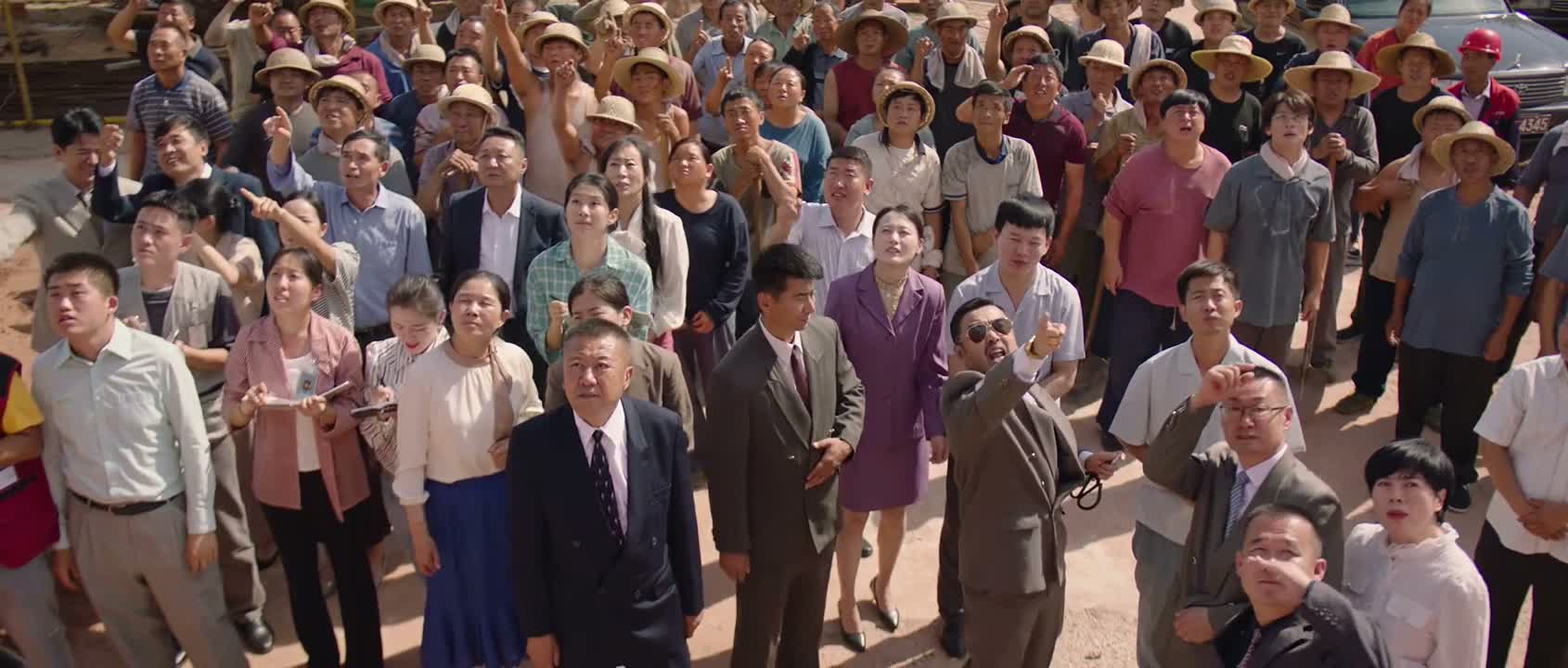
“Get down!”

“Come with me.”

“My mom's been waiting upstairs. Let him see her.”