你妈不是把你推给 李尖尖了吗
“Didn't your mom leave you to Li Jianjian?”
THE DIALOGUE REEL
医院离不开人
“I have to take care of my mom in the hospital.”
你妈 不是 把你推给 李尖尖了吗
“Didn't your mom leave you to Li Jianjian?”
你妈不是不要你了吗
“Didn't your mom abandon you?”
“Your mom abandoned you to someone else's family, so why are you acting like a devoted child at the hospital now?”
In Chinese society, adult children often face intense pressure to care for sick parents in the hospital regardless of past mistreatment, sparking conflict over whether filial duty still applies after abandonment.
LEARNING CHUNKS & PARTICLES
didn't... / isn't it true that...
A rhetorical question structure used to confront someone with an established fact, often to point out hypocrisy or contradiction.
pushed you onto / dumped you on
Used when someone shirks responsibility for a person or task by passing it off to another person.
Marks the past completion of the action of being handed over.
Forms a rhetorical question when paired with 'bushi', challenging the listener.
VOCABULARY & EXPRESSIONS
Parallel Spoken Cinema Scenes (语义近邻切片)
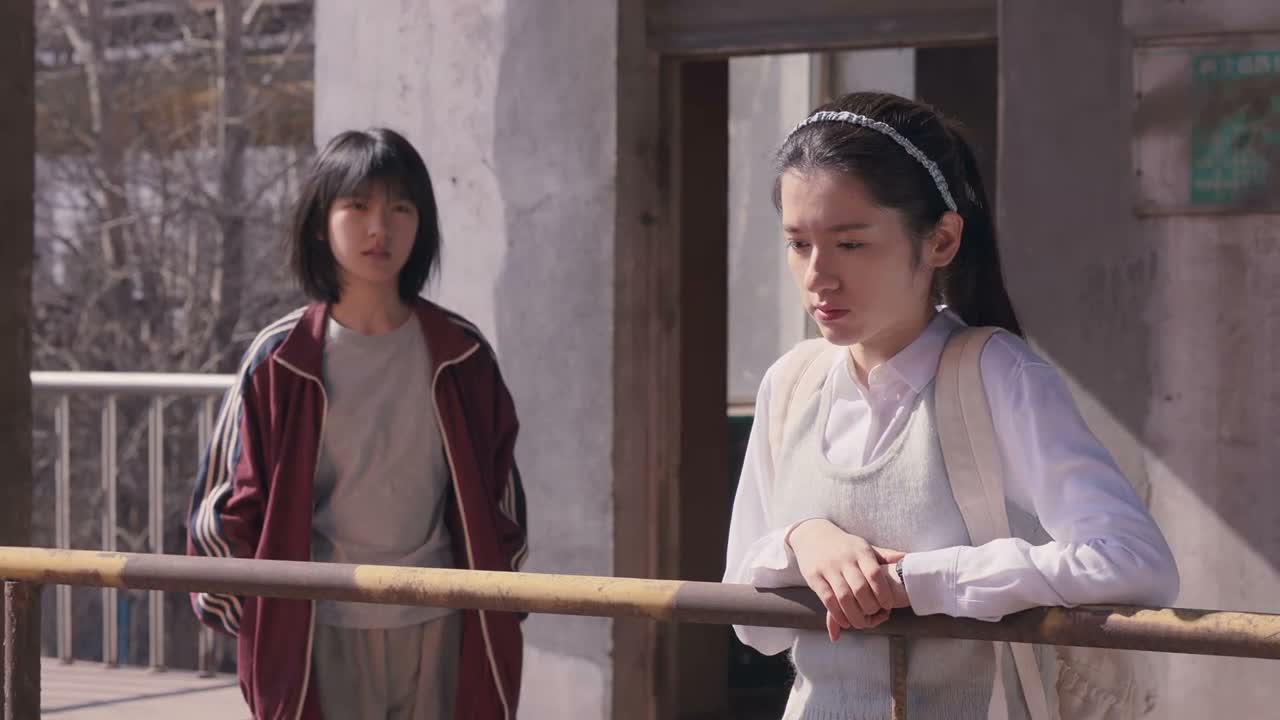
“Your mom... Call her 'that person' from now on.”
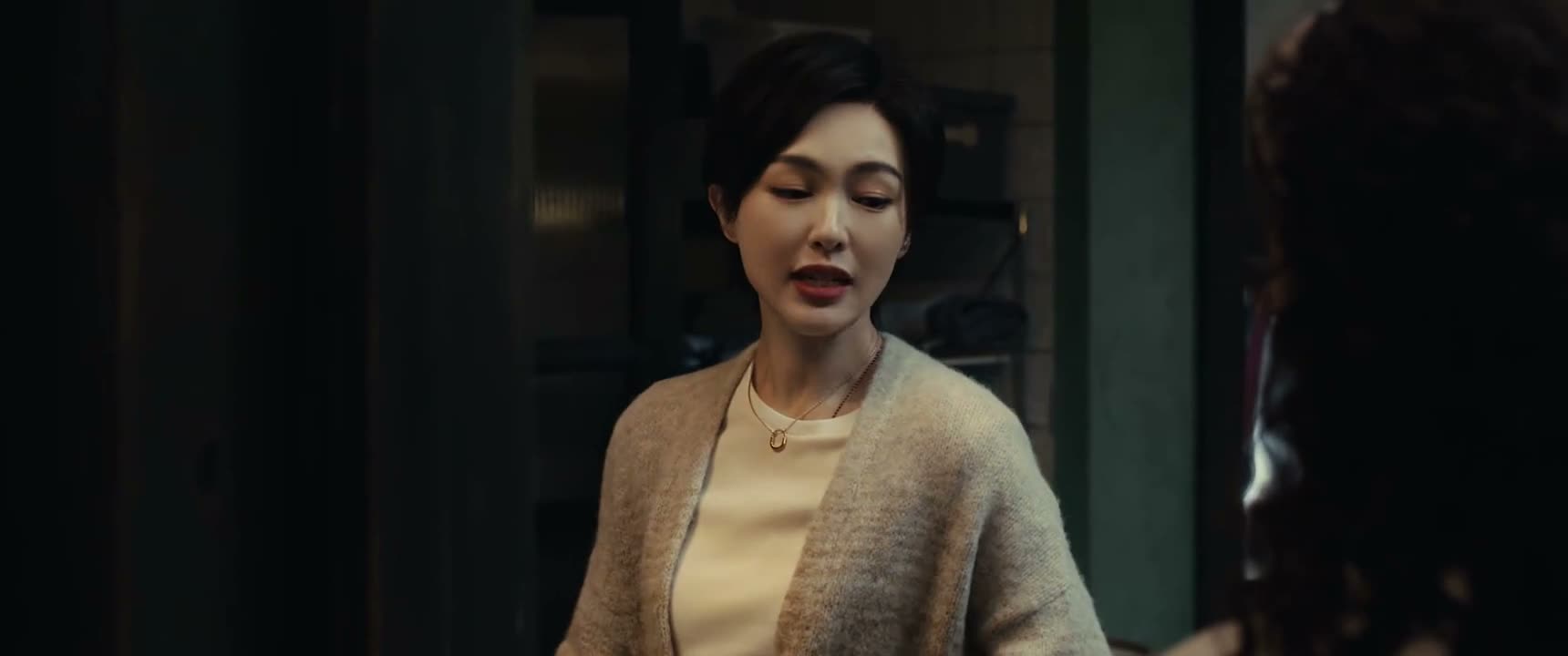
“She's your mom. You don't have to push her this hard. She forced my hand.”
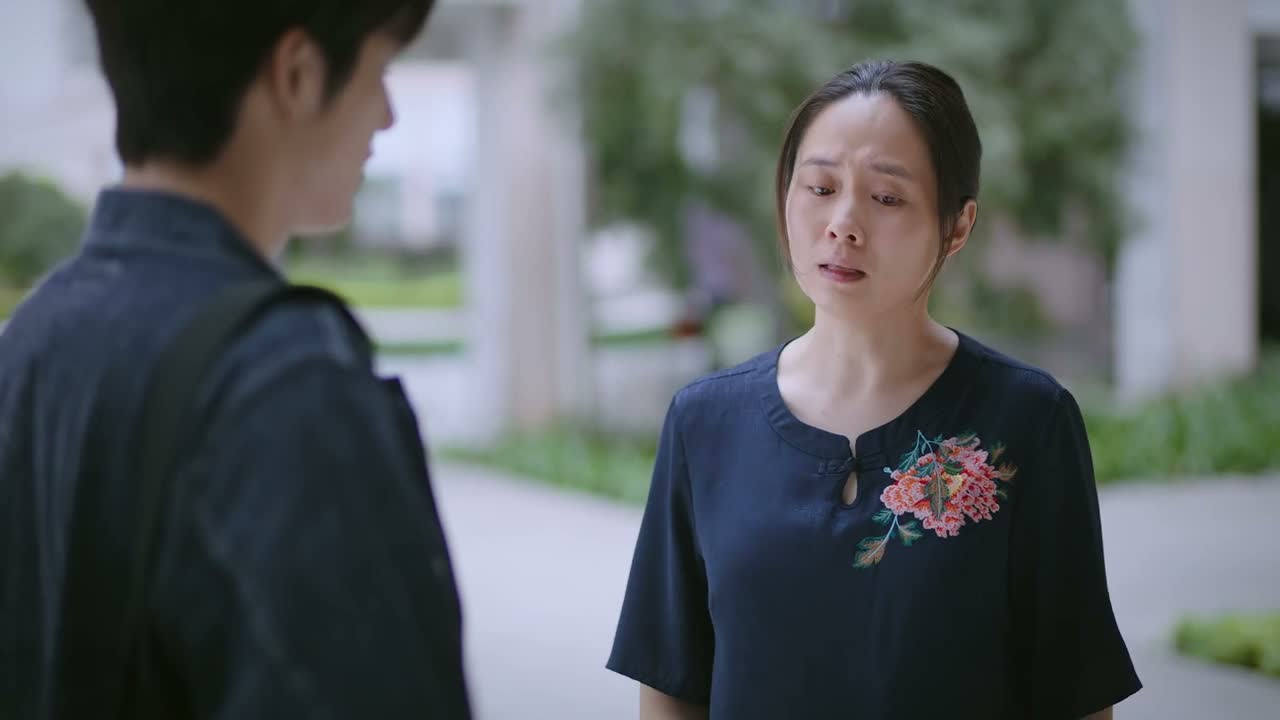
“Your mother left you,”

“You know what your mom is like.”
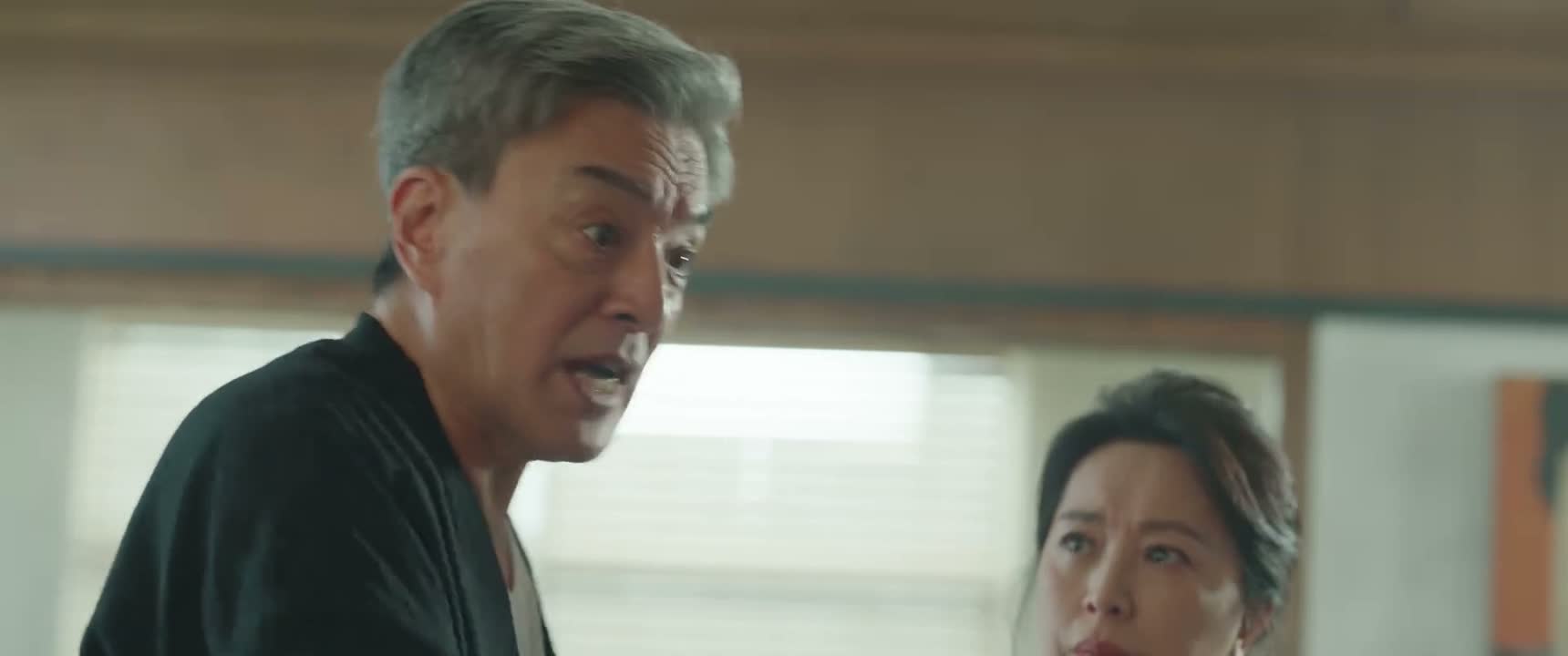
“We can't handle that shame.”
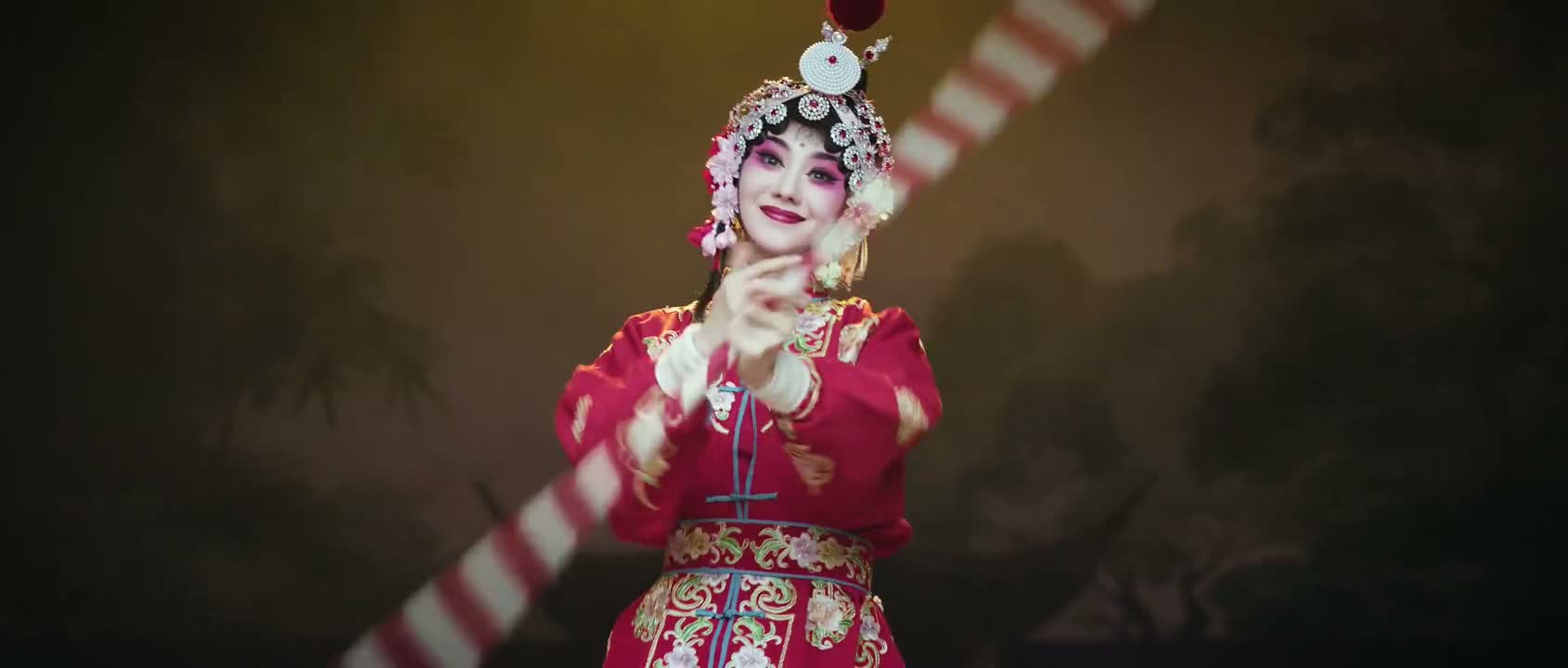
“Isn't your mom amazing?”