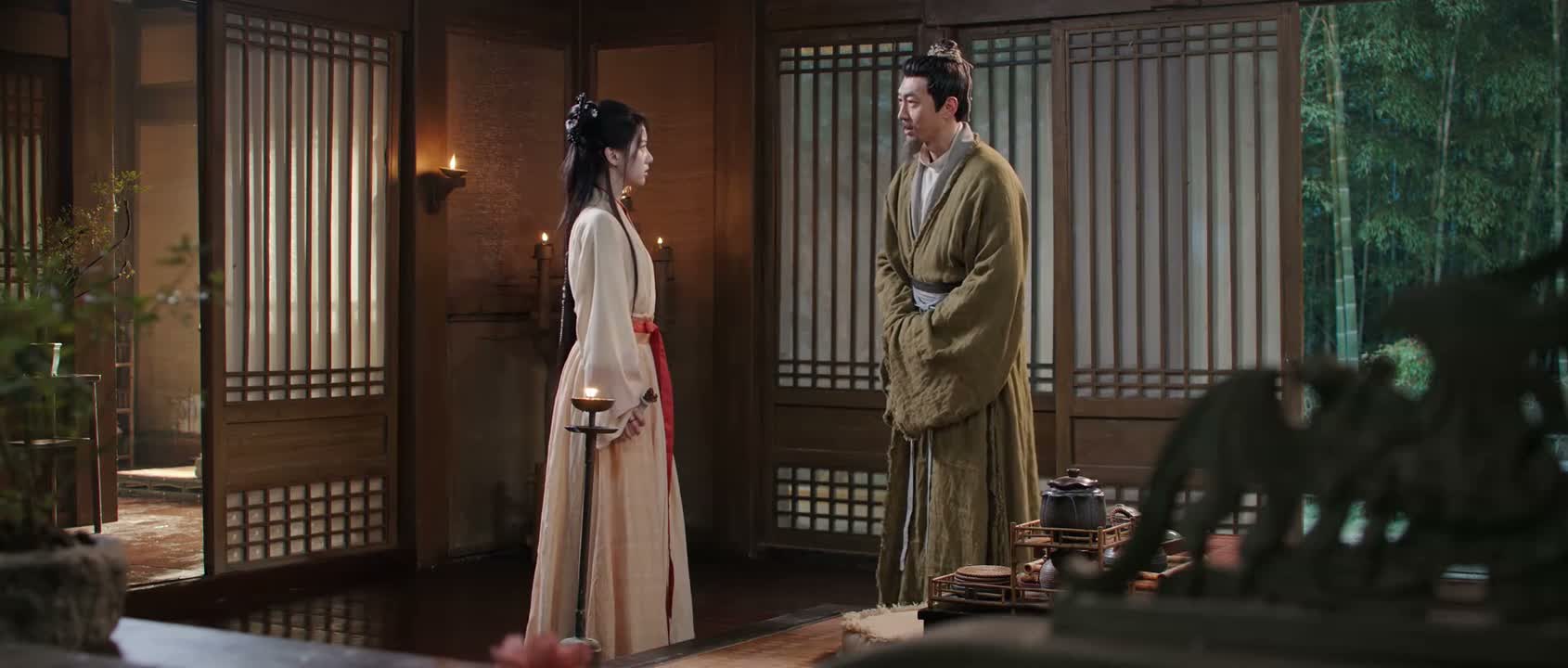
《Generation to Generation》 S1·E11 (24:32)
HSK 2
zài wài miàn wú yī wú kào
在外面无依无靠
“be alone and helpless outside,”
《Generation to Generation》
S1·E11
TIMECODE: 24:32
·
1080P MASTER AUDIO
THE DIALOGUE REEL
[-1] PREVIOUS TURN
tā bù néng ràng nǐ yí gè rén
他不能让你一个人
“he can't let you”
zài wài miàn wú yī wú kào
CURRENT FOCUS
在外面无依无靠
“be alone and helpless outside,”
[+1] FOLLOW-UP TURN
bù néng ràng nǐ dú zì qù xuě shān bó mìng
不能让你独自去雪山搏命
“can't let you risk your life at the Snow Mountain by yourself.”
Subtitles synced to millisecond timecode
Browse Show Clips →
Scene:
Family & Home
Function:
EXPRESSING CONCERN
Tone:
EARNEST
Emotion:
WORRY
WHAT THEY REALLY MEAN (PRAGMATIC SUBTEXT)
“You are completely vulnerable out there on your own, so stop rejecting his protection.”
💡 Cultural Insight: Inside vs. Outside Worldview
In Chinese culture, 'outside' (away from one's family or clan) is traditionally viewed as harsh and precarious, making a support network essential for survival.
INTENT TAGS:
#persuasion
#concern
#vulnerability
#emotional_appeal
🧩
2 CHUNKS · 0 PARTICLES
LEARNING CHUNKS & PARTICLES
在外面
SPOKEN CHUNK
out there; away from home
Often used to contrast the perilous outside world with the safety of home or family.
无依无靠
SPOKEN CHUNK
helpless and alone; having no one to depend on
A four-character idiom (chengyu) used to evoke sympathy for someone who lacks family or social support.
🏮
1 EXPR · 2 GRAMMAR
VOCABULARY & EXPRESSIONS
COLLOQUIAL EXPRESSIONS:
CROSS-CINEMA CORPUS BOARD · PARALLEL SCENES
EXPLORE BY SEMANTIC SIMILARITY
Parallel Spoken Cinema Scenes (语义近邻切片)

《Generation to Generation》 S1·E11 (24:32) · Authentic Cinema Dialogue Corpus