出来七十岁 还行 不好意思啊
“Getting out at 70 isn't too bad. Excuse me,”
THE DIALOGUE REEL
你不到四十岁
“You're under 40.”
出来 七十岁 还行 不好意思啊
“Getting out at 70 isn't too bad. Excuse me,”
您刚才所说的一切 我不知道
“but I have no idea about everything you just said,”
“If you don't cooperate right now, you're going to rot in jail until you're an old man, and I won't feel bad about it at all.”
In Chinese confrontations or interrogations, authority figures often use overly casual, polite phrases like 'sorry about that' to assert total dominance and psychological control.
LEARNING CHUNKS & PARTICLES
to come out; to be released (from prison/hospital)
In legal or criminal contexts, this verb alone colloquially means being released from jail.
not bad; passable; okay
Often used for understated approval, or sarcastically as seen here to downplay a terrible outcome.
sorry; excuse me; to feel embarrassed
Normally a polite apology for minor inconveniences, used ironically here to mock the listener's grim fate.
Softens the end of the apology, which in this context heightens the faux-friendly, patronizing sarcasm.
VOCABULARY & EXPRESSIONS
Parallel Spoken Cinema Scenes (语义近邻切片)

“So, two meals a day, and seventy yuan a month. How about it?”
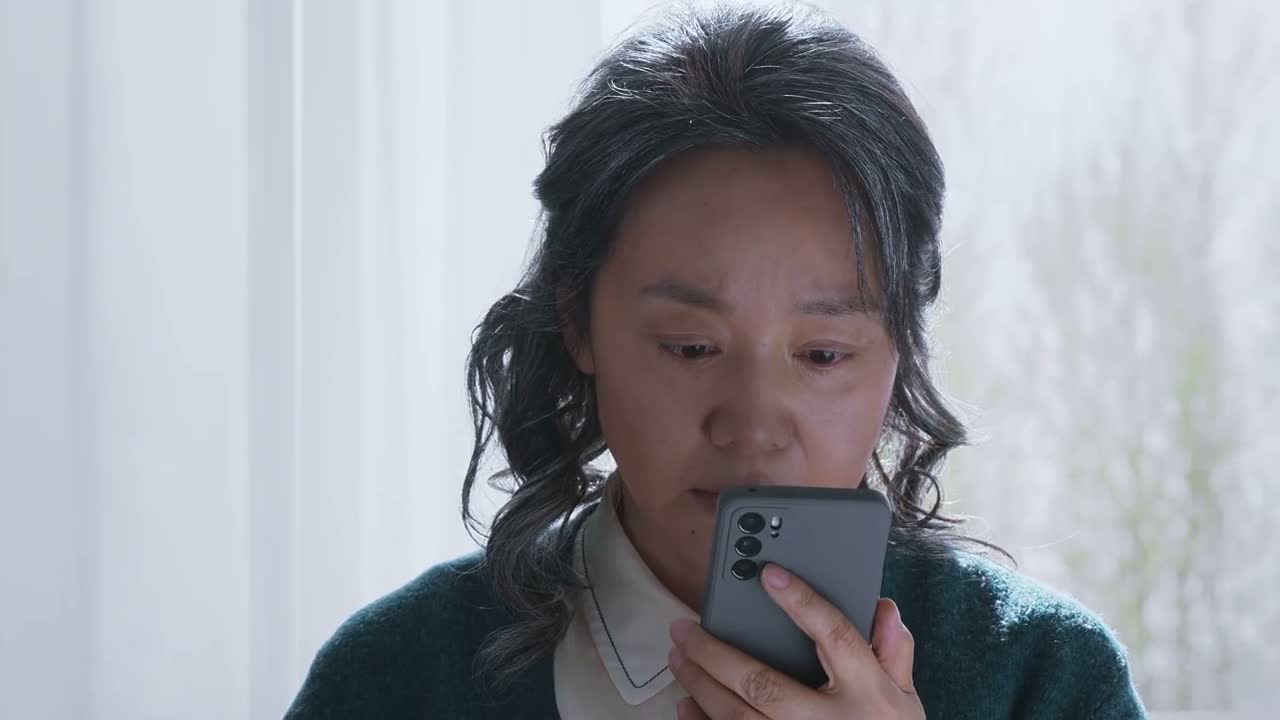
“They're in their seventies or eighties,”

“let alone when we are not young now.”

“It is better than refusing to retire at seventy,”

“-My father scolded him a lot when he was alive. -You're so old...”

“More than a hundred. You can live for a thousand years.”