我不得不洗把脸冷静一下
“I had to wash my face to calm down.”
THE DIALOGUE REEL
我 不得不 洗把脸冷静一下
“I had to wash my face to calm down.”
“This mentor is really amazing.”
“That was way too intense for me to handle right now; I need a breather.”
In Chinese daily life, splashing water on one's face is a standard idiomatic and physical way to sober up, shake off shock, or regain composure after an intense moment.
LEARNING CHUNKS & PARTICLES
have no choice but to / cannot help but
A double-negative structure used to express that circumstances force you to do something.
to wash one's face (quickly)
Inserting the measure word for handfuls makes the action sound casual, quick, and colloquial.
to calm down a bit / to cool one's head
Commonly used when emotions are running too high, whether from anger, excitement, or shock.
VOCABULARY & EXPRESSIONS
Parallel Spoken Cinema Scenes (语义近邻切片)

“Hurry and wash your face. I'll go tidy up.”

“I'll take them to wash up first. Go ahead. Sorry.”

“Alright. I'll get cleaned and cook for you.”

“I'll go wash my face first. I'll come back to keep you company soon.”
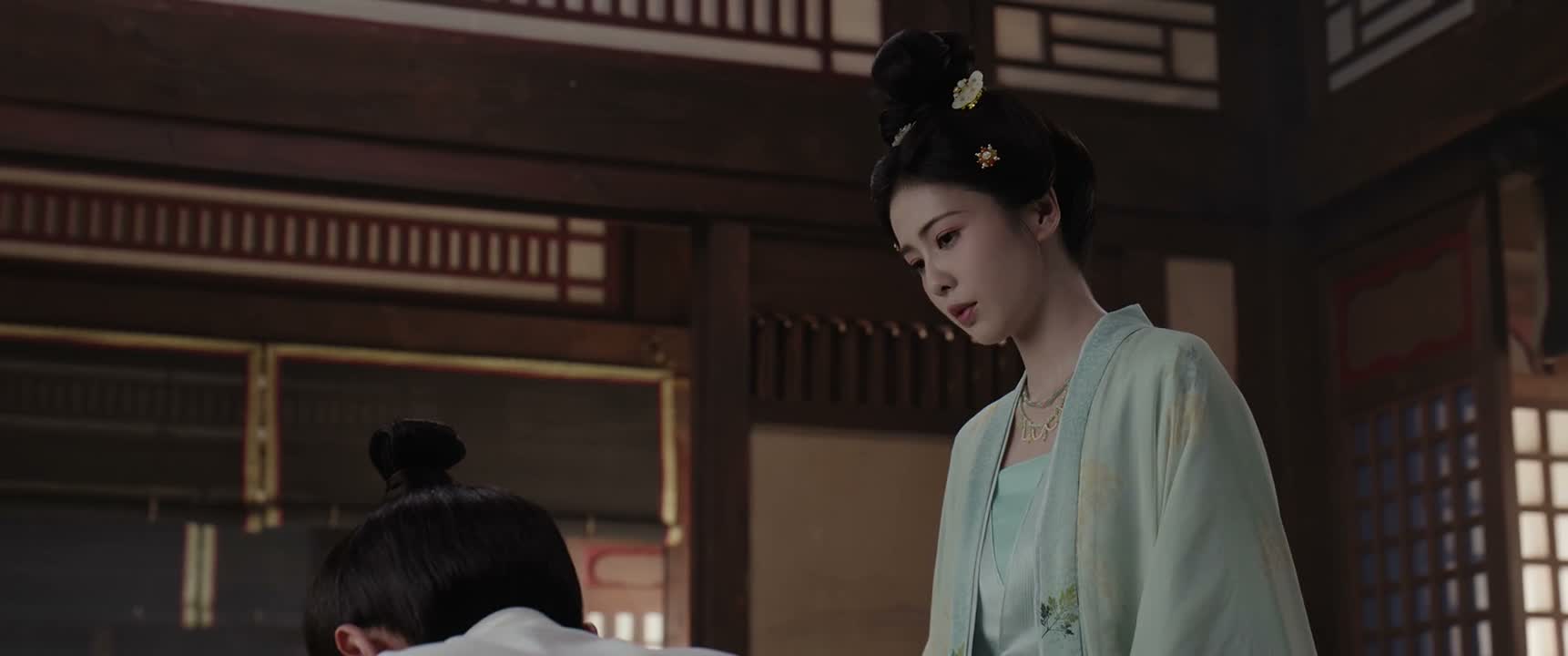
“I'll fetch some water. You should wash your face.”

“Anyway, I won't do your laundry. I'll do yours, then. No need.”