非我蓄意在老祖忌辰之日闹事
“I do not intend to cause trouble on the memorial,”
THE DIALOGUE REEL
戚宗主
“Lord Qi,”
非 我蓄 意在 老 祖忌辰之日 闹事
“I do not intend to cause trouble on the memorial,”
而是若无诸位豪杰在场
“but without everyone present,”
“Do not paint me as disrespectful; I was forced to use this grand occasion to expose the truth before everyone.”
In traditional Chinese society, an individual confronting powerful figures often requires the scrutiny of esteemed public witnesses (haojie) to ensure fairness and prevent cover-ups.
LEARNING CHUNKS & PARTICLES
deliberately stirring up trouble; willfully causing a disturbance
Commonly used in formal or legalistic speech to describe intentional public disruptions.
the anniversary of someone's death
A respectful, literary term reserved for commemorating the death date of respected ancestors or elders.
VOCABULARY & EXPRESSIONS
Parallel Spoken Cinema Scenes (语义近邻切片)
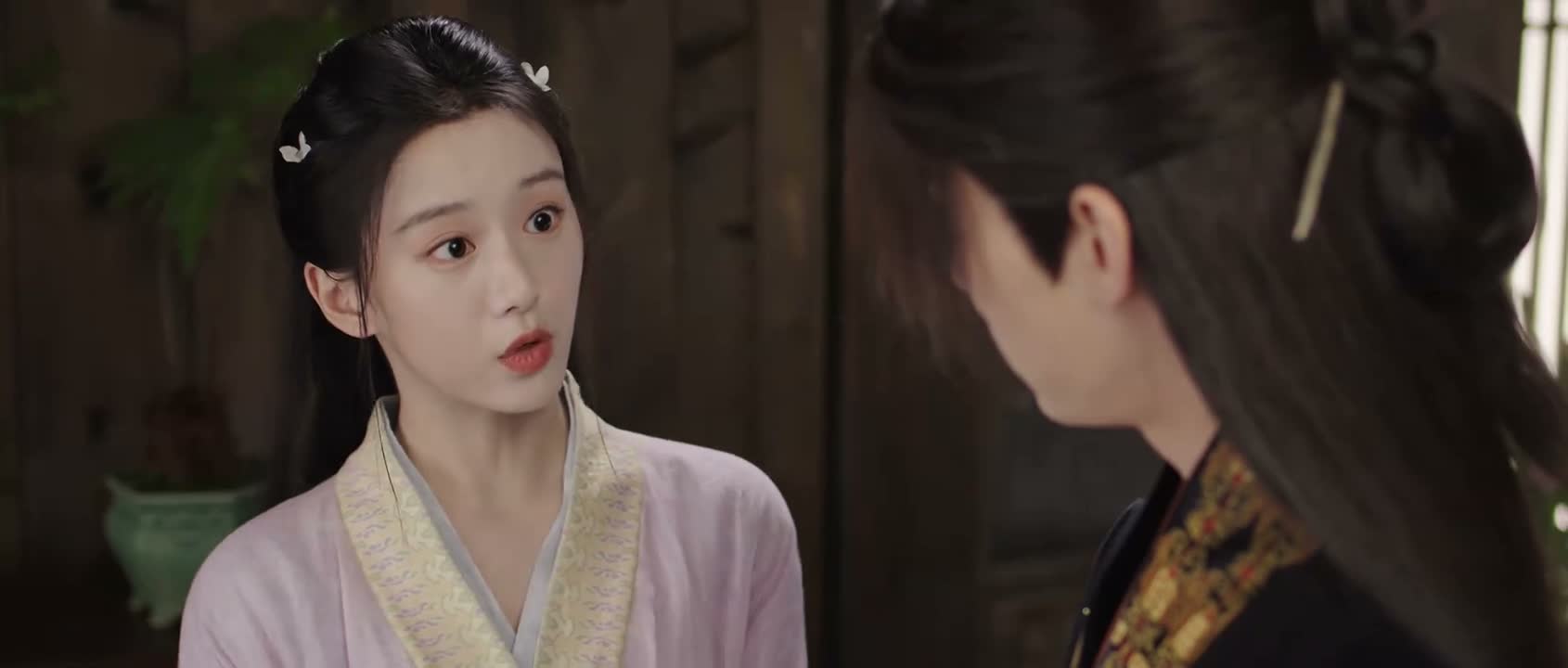
“act so arrogantly at the memorial?”
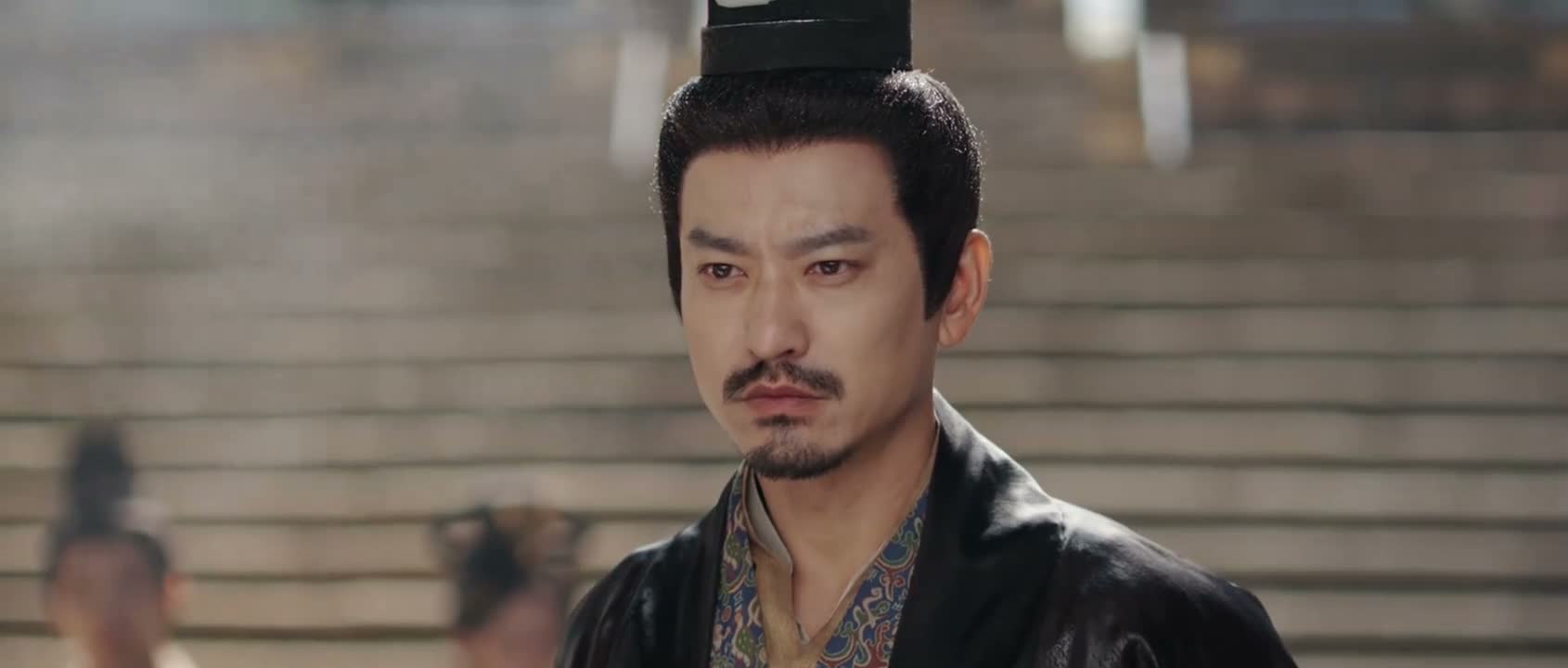
“and happen to appear at the memorial?”
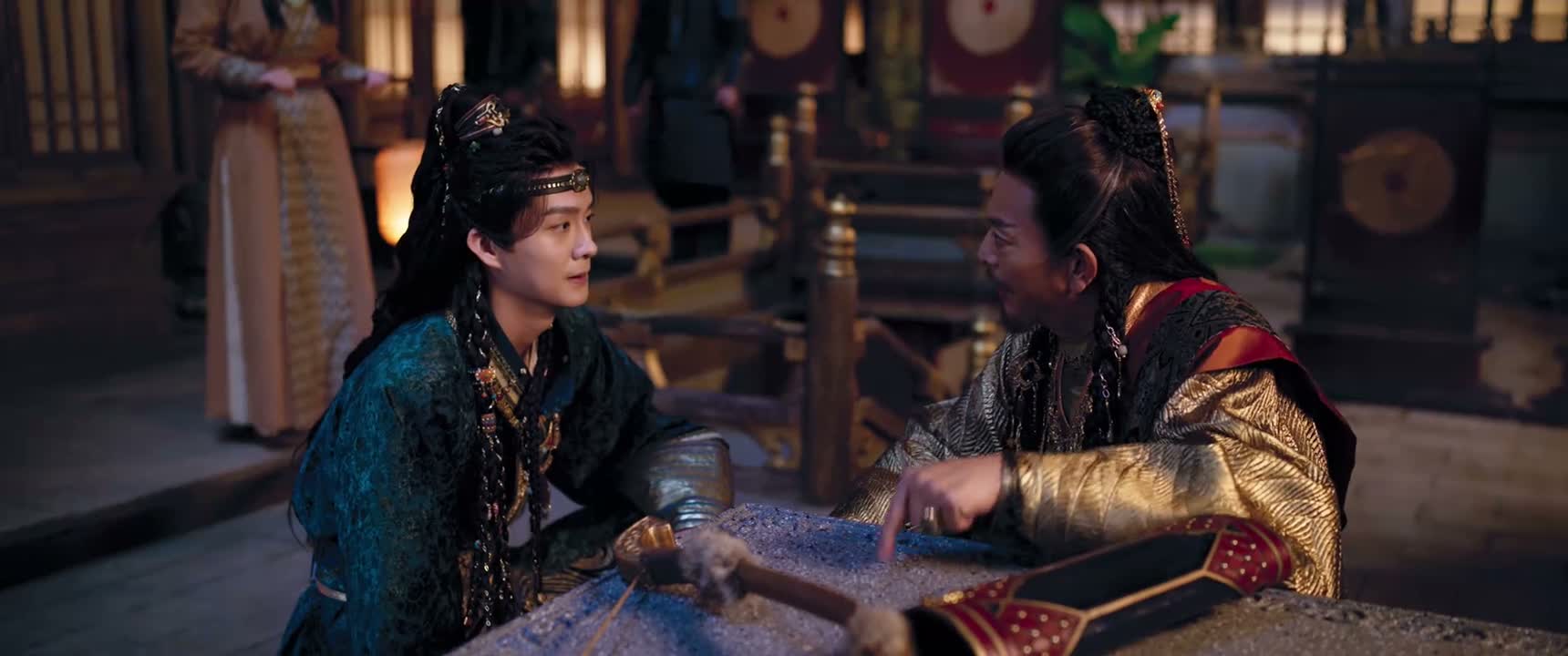
“you must not create further trouble.”

“await my end before Great Ancestor?”
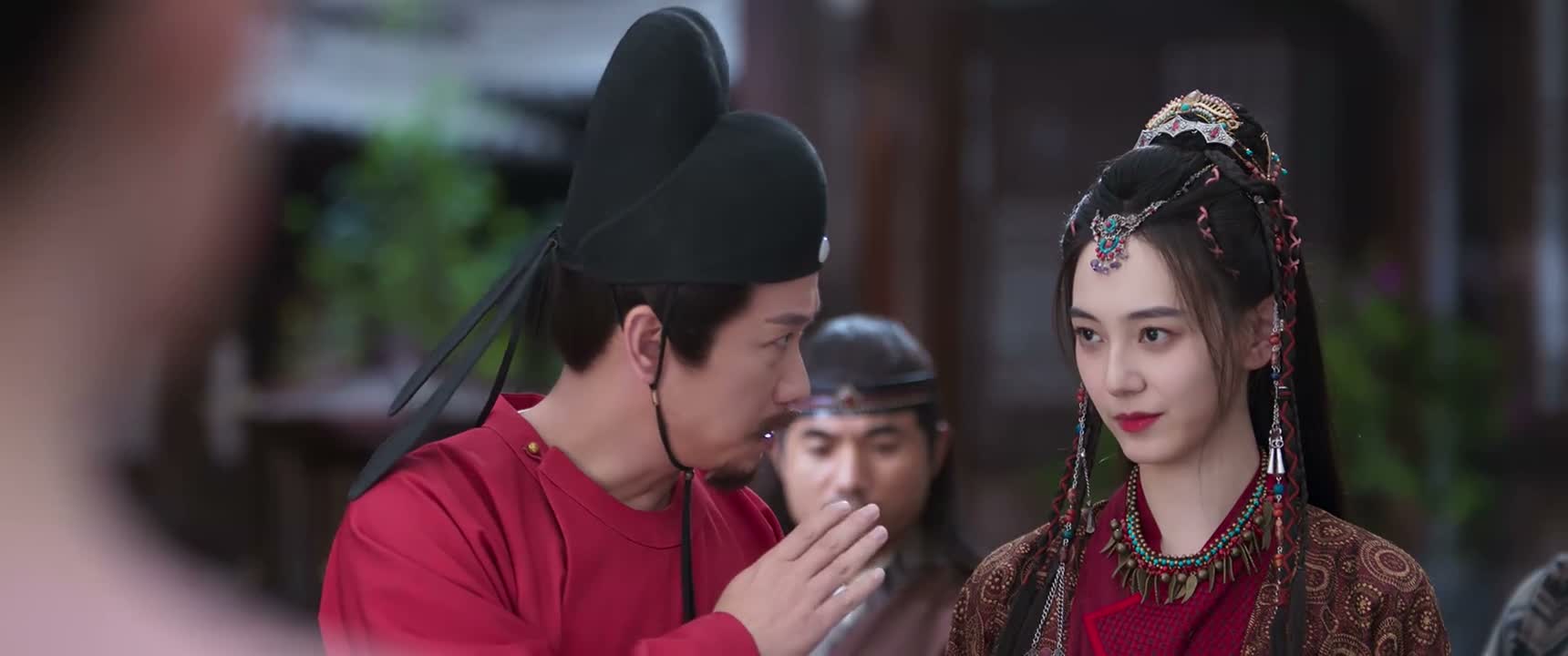
“We mustn't cause any deaths.”
“please don't stay a widow for me.”