MC
MandarinClips Cinema Corpus
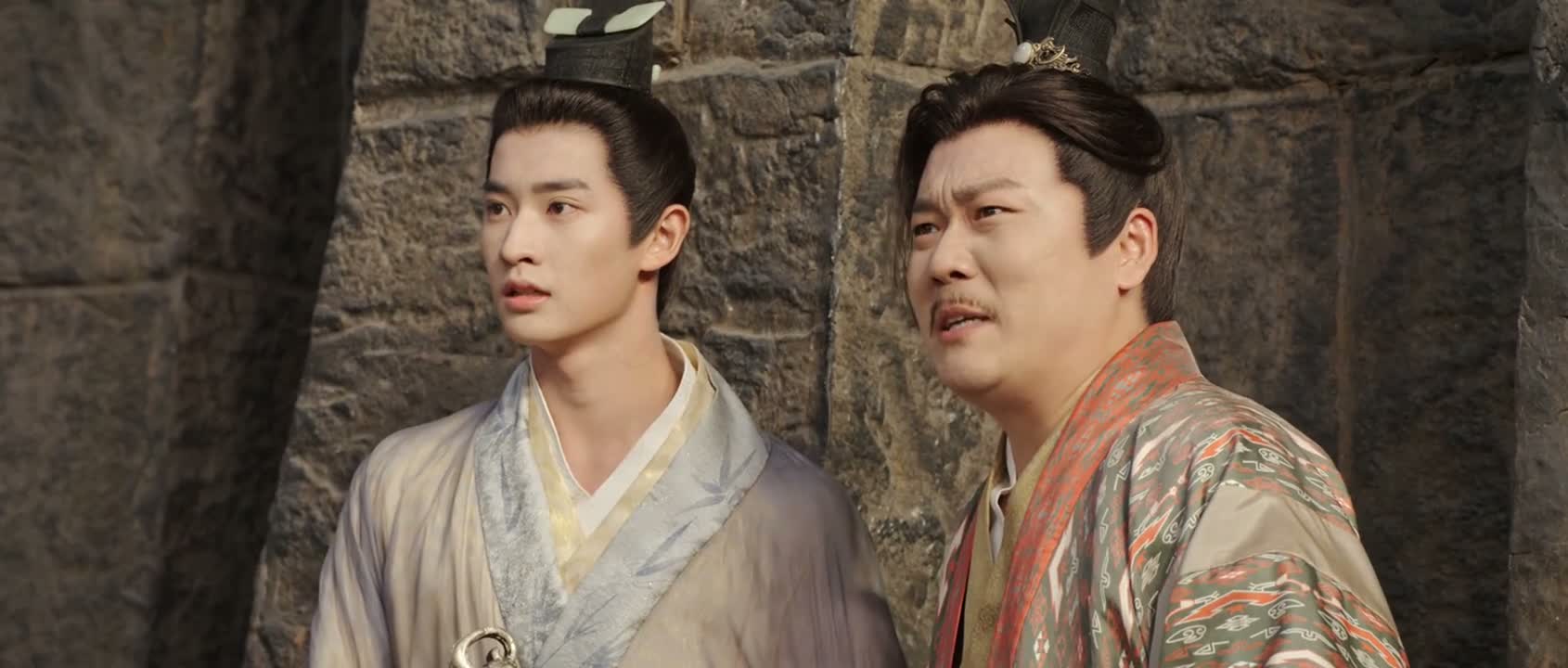
《Generation to Generation》 S1·E4 (24:38) HSK 7
nǐ zhè jiàn yā tou zěn me jiù bù zhī hǎo dǎi ne

你这贱丫头怎么就不知好歹呢

“Why are you so ungrateful?”

《Generation to Generation》 S1·E4
TIMECODE: 24:38 · 1080P MASTER AUDIO

THE DIALOGUE REEL

1+1+1 SPOKEN CONTINUITY
[-1] PREVIOUS TURN kě shì diē wèi nǐ qiú lái de fú fēn

可是爹为你求来的福分

“(Sha, Lady of Siqi Sect) is a rare opportunity.”

nǐ zhè jiàn yā tou zěn me jiù bù zhī hǎo dǎi ne CURRENT FOCUS

你这贱丫头 怎么就不 知 好歹 呢

“Why are you so ungrateful?”

[+1] FOLLOW-UP TURN nǐ shì wǒ yáng hè yǐng de guī nǚ

你是我杨鹤影的闺女

“You are my daughter.”

Subtitles synced to millisecond timecode Browse Show Clips →
Scene: Crisis & Conflict
Function: REBUKING
Tone: HARSH
Emotion: ANGER
WHAT THEY REALLY MEAN (PRAGMATIC SUBTEXT)
“I arranged this for your own good, stop resisting and obey me.”
💡 Cultural Insight: Parental Filial Authority and Emotional Coercion

In traditional patriarchal settings, fathers expected absolute obedience, viewing defiance as ungratefulness ('不知好歹') toward parental arrangements.

INTENT TAGS: #coercion #rebuke #guilt_tripping #berating
🧩

LEARNING CHUNKS & PARTICLES

2 CHUNKS · 1 PARTICLES
不知好歹 SPOKEN CHUNK

not knowing what is good for oneself; ungrateful or lacking discernment

A stinging idiom used to rebuke someone who rejects help, good advice, or an advantageous offer.

贱丫头 SPOKEN CHUNK

wretched girl; insolent wench

A highly derogatory, abusive term historically used by elders or superiors toward lower-status females.

Modal Particle「呢」 (ne) CHANGE OF STATE

Adds rhetorical pressure and exasperation to the interrogative sentence.
🏮

VOCABULARY & EXPRESSIONS

2 EXPR · 8 GRAMMAR
CROSS-CINEMA CORPUS BOARD · PARALLEL SCENES

Parallel Spoken Cinema Scenes (语义近邻切片)

EXPLORE BY SEMANTIC SIMILARITY
《Generation to Generation》 S1·E4 (24:38) · Authentic Cinema Dialogue Corpus