MC
MandarinClips Cinema Corpus
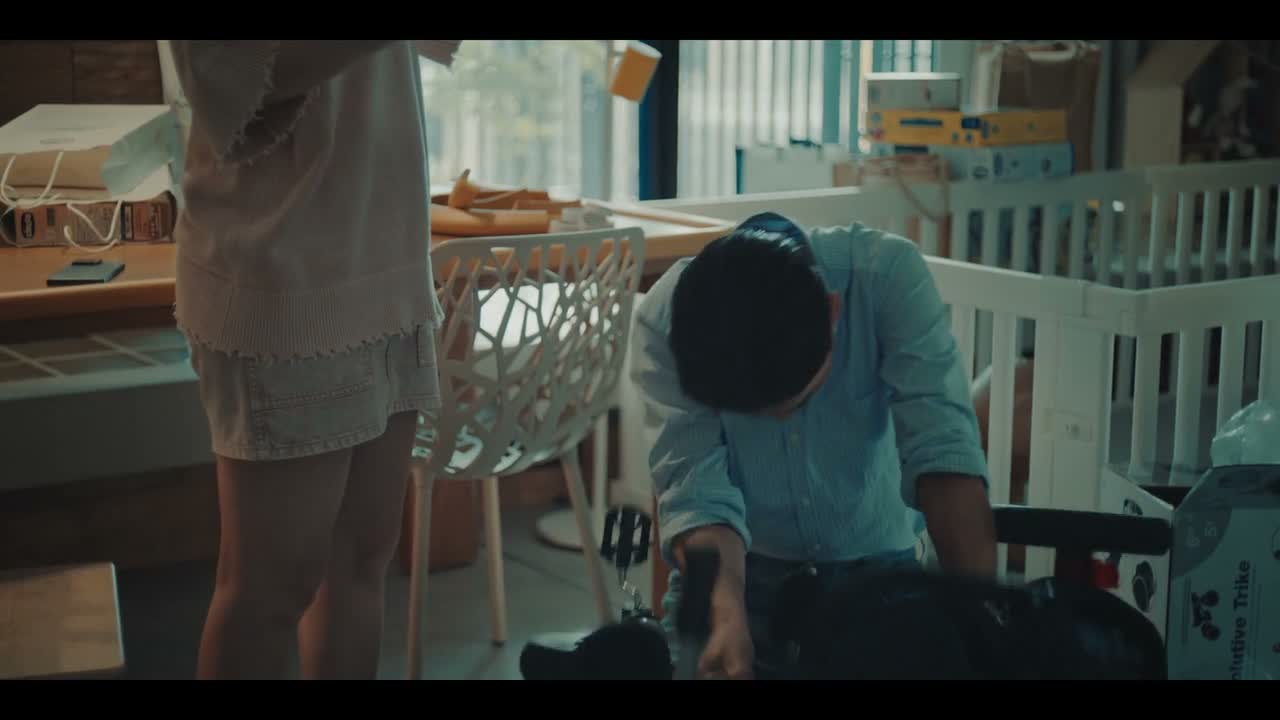
《Generation to Generation》 S1·E4 (39:23) HSK 6
zì jǐ chuǎng de huò dé zì jǐ bèi ya

自己闯的祸得自己背呀

“take responsibility for the mess you caused.”

《Generation to Generation》 S1·E4
TIMECODE: 39:23 · 1080P MASTER AUDIO

THE DIALOGUE REEL

1+1+1 SPOKEN CONTINUITY
[-1] PREVIOUS TURN qiú zhǎng mén

裘掌门

“Lord Qiu,”

zì jǐ chuǎng de huò dé zì jǐ bèi ya CURRENT FOCUS

自己闯的祸得自己背 呀

“take responsibility for the mess you caused.”

[+1] FOLLOW-UP TURN chuǎng wán huò jiù pǎo

闯完祸就跑

“Running after causing havoc?”

Subtitles synced to millisecond timecode Browse Show Clips →
Scene: Crisis & Conflict
Function: DEMANDING ACCOUNTABILITY
Tone: CRITICAL
Emotion: ANNOYANCE
WHAT THEY REALLY MEAN (PRAGMATIC SUBTEXT)
“Do not expect anyone else to clean up your mess; face the consequences yourself.”
💡 Cultural Insight: Personal Accountability

In Chinese social ethics, running away from trouble you caused ('闯祸就跑') is viewed with heavy moral disdain, demanding individual accountability ('自己背').

INTENT TAGS: #reproach #accountability #moralizing #confrontation
🧩

LEARNING CHUNKS & PARTICLES

2 CHUNKS · 1 PARTICLES
闯的祸 SPOKEN CHUNK

the trouble or mess one has caused

Commonly used in spoken Chinese when talking about disasters or blunders made by oneself or others.

自己背 SPOKEN CHUNK

bear the consequences oneself; take the blame yourself

A vivid colloquial phrase where '背' means carrying a physical burden on one's back, metaphorically meaning taking responsibility.

Modal Particle「呀」 (ya) CHANGE OF STATE

Softens the admonishment while stressing the obviousness of the moral principle.

🏮

VOCABULARY & EXPRESSIONS

2 EXPR · 3 GRAMMAR
CROSS-CINEMA CORPUS BOARD · PARALLEL SCENES

Parallel Spoken Cinema Scenes (语义近邻切片)

EXPLORE BY SEMANTIC SIMILARITY
《Generation to Generation》 S1·E4 (39:23) · Authentic Cinema Dialogue Corpus