中午和晚饭我看不太出来
“I can't tell lunch and dinner”
THE DIALOGUE REEL
吃得还满意吗
“Are you satisfied?”
中午和晚饭 我看 不太 出来
“I can't tell lunch and dinner”
大多数都是先生让厨房随意搭配
“Most of them are ordered by the chefs”
“It's hard to tell if he was pleased, since the kitchen just threw random dishes together.”
Rather than directly criticizing food or judging a superior's feelings, Chinese speakers often use perceptual hedges like 'cannot tell' to remain neutral and polite.
LEARNING CHUNKS & PARTICLES
cannot tell / cannot perceive
A very frequent colloquial structure used to express inability to discern or notice a difference or emotion.
VOCABULARY & EXPRESSIONS
Parallel Spoken Cinema Scenes (语义近邻切片)
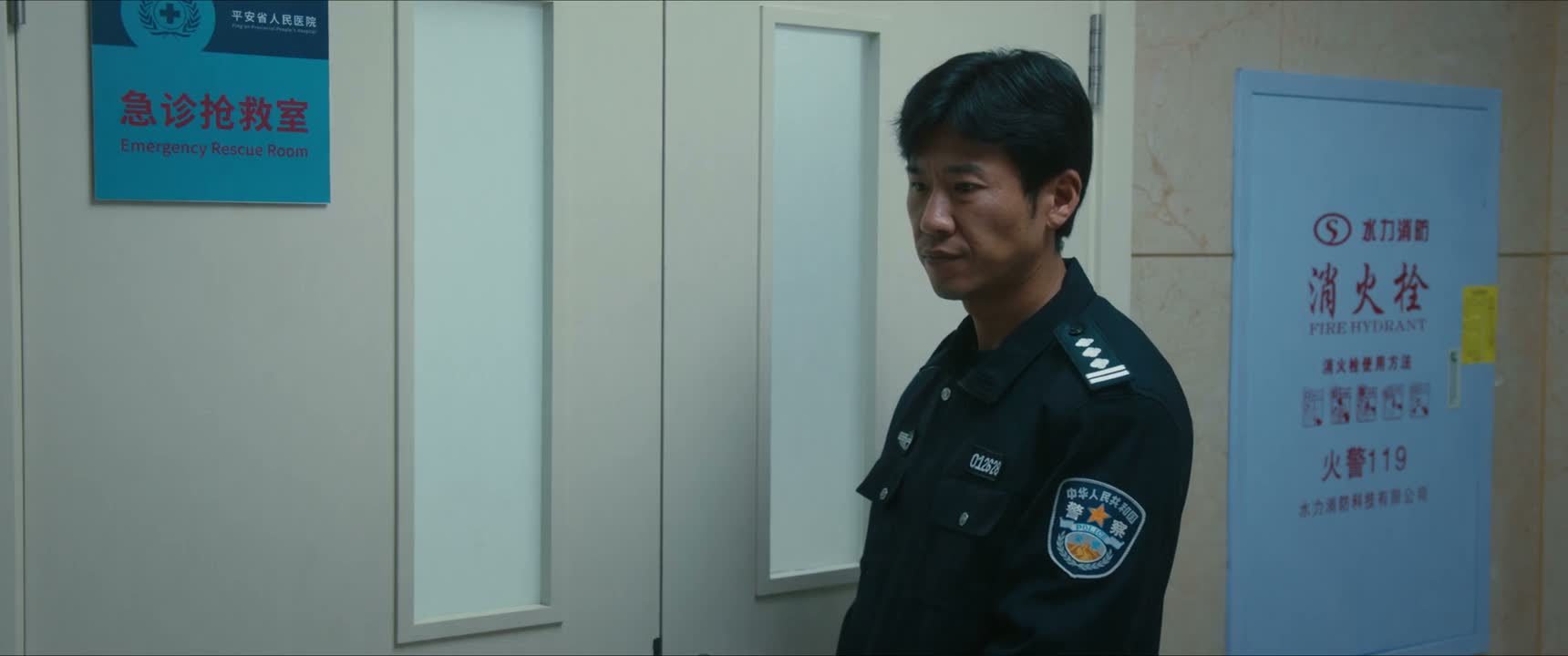
“[Emergency Room] We didn't notice it before.”

“I can't really tell though.”

“It's too blurry. I can't see clearly.”

“I saw I still had some time after noon,”

“Of course you can't tell from the outside.”

“and it was night. He disappeared in the blink of an eye.”