太模糊了我看不清楚
“It's too blurry. I can't see clearly.”
THE DIALOGUE REEL
这人是谁
“Who is this?”
太模糊了 我看 不清楚
“It's too blurry. I can't see clearly.”
怎么着
“What?”
Direct spoken expression in this communicative setting.
Spoken Chinese heavily relies on potential complement structures (看不清楚) rather than modal verbs to indicate physical inability.
LEARNING CHUNKS & PARTICLES
too blurry; too indistinct
Used to describe visual images, video footage, or vague memories.
to see clearly
A standard resultative complement construction; negated with 不 as '看不清楚'.
Emphasizes the excessive degree of blurriness in the '太...了' construction.
VOCABULARY & EXPRESSIONS
Parallel Spoken Cinema Scenes (语义近邻切片)

“This... This one is way too blurry. I can't see clearly.”

“This is way too blurry. I can't make out the face at all.”

“So short-sighted. She doesn’t understand”
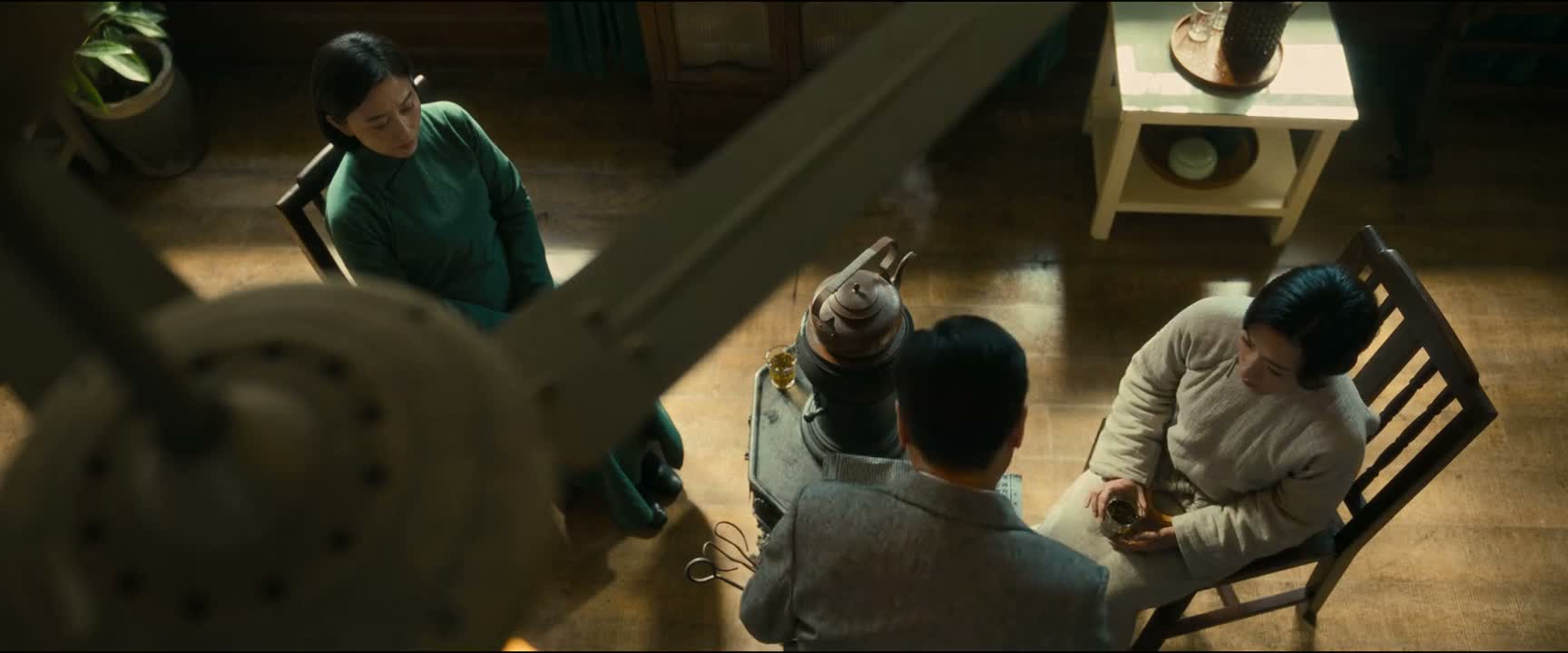
“This photo is too blurry.”

“(Yuehai Town People's Government) The newspaper photo is too blurry.”
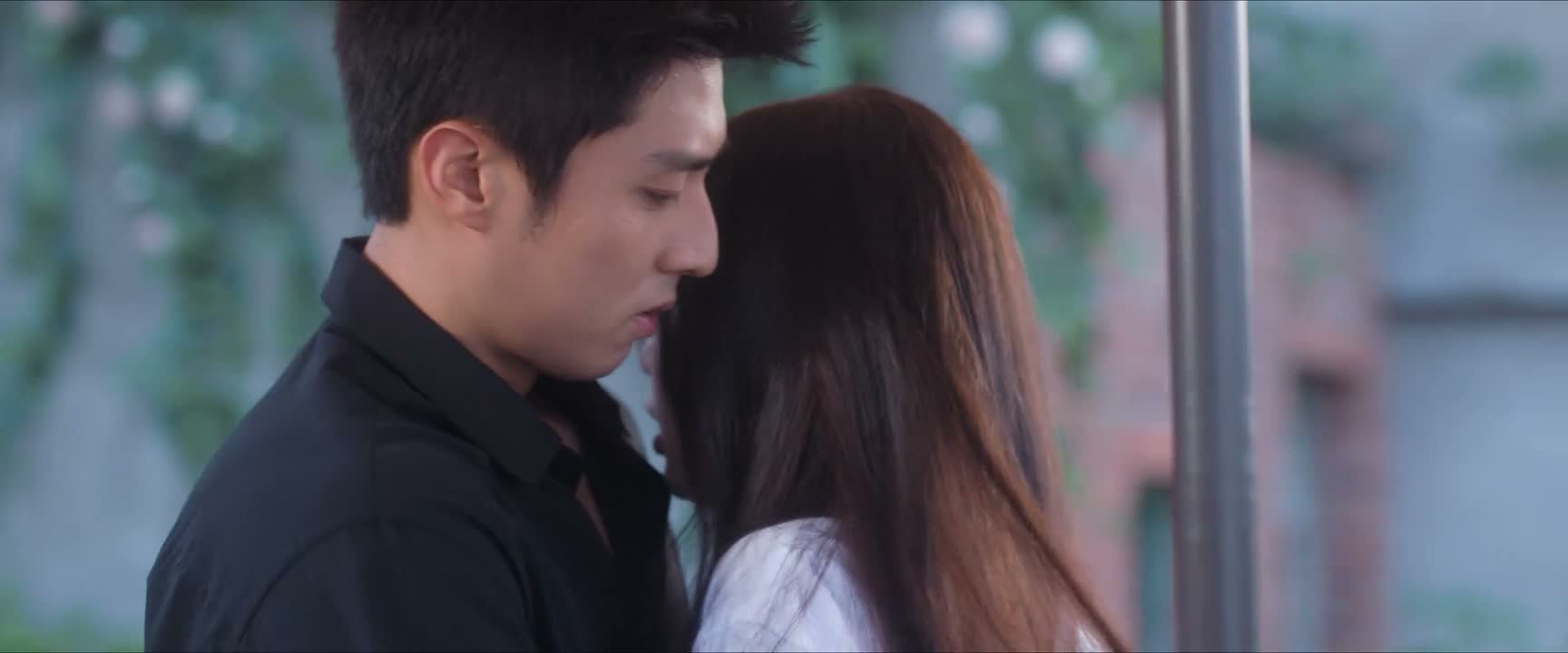
“couldn't see clearly.”

“I made a wrong choice.”