老了 老了 咋成碎娃了嘛 爸
“You're just old. Why are you so fragile now? Dad, let's go.”
THE DIALOGUE REEL
“What do you want? Are you eating or not?”
老了 老了 咋成碎娃了嘛 爸
“You're just old. Why are you so fragile now? Dad, let's go.”
“You are acting just like a stubborn little child right now, Dad, and I can't stay mad at you.”
Chinese culture often refers to elderly parents as '老小孩' (old children), encouraging adult children to treat their parents' aging stubbornness or cognitive decline with the same patience given to toddlers.
LEARNING CHUNKS & PARTICLES
now that one has grown old / in one's old age
Repeating '老了' emphasizes a surprising or ironic change in behavior that happens specifically in someone's later years.
little kid / small child (Northwestern/Shaanxi dialect)
A regional dialect term for '小孩' (little child); useful to recognize in realistic Chinese cinema set in northwestern China.
Marks the change of state into old age and turning into a child-like state.
Softens the rhetorical question into an affectionate, coaxing murmur common in family interactions.
VOCABULARY & EXPRESSIONS
Parallel Spoken Cinema Scenes (语义近邻切片)

“I'm old and not much use now.”
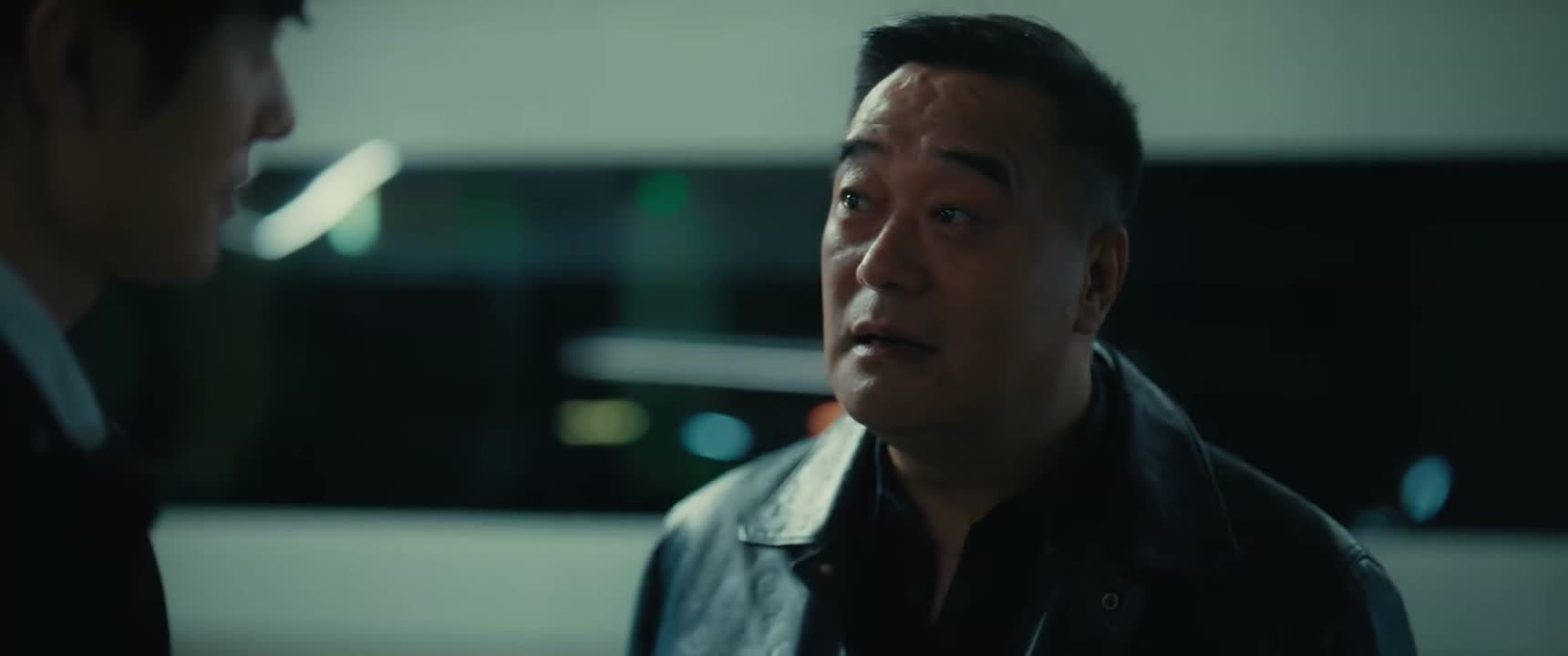
“he now turns traitor”
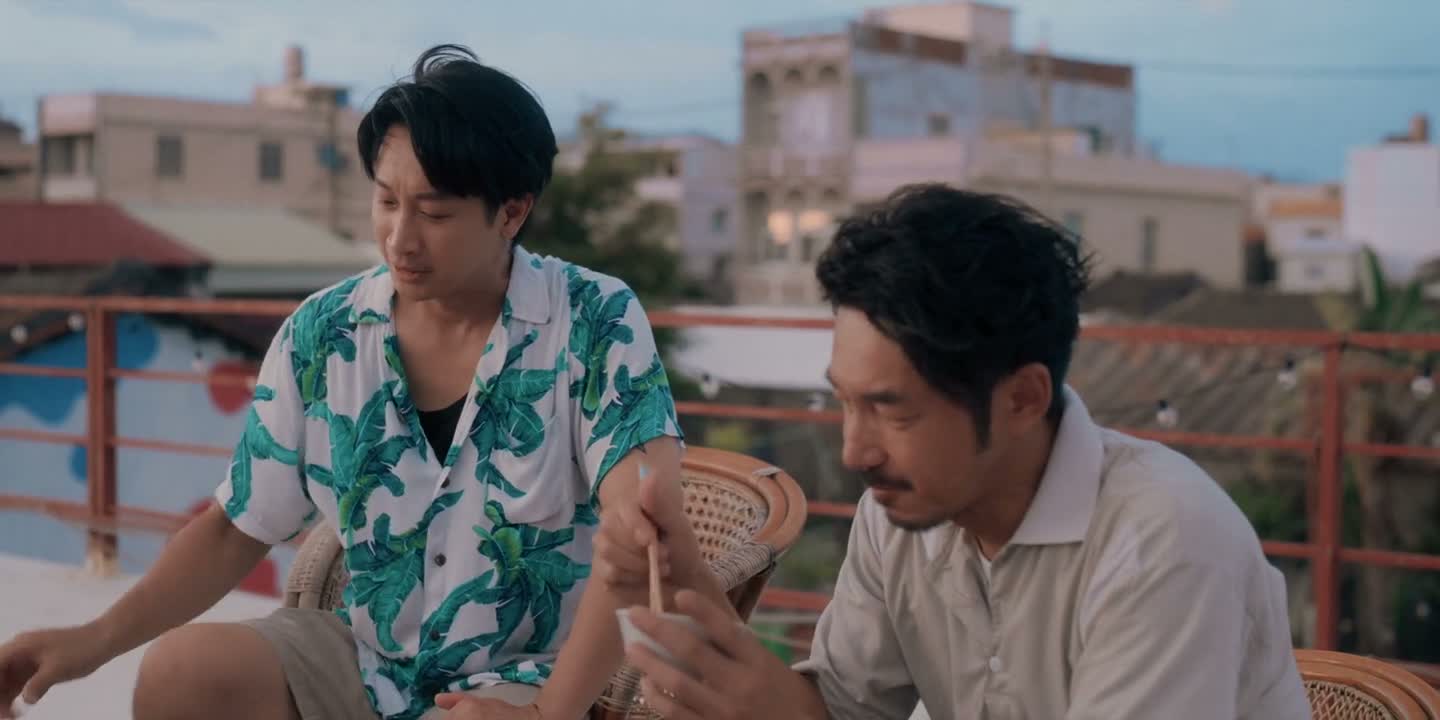
“People say that when you get old,”

“Even though I'm old,”

“But now that I've aged, I don't want to go anywhere.”
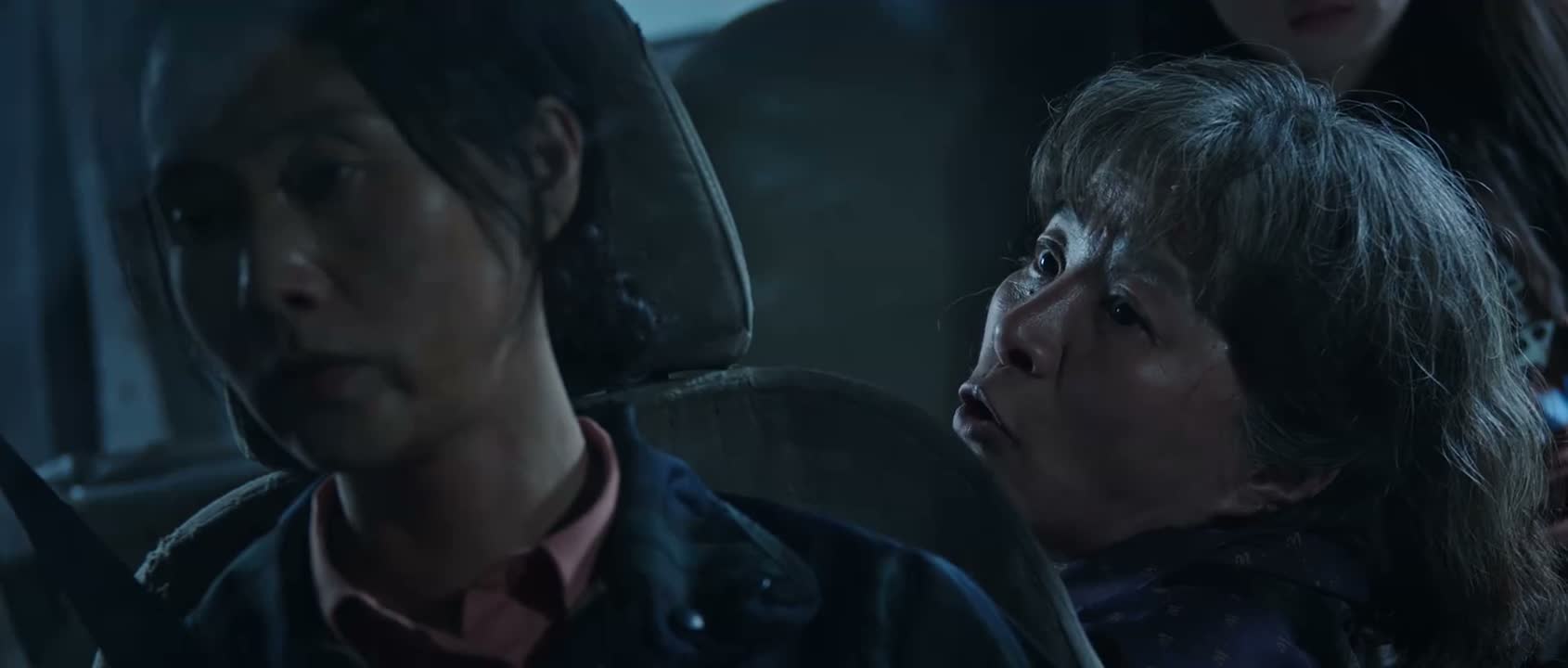
“I'm old. I can't get far.”