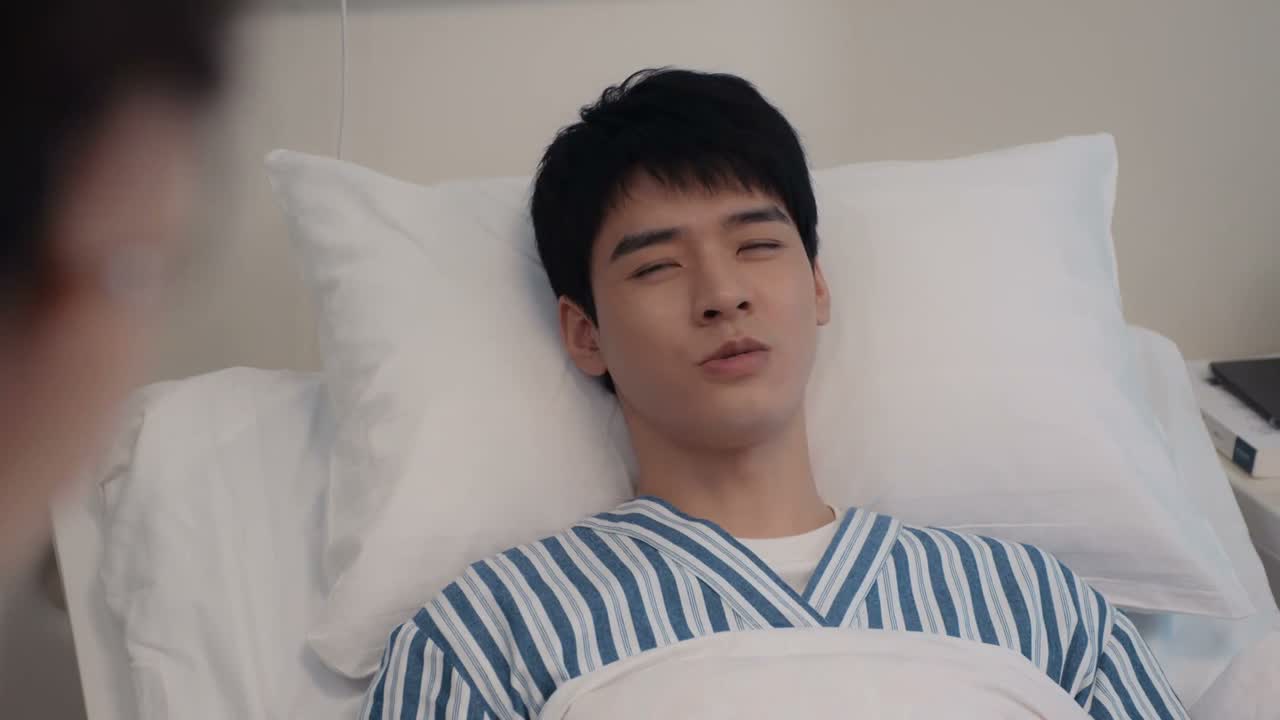
《COURT!》 S1·E17 (41:20)
HSK 7
zì jǐ yǐ jīng bù néng shēng huó zì lǐ le
自己已经不能生活自理了
“They can barely take care of themselves.”
《COURT!》
S1·E17
TIMECODE: 41:20
·
1080P MASTER AUDIO
THE DIALOGUE REEL
[-1] PREVIOUS TURN
nǐ shuō wǒ jiù bù míng bái le
你说我就不明白了
“I seriously don't get it.”
zì jǐ yǐ jīng bù néng shēng huó zì lǐ le
CURRENT FOCUS
自己 已经 不能生活自理 了
“They can barely take care of themselves.”
[+1] FOLLOW-UP TURN
gàn má fēi yào shēng hái zi ne
“Why on earth do they have to have kids?”
Subtitles synced to millisecond timecode
Browse Show Clips →
Scene:
Family & Home
Function:
EXPRESSING DISAPPROVAL
Tone:
CRITICAL
Emotion:
FRUSTRATION
WHAT THEY REALLY MEAN (PRAGMATIC SUBTEXT)
“They can't even look after themselves, so having a baby is completely irresponsible.”
💡 Cultural Insight: Pragmatic Parenting and Family Burden
In Chinese family culture, having children when one cannot care for oneself is often viewed critically by relatives, as the caregiving burden inevitably falls on the extended family.
INTENT TAGS:
#criticism
#disapproval
#questioning_choices
#complaining
🧩
1 CHUNKS · 1 PARTICLES
LEARNING CHUNKS & PARTICLES
生活自理
SPOKEN CHUNK
to take care of oneself in daily life; independent living
Often used when discussing the elderly, patients, or people with disabilities regarding basic daily tasks.
Modal Particle「了」 (le)
CHANGE OF STATE
Indicates a change of state, emphasizing that the person has now reached a point where they can no longer care for themselves.
🏮
3 EXPR · 4 GRAMMAR
VOCABULARY & EXPRESSIONS
COLLOQUIAL EXPRESSIONS:
CROSS-CINEMA CORPUS BOARD · PARALLEL SCENES
EXPLORE BY SEMANTIC SIMILARITY
Parallel Spoken Cinema Scenes (语义近邻切片)
《COURT!》 S1·E17 (41:20) · Authentic Cinema Dialogue Corpus