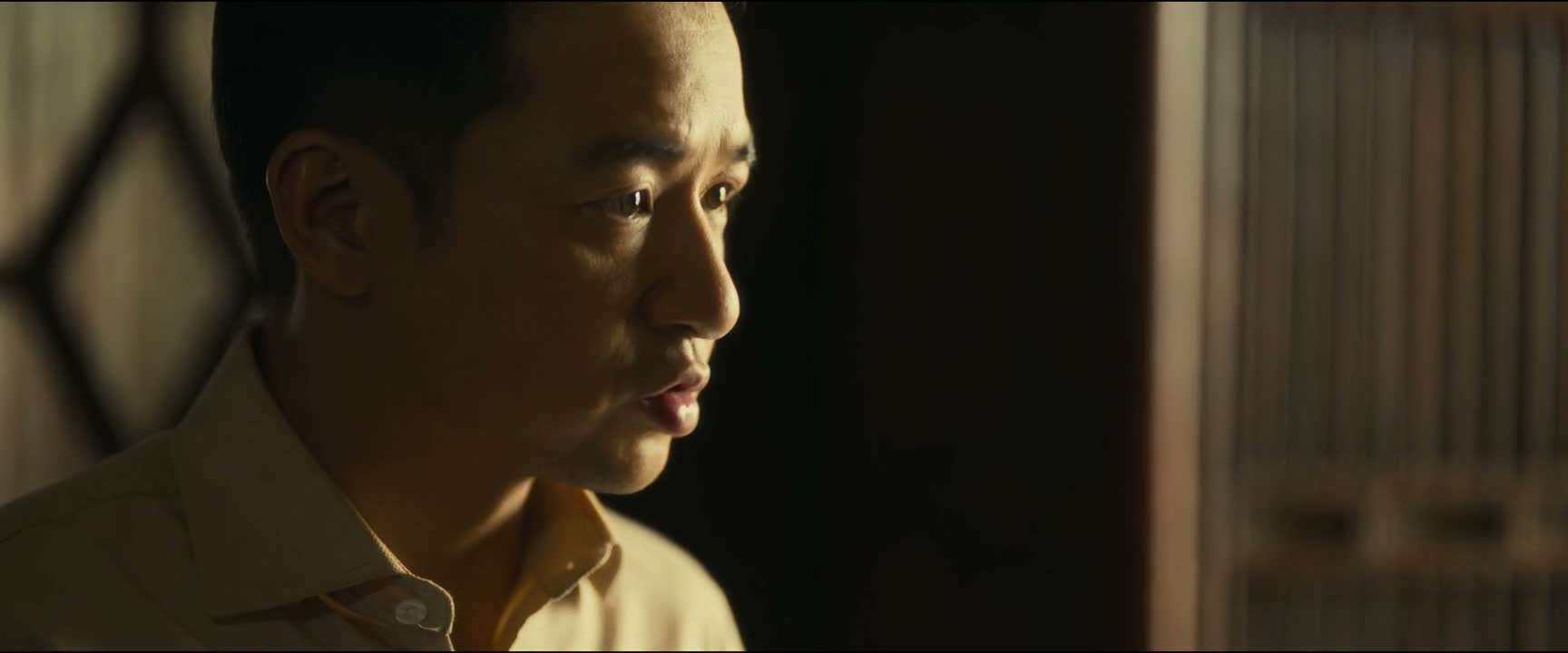
可是贼人逃窜
“but some”
THE DIALOGUE REEL
已将魔贼打退
“The invaders were repelled,”
可是贼人逃窜
“but some”
恐怕还有余党在山中
“may still be in the mountains.”
Direct spoken expression in this communicative setting.
In Chinese military and martial traditions, failing to capture fleeing foes represents a grave tactical failure, as lingering remnants inevitably return to retaliate.
LEARNING CHUNKS & PARTICLES
bandits, villains, or enemies
Often used in historical, martial arts, or dramatic registers to refer to hostile outlaws.
to flee in disorder; to scurry away
A derogatory term used to describe enemies or criminals fleeing in panic.
VOCABULARY & EXPRESSIONS
Parallel Spoken Cinema Scenes (语义近邻切片)
“escape from this den of thieves?”

“Don't let a single criminal escape!”

“fall into the villains' hands.”

“deserters are to be beheaded.”

“These people are very sly. They had run off long ago.”

“Nothing was stolen.”