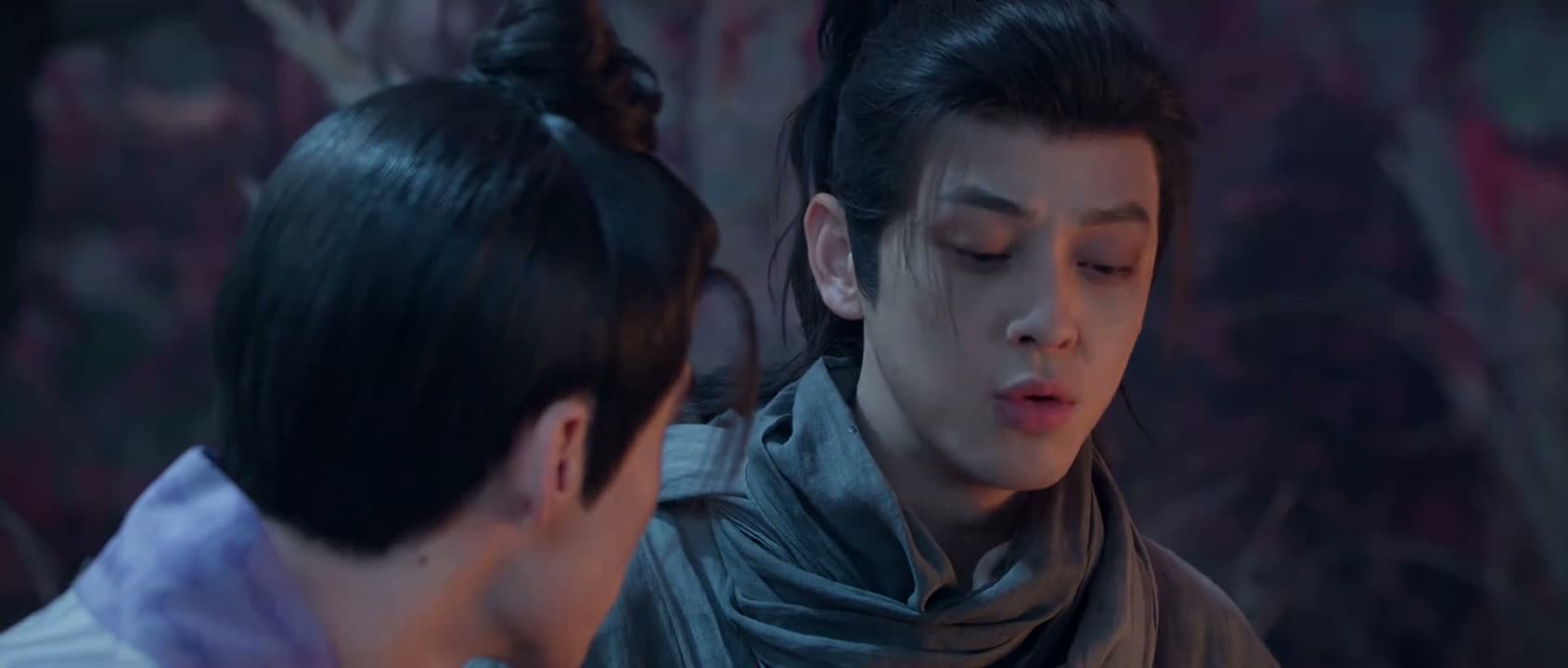
燕少帅 长风是绝对不会丢下主人 独自逃生的
“Commander Yan, in no case would Changfeng abandon its master and escape alone.”
THE DIALOGUE REEL
它身上有伤
“It's wounded.”
燕少帅 长风是 绝对不会 丢下 主人 独自逃生的
“Commander Yan, in no case would Changfeng abandon its master and escape alone.”
太子肯定是出事了
“His Highness must be in danger!”
“Since this loyal creature fled alone, our master is in mortal peril—we must act now!”
In Chinese heroic narratives, steeds and hounds often embody supreme fidelity (义), serving as moral mirrors and reliable barometers of their master's fate.
LEARNING CHUNKS & PARTICLES
definitely will not; absolutely won't
Use to express absolute certainty and conviction when refuting a hypothesis.
to leave behind; to abandon
A common colloquial verb used for abandoning people, animals, or responsibilities.
to flee for one's own life alone
Literary and dramatic chunk describing someone running away solely for self-preservation.
Placed sentence-finally to strengthen assertive conviction and certainty in the deduction.
VOCABULARY & EXPRESSIONS
Parallel Spoken Cinema Scenes (语义近邻切片)

“with me as the heir gaining so much attention,”

“then Yan Li is actually His Majesty's own son, right?”

“I'm afraid it could damage the reputation of the Young Marshal of the Shuoxi Army.”

“After Yan Che escaped, what if he tries to make a comeback?”

“The Young Marshal of Shuoxi Army is quite smart.”
“Mr. Song has done us a kindness.”