那燕彻逃走后 若试图东山再起呢
“After Yan Che escaped, what if he tries to make a comeback?”
THE DIALOGUE REEL
可怜可叹啊
“How pitiful and tragic.”
那燕彻 逃走 后 若试图 东山再起 呢
“After Yan Che escaped, what if he tries to make a comeback?”
若真如你我猜测的那样
“If our suspicions are correct,”
“Are we sure this won't blow up in our faces if he rallies an army?”
Chinese political philosophy often warns against leaving an enemy alive, as allowing them a chance to 'stage a comeback' (东山再起) typically leads to disastrous retaliation.
LEARNING CHUNKS & PARTICLES
to stage a comeback; to regain lost power
A classic four-character idiom (chengyu) used when someone regains power or status after a severe downfall.
to flee; to escape
Common compound used to describe fleeing danger or running away from captivity.
Marks an open, speculative question pondering a potential future risk or scenario.
VOCABULARY & EXPRESSIONS
Parallel Spoken Cinema Scenes (语义近邻切片)

“then Yan Che was deliberately allowed to escape by His Majesty.”

“then Yan Li is actually His Majesty's own son, right?”
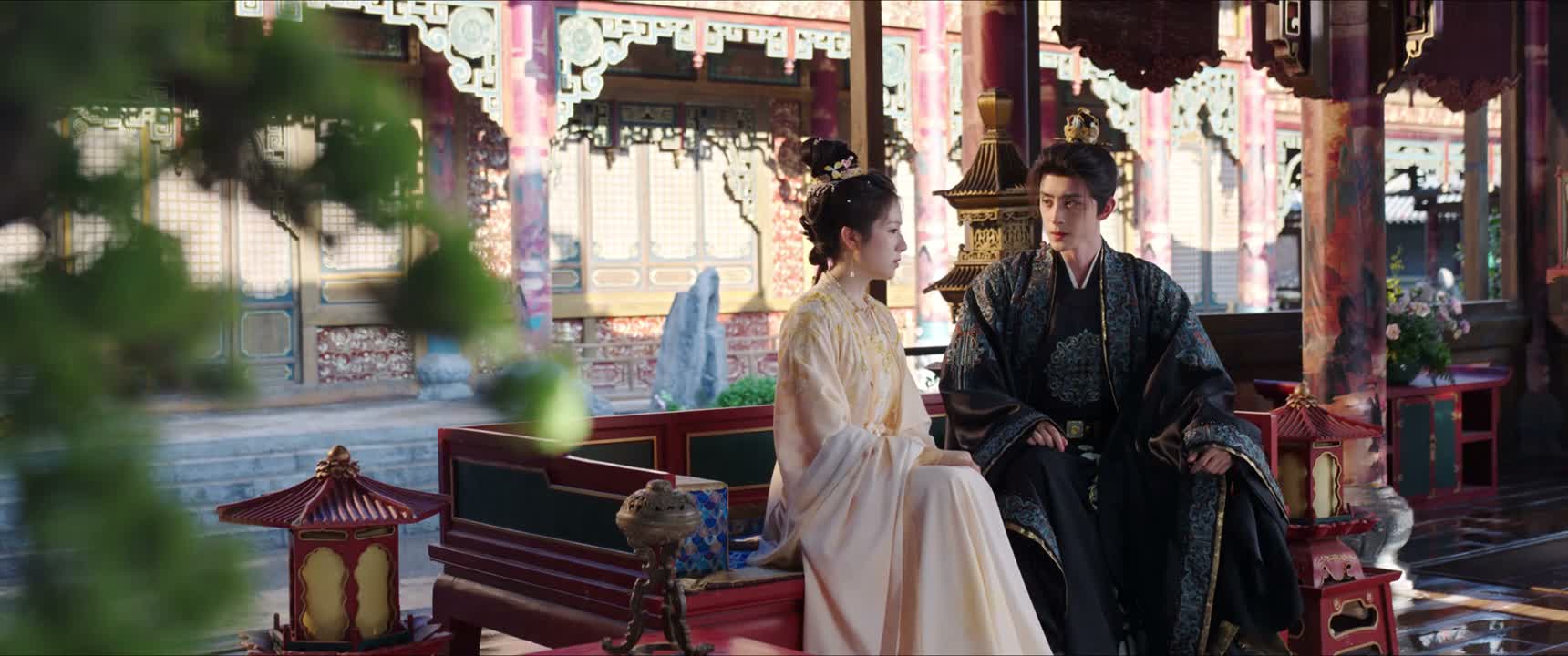
“that His Majesty acts so coldly towards Yan Che.”

“I must not drag you and Yan Li into danger again.”

“So, Yan Li is just an honorary heir of a prince.”

“I could finally hold my head up in front of Yan.”