那燕彻 就是圣上故意放走的
“then Yan Che was deliberately allowed to escape by His Majesty.”
THE DIALOGUE REEL
若真如你我猜测的那样
“If our suspicions are correct,”
那燕彻 就是 圣上 故意 放走 的
“then Yan Che was deliberately allowed to escape by His Majesty.”
“I just hope he doesn't fall into Prince Cheng's hands,”
“The Emperor planned this whole escape as a pawn move in his game.”
In imperial Chinese political discourse, emperors rarely act out of mercy; apparent blunders or releases are often calculated gambits to pit rivals against each other.
LEARNING CHUNKS & PARTICLES
deliberately; intentionally
Use this adverb to emphasize that an action was planned rather than accidental.
to let go; to release; to allow to escape
A common verb-result compound describing letting someone or something flee or leave.
VOCABULARY & EXPRESSIONS
Parallel Spoken Cinema Scenes (语义近邻切片)

“After Yan Che escaped, what if he tries to make a comeback?”
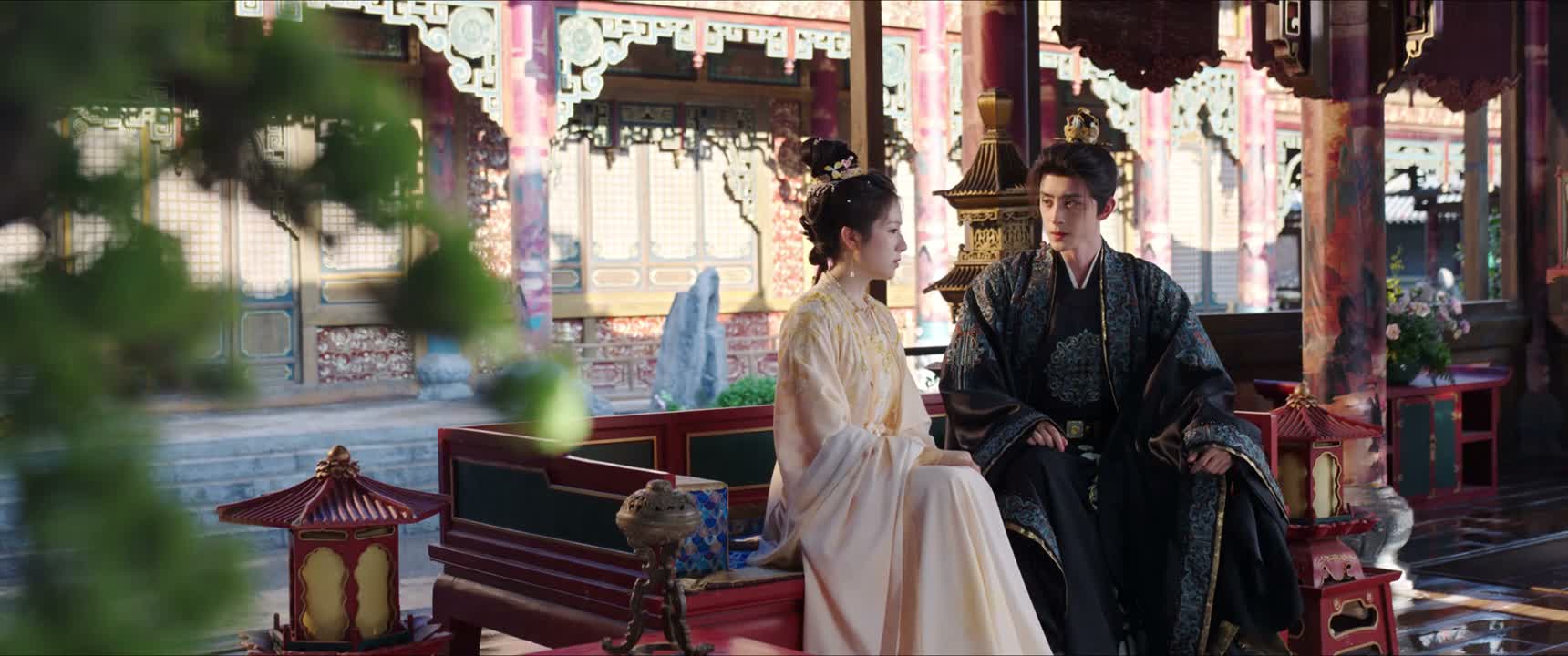
“that His Majesty acts so coldly towards Yan Che.”

“then Yan Li is actually His Majesty's own son, right?”

“So, Yan Li is just an honorary heir of a prince.”

“the Empress was very pleased to hear that the commoner Yan Qi is dead.”

“Could you ask Ms. Sun to include me?”