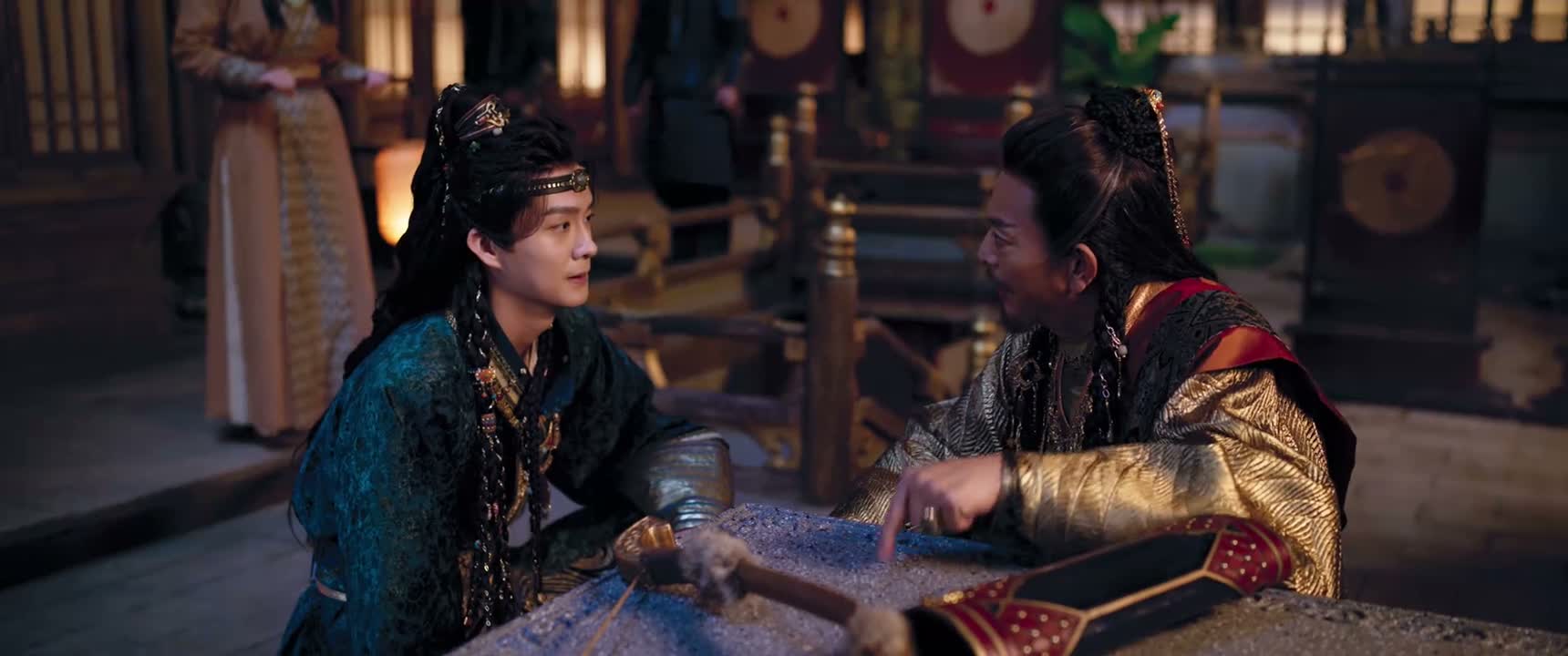
不要再哄骗本宫了
“stop trying to deceive me.”
THE DIALOGUE REEL
你们二人
“You two,”
不要再 哄骗 本宫了
“stop trying to deceive me.”
茼蒿
“Tonghao,”
“Stop lying to comfort me; I already know the terrible truth.”
In court culture, royal consorts avoided regular personal pronouns like 'wo' to enforce institutional hierarchy and boundary.
LEARNING CHUNKS & PARTICLES
to coax and deceive; to fool with sweet talk
Describes using gentle, misleading lies to placate or trick someone.
I; me (used exclusively by high-ranking imperial consorts)
An imperial first-person pronoun asserting authority and royal status in historical dramas.
Indicates a demand for the cessation of an ongoing action ('stop doing it').
VOCABULARY & EXPRESSIONS
Parallel Spoken Cinema Scenes (语义近邻切片)

“then do not come looking for me again.”

“please don't lie to me.”

“don't try to comfort me.”

“Win her back.”

“if you hadn't let him fool you,”
“you must not create further trouble.”