这…这回还让人给打了
“This time… she got beaten.”
THE DIALOGUE REEL
可是 她回来没几天 她又跑了
“But… after a few days, she ran off again.”
这…这回还 让人给打了
“This time… she got beaten.”
领回来没几天 她又跑了
“We'd bring her back, and she'd flee once more.”
Direct spoken expression in this communicative setting.
In spoken Chinese, passive constructions with '给' typically denote undesirable, harmful, or unfortunate experiences suffered by the subject.
LEARNING CHUNKS & PARTICLES
got beaten up by someone
Classic spoken passive construction using '让...给' to express an unfortunate event happening to someone.
on top of that, this time...
Used to add an aggravating piece of information to an already bad situation.
Indicates completion of the event and a change of state to being injured.
VOCABULARY & EXPRESSIONS
Parallel Spoken Cinema Scenes (语义近邻切片)

“I can't believe we're back here again.”

“You already promised her.”

“I'm saying it now. Finish this round.”

“You've come out 5 times already.”
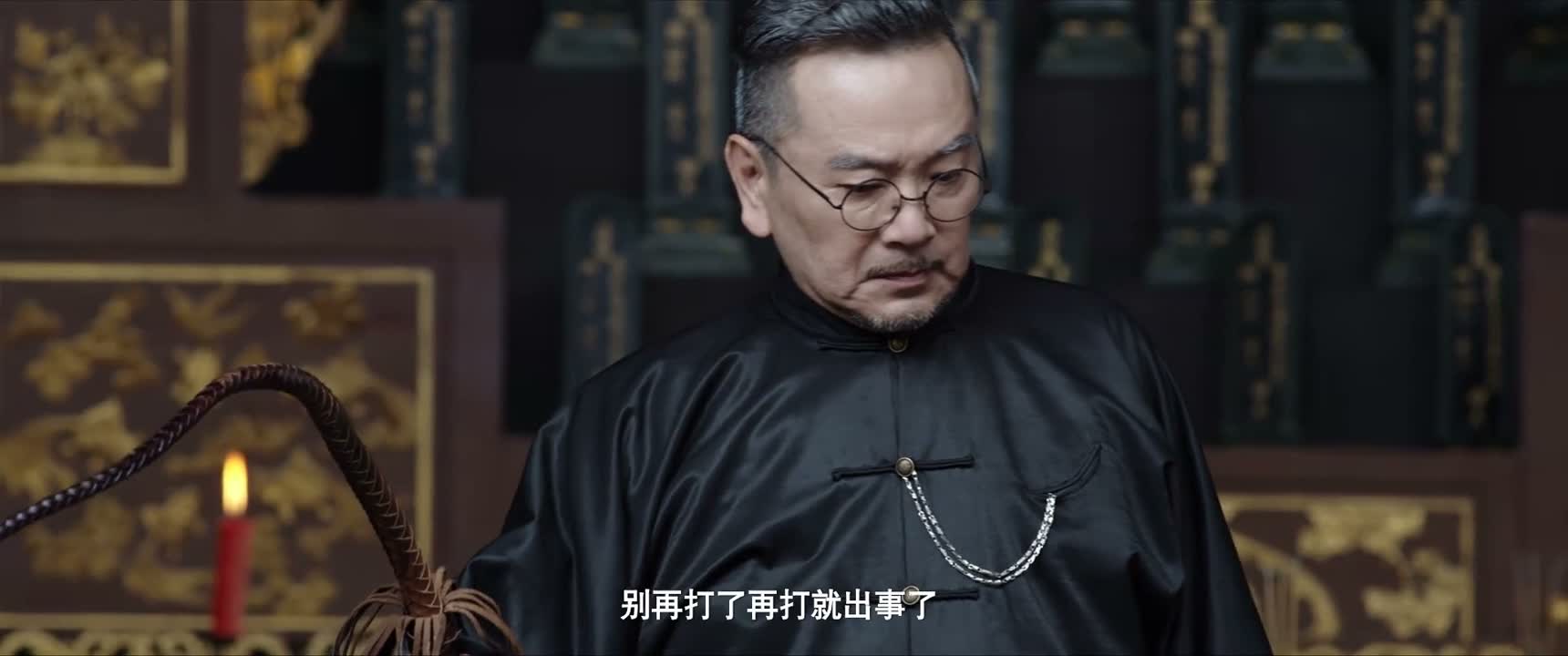
“Stop hitting him! Any more and there'll be trouble!”

“What? You wanna hit someone?”