《Go Ahead》 S1·E27 (14:29)
HSK 4
bú shì bú shì nǐ men dào dǐ yǒu méi yǒu tīng wǒ shuō huà
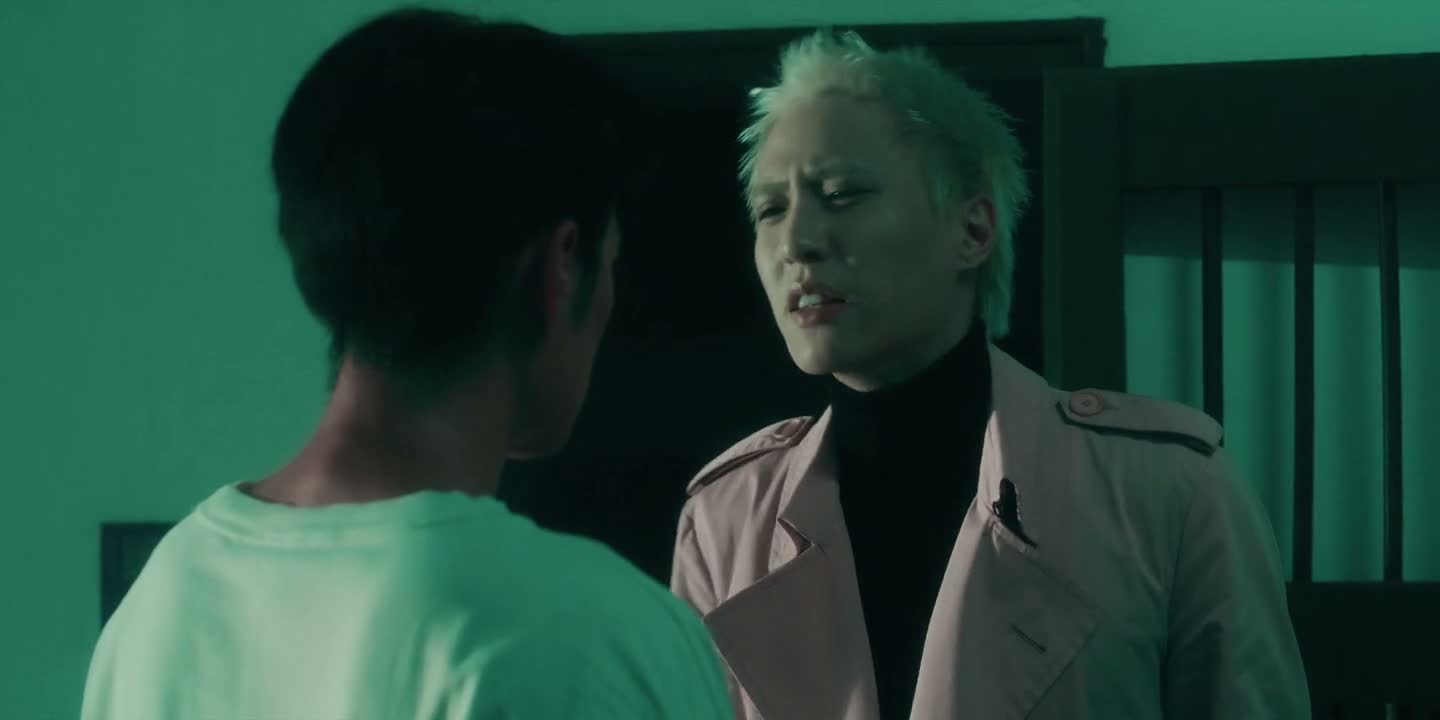
不是不是 你们到底 有没有听我说话
“Well... did you hear what I said?”
《Go Ahead》
S1·E27
TIMECODE: 14:29
·
1080P MASTER AUDIO
THE DIALOGUE REEL
[-1] PREVIOUS TURN
wǒ xiàn zài gěi nǐ zhuǎn a
我现在给你转啊
“I'm transferring the money to you now.”
bú shì bú shì nǐ men dào dǐ yǒu méi yǒu tīng wǒ shuō huà
CURRENT FOCUS
不是不是 你们 到底 有没有听我说话
“Well... did you hear what I said?”
[+1] FOLLOW-UP TURN
kàn lái nǐ men zhēn shì bù zhī dào zhè xuān chuán de zhòng yào xìng
“Looks like you don't know the importance of promotion.”
Subtitles synced to millisecond timecode
Browse Show Clips →
Scene:
Workplace
Function:
DEMANDING ATTENTION
Tone:
EXASPERATED
Emotion:
FRUSTRATION
WHAT THEY REALLY MEAN (PRAGMATIC SUBTEXT)
“Pay attention to me, what I am saying is critical!”
💡 Cultural Insight: Conversational Interruption
Repeating '不是不是' is a very common informal discourse marker to halt the conversation flow and pivot focus back to the speaker's urgency.
INTENT TAGS:
#demanding_attention
#expressing_frustration
#calling_out
#regaining_control
🧩
2 CHUNKS · 0 PARTICLES
LEARNING CHUNKS & PARTICLES
到底
SPOKEN CHUNK
on earth; after all
Use this adverb in questions to intensify exasperation or demand a definitive answer.
听我说话
SPOKEN CHUNK
listen to me speak
A common everyday collocation used when demanding someone's active attention.
🏮
3 EXPR · 0 GRAMMAR
VOCABULARY & EXPRESSIONS
COLLOQUIAL EXPRESSIONS:
CROSS-CINEMA CORPUS BOARD · PARALLEL SCENES
EXPLORE BY SEMANTIC SIMILARITY
Parallel Spoken Cinema Scenes (语义近邻切片)


《Go Ahead》 S1·E27 (14:29) · Authentic Cinema Dialogue Corpus